
Guided vs Silent Meditation: Which Is Best for Beginners?
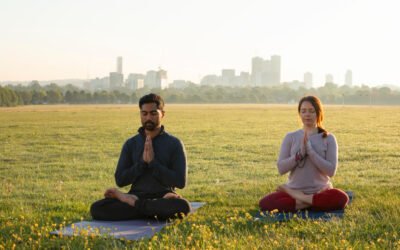
Guided vs Silent Meditation is gaining popularity and attention, as it is known to benefit a person mentally, emotionally and physically. While we do agree about the benefits meditation offers, there is often a struggle, particularly with beginners, in deciding whether to do guided or silent meditation. Each style offers unique benefits, with different approaches that cater to various preferences and personalities. In this article, I’ll explain the key differences between guided and silent meditation. This guide will help you choose the best meditation style to support your beginner practice. Also Read: Tarot for Self-Love and Relationship Clarity Understanding Guided Meditation Guided meditation occurs when a narrator or teacher leads you through the meditation either an application or live sessions. During guided sessions, instructors use breathing cues, visualization, and mindfulness techniques to help you stay focused at each step. Benefits of Guided Meditation Structured Approach: Guided meditation follows a well-thought-out, step-by-step sequence that works well for beginners. Supportive Guided Environment: During a guided meditation, you start the self-exploration journey which helps to ease the fear of being alone and unsupported. Beginner-Friendly Techniques: Guided sessions often include visual imagery, body scans, and affirmations—techniques that make meditation easier for beginners. Reduced Distractions: The narrator’s voice serves as an anchor, helping you refocus when your mind wanders and minimizing distractions. Silent Meditation Explained Unlike guided meditation, silent meditation involves no teacher or narration. It encourages you to sit quietly, focus on your breath, and observe your thoughts and bodily sensations. Mindfulness, transcendental, and Zen meditation are also forms of silent or unguided meditation. Benefits of Silent Meditation Self-Discovery: Without external guidance, silent meditation...
Combining Tarot and Meditation for Aura Cleansing
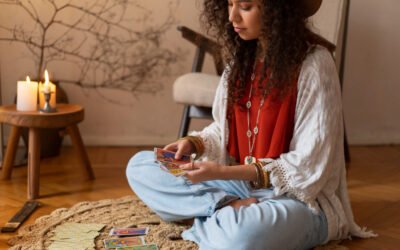
Combining Tarot and meditation forms a clear-line practice for lighting up the aura and pressing play on emotional honesty. By using the cards as a mirror for the mind and then entering a quiet meditative space, we illuminate and dissolve the stagnant energies that tend to accumulate in the subtle field surrounding us. This article outlines the steps for an integrated journey that unites focused contemplation with intuitive symbolism. Also Read: Aura Cleansing with Crystals: Top Stones and Uses Understanding Aura Cleansing Aura cleansing, at its heart, is the gentle release of congested energies that inhibit our natural brightness. When we deliberately clear this field, we become lighter, more balanced, and more capable of hearing our innermost directives. Practitioners can choose from a spectrum of methods, including breathwork, crystals, and herbal smoke. All share the fundamental rhythm of letting go and inviting in, but when merged with mindfulness and Tarot imagery, the benefits are amplified. The meditation becomes a domestic threshold, and the cards present, in vivid color, the specific, stubborn energies that linger. The Role of Tarot in Spiritual Practices The Tarot is not merely a popular oracle; it is an articulate structure for self-awareness. Each suit, archetype, and subtle illustration translates an emotional or spiritual code, and these codes become cooperation partners on the cleansing journey. A major arcana card, for instance, may herald an unacknowledged fear clinging to the field. While a gentle court card might show which inner voice could guide its release. By letting one or two cards reveal the present state, then inviting the breath to deepen and soften, the reading turns from forecast...

Bedtime Meditations for Better Sleep
Introduction on Bedtime Meditations for Better Sleep Falling asleep isn’t always easy, Stress and Overthinking. Distractions that don’t quit—even at night. Bedtime Meditations step in here, providing a natural way to calm your mind and settle your body. No tricks, only calm concentration. These habits help to calm the mind and reduce worry. They help your thinking slow down. What was the result? A more relaxed approach to sleep and a sense of ease as you prepare to rest. Powerful and simple. Also Read: How Meditation clears Negative Energies Away? Setting the Stage Start by setting the tone. Dim the lights. Adjust the temperature till the space is comfortable. Turn off electronics or seek for earphones to silence the noise. Put on something soft. Create a space only for you and a place to sit or lie down without interruption. Preparing Your Mind Notice your thoughts and feelings as they come. No judgment. Minds get busy, especially before sleep. Don’t fight the thoughts. Watch them float by. Let them go. Deep breaths help anchor you. Inhale through your nose. Hold it. Exhale through your mouth. Slow everything down. Repeat. This settles your body and your mind. Guided Bedtime Meditations Guided meditation comes in many forms. Body scans draw your focus to each part of your body one by one, helping you let go of tension. Visualizations help, too—imagine a quiet beach or a peaceful forest. Use your mind to wander somewhere soothing. Loving-kindness meditation sends good thoughts to yourself and others. It builds compassion. It builds peace. Techniques for Deepening Relaxation Progressive muscle relaxation, step by step. Tense your toes and...
Meditation for Children: Fun and Safe Practices
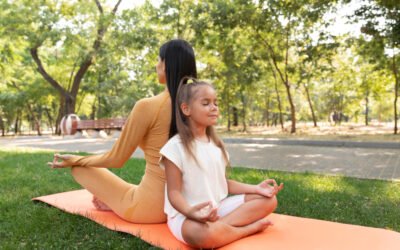
Introduction: Meditation for Children Meditation for Children isn’t just for grown-ups in yoga pants. Kids, too, face a storm of emotions. Think of meditation as giving your child an anchor a steadying tool for stress and those big, wild feelings. It helps them pause. It builds focus. Over time, it nurtures self-awareness and teaches kids how to respond, not just react. A simple practice, done regularly, can shape the way children see themselves and the world. In short: meditation is a practical skill for emotional balance. Also Read: Easy Hairstyles That Instantly Glam Up Your Everyday Look Age-Appropriate Techniques For Younger Children (Ages 3-7) Start light. Keep it playful. Use story-driven guided meditations—maybe a trip to a magical garden or a stroll with a favorite animal. The familiar comforts work. Try breath awareness: have them watch a stuffed toy rise and fall with each breath. It’s concrete. Short bursts work best—think five to ten minutes. Make it a game: “belly breathing” lets them place a soft toy on their belly and notice the gentle lift each time they inhale. Suddenly, breathing is fun. For Older Children (Ages 8-12) When they’re ready, layer in more structure. Introduce mindful movement—yoga stretches or simple tai chi. Physical activity keeps attention grounded. Encourage them to pay attention to thoughts and feelings, without judgment. Guided meditations can tackle specific challenges, like handling nerves before a test. Stretch the time a bit—maybe ten to fifteen minutes. Teach simple tools: counting breaths or repeating affirmations. Give self-talk a positive frame. Creating a Supportive Environment on Meditation for Children Find a quiet, cozy spot—no distractions, low light,...
Using Tarot for Stress and Anxiety Management
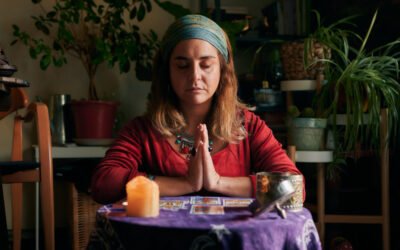
Coping Strategies for Stress and Anxiety Tarot cards are more than tools for divination; they’re also weapons for stress and anxiety! But beyond folly predictions of the future, tarot provides a special medium to help you unpack the world within yourself, whether you are searching for clarity or to build coping mechanisms. This practice isn’t about foreshadowing; it’s about cards reflecting back to you where you are and seeking guidance in engaging negative emotions. Relationship between Stress and Anxiety The reason we might experience stress and anxiety, is because our inner beings become disconnected from the outer world. Tarot assists in shrinking this margin through contemplation. There is a significant amount of meaning that can be found in each card of a tarot deck, each of which symbolizes something that can be applied to human life. As you draw cards, it's a sort of subconscious reminder to start sifting through the imagery and themes presented so that you can compare them to the stress and anxiety that's filed deep in your mental folders. For example, pulling the Five of Swords may indicate a battle or defeat, and it is up to you to contemplate the exact circumstances that are making you feel these emotions. Using Tarot for Emotional Well-being, Step by Step The first step is to “create an intention. Before you shuffle the cards, pause for a few deep breaths and concentrate on what you’d like to explore. Are you feeling overworked? Anxious about a relationship? Be specific. Then, select a spread — a preset pattern of cards. One- or three-card readings are great for simple spreads Easy spreads, such as one-card or three-card readings, are ideal for beginners. As you spread the...