

Healthy Skin Foods for Kids: Five Foods to Add to Their Diet
We all want our children to have healthy, glowing skin. Skincare, however, is more than simple creams and lotions; it starts within. Whatever your child eats will directly affect how their skin looks and feels. When kids eat the proper foods, their skin will become soft, clear, and naturally radiant. That is why including healthy food in their diet is one of the best ways to ensure their overall health. In this blog, we will explore the connection between nutrition and healthy skin and share the top 5 healthy skin foods you should add to your kids' diet. Also Read: Baby Foods for Brain Development Why Nutritious Foods Are Important for Healthy Skin in Kids Healthy skin in children depends on proper nutrition. When children receive adequate amounts of vitamins, minerals, and antioxidants, their skin is healthy and hydrated. On the other hand, when they are fed a diet high in sugary foods or fast food, their skin becomes pale, dehydrated, or acne-prone. Besides, a healthy diet helps strengthen the immune system, which protects the skin from constant irritants such as rashes and infections. Therefore, what your child eats daily plays a vital role in keeping their skin glowing. 5 Healthy Skin Foods for Kids to Add to Their Daily Diet Berries – rich in antioxidants Berries such as strawberries, blueberries, and raspberries are full of antioxidants and vitamin C. These substances help counteract the harmful effects of free radicals and enhance collagen synthesis. Your child's complexion looks radiant and even as a result. You can easily add berries to their breakfast cereal, yogurt, or smoothies. This easy step...

11-12-Month Baby Meal Guide: What to Feed from Morning to Night
11-12-Month Baby Meal Guide: What to Feed from Morning to Night Introduction of 11-12-Month Baby Meal As your child's first birthday approaches, mealtimes become more fascinating and varied. By the time they are 11-12-Month Baby Meal, infants can start feeding themselves and enjoy most family foods in soft, manageable forms. This guide provides a helpful daily eating plan with breakfast, snack, lunch, and dinner ideas tailored to their growing needs. A balanced diet that includes grains, fruits, vegetables, dairy, and proteins will encourage healthy growth and wholesome eating habits. This simple, healthy routine will facilitate your baby's exploration of new tastes and textures while facilitating a smooth transition to toddler meals. Additionally, it will make feeding enjoyable and stress-free. Also Read: Myths that Relate to Breast Feeding Morning Breakfast (7:00-8:00 AM) Begin with breakfast. Nutritious choices matter most in the morning. Try iron-fortified cereal mixed with whole milk or formula. Give it some texture—soft, never chunky. Oatmeal works too. Mash in some fruit—berries or peaches. More nutrients, more fiber. Keep it easy for your baby to eat. Mid-Morning Snack for 11-12-Month Baby Meal (9:30-10:00 AM) Mid-morning snack time. Your baby’s energy dips if you skip this. Go for a small serving of yogurt and add soft fruit pieces—banana or melon. Or try soft-cooked veggies. Steamed broccoli or carrot sticks are simple wins. Another option? One small whole-grain cracker. Afternoon Lunch (12:00-1:00 PM) Lunch is about balance. Protein is your anchor. Finely minced chicken, flaky fish with bones removed, or beans. Add cooked, bite-sized vegetables—peas, diced sweet potato, green beans. Carbs finish the meal: cooked pasta, soft bread, or rice....
9-10-Month Baby Meal Guide: What to Feed from Morning to Night
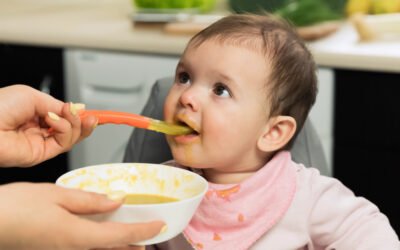
Introduction of 9-10-Month Baby Meal Between the ages of 9-10-Month Baby Meal, your baby is ready to sample a variety of flavors and textures. And the introduction of solid foods is a thrilling turning point. A well-planned daily meal plan ensures proper nourishment and healthy habits. This guide offers useful recommendations for feeding your baby based on their developmental stage for breakfast, snacks, lunch, and dinner. Mashed meals, soft finger foods, and safe spices or herbs can help meet nutritional needs and encourage self-feeding. Use this simple technique to maintain stress-free, healthy, and pleasurable mealtimes as your child grows and develops. Also Read: Baby Foods for Brain Development Morning Breakfast (7:00-8:00 AM) Start the morning strong. A nutritious breakfast sets the tone for your baby’s day. Iron-fortified cereal is a solid choice—mix it with breast milk or formula for familiar comfort. Want a boost? Add a small spoonful of mashed banana or avocado. That’s nutrients and healthy fats, right from the start. Smooth consistency is crucial. It keeps things safe—no choking worries. Mid-Morning Snack for 9-10-Month Baby Meal (9:30-10:00 AM) Mid-morning calls for a snack. Babies get hungry, fast. Offer a spoonful of plain yogurt, some soft-cooked veggies like carrots or sweet potatoes, or tiny bites of soft fruit—a peach or pear works well. Pieces should stay small. Easy to pick up, easy to eat. Afternoon Lunch (12:00-1:00 PM) Lunch is a bigger deal. Give your baby balance—protein first. Pureed chicken, fish, or lentils all work. Add some cooked, mashed veggies—think peas, green beans, or spinach. Top it off with a bit of complex carbs, like soft rice or...

7-8-Month Baby Meal Guide: What to Feed from Morning to Night
7-8-Month Baby Meal Guide: What to Feed from Morning to Night Introduction of 7-8-Month Baby Meal Guide At 7-8-Month Baby Meal Guide, food variety opens up. Your baby is ready for more tastes and textures. This plan introduces solids while covering their nutrient needs. Talk to your pediatrician before big changes. Also Read: Common Baby Food Allergies and How to Identify Them Early Breakfast (7:00 AM - 8:00 AM) Begin the day with breakfast that nourishes and satisfies. Option 1: Oatmeal with Fruit: Cook oatmeal using breast milk or formula. Mash in banana or a few soft, cooked berries for sweetness and nutrition. Option 2: Yogurt with Fruit and Cereal: Mix plain, full-fat yogurt (if approved), baby cereal, and mashed fruit like peaches or pears. A soft, creamy blend. Quantity: Serve 1/4 to 1/2 cup of either breakfast option. Mid-Morning Snack (9:30 AM - 10:00 AM) Add a snack to carry your baby from breakfast to lunch. Option 1: Veggie Sticks: Offer soft-cooked sticks of carrot or sweet potato. Ensure they’re very soft safety comes first. Option 2: Fruit Puree: A smaller portion—2-3 tablespoons—of pureed fruit such as applesauce or mango. Simple. Tasty. Quantity: Offer 2-4 tablespoons of chosen fruit or vegetable. Lunch for 7-8-Month Baby Meal (12:00 PM - 1:00 PM) Lunch combines vegetables, protein, and grains. A balanced plate. Real food. Option 1: Vegetable and Chicken Puree: Mix pureed chicken with cooked vegetables like peas, green beans, or carrots. Everything blended together. Option 2: Lentil Soup: Serve a small bowl of soft, well-cooked lentil soup. Make sure the lentils are smooth and easy to swallow. Quantity: Serve...
6-Month Baby Meal Guide: What to Feed from Morning to Night
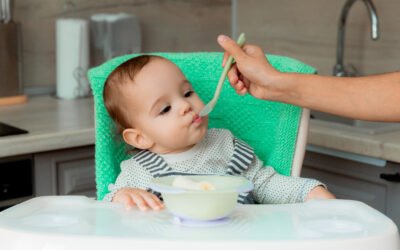
6-Month Baby Meal Guide: What to Feed from Morning to Night Introduction to 6-Month Baby Meal Guide At 6-Month Baby Meal Guide, your baby is ready to take an exciting journey into the world of solid meals. This shift is a crucial period in their development, and their growth and wellbeing depend on a well-planned diet. This all-inclusive diet plan provides a guide to help you include a variety of foods that are high in nutrients. The goal of this diet is to ensure that your baby receives the nutrients needed for healthy growth in a well-rounded manner. Remember that every baby is unique, so pay attention to their cues and adjust your strategy accordingly. Also Read: Newborn Immunity and Health: Tips to Keep Your Baby Safe Early in the Morning (6:00 AM - 7:00 AM): Breast Milk or Formula Act now: Use breast milk or formula to start the day. At this stage, it is the main source of nutrition. essential. Details: Give your infant 6–8 ounces of formula or breastfeed them until they signal that they are done. This first meal replenishes nutrients lost over the night. It also affects the mood of the day. An Overview of Solids in the Midmorning (9:00–10:00 AM) Take action: Move on to the first substantial meal, emphasizing dishes that only contain one ingredient. Details: Combine formula or breast milk with 2-4 teaspoons of iron-fortified cereal to make swallowing easier. Try pureed fruits like avocado or banana, or vegetables like sweet potatoes or carrots. Its texture should be smooth, safe, and mild. During the 6-Month Baby Meal Guide, breast milk or...

Newborn Immunity and Health: Tips to Keep Your Baby Safe
Newborn Immunity and Health Having a baby is fun, but it also demands responsibility. Perhaps one of the most important concepts in newborn care is understanding and nurturing its immune system. Newborns have immature immune systems so they are prone to infections. This article includes some crucial pieces of advice to help keep your baby safe and healthy. Understanding Newborn Immunity Newborns are still learning to build their immune systems. Some immunity is transferred from the mother during pregnancy, by and large through the placenta. This passive immunity protects against certain infections for the first few months of life. But this immunization is only temporary, and the baby’s immune system must learn to produce antibodies on its own. Newborns are particularly at risk because they have not had the chance to be exposed to a lot of pathogens, and because their bodies have yet to fine-tune the object-specific mechanisms by which they combat infections. Breastfeeding for Newborn Immunity Breast milk is an immune-boosting powerhouse. It has antibodies, white blood cells and other immune factors that protect the baby from infection. Breastfeeding imparts passive immunity over and above the transfer of antibodies in utero. Exclusive breastfeeding for the first six month is recommended by the World Health Organization. Breast milk can adjust to the baby's requirements and composition can change depending on the environment to protect against infection. Vaccination is Key Vaccination are important for protecting newborns and infants from dangerous illnesses. Vaccines contain a weakened or inactive version of a disease causing agent that make the baby’s immune system produce antibodies without the baby actually experiencing the illness. It is important that the vaccine schedule be adhered to. Vaccines prevent diseases such as measles, mumps, rubella, whooping...

Food Allergies: Safe Introduction for Your Baby
Food Allergies can be a serious when your baby begins eating solid food, so it's important to manage them to protect your child's health and well-being. By gradually introducing common allergenic foods, you can identify potential allergies early and may even lower the risk of them developing long-term food allergies. Recognizing Common Food Allergies Certain foods can trigger allergic reactions in infants. Additionally, It is essential to introduce these foods gradually and monitor for any indications of an allergic reaction. Cow's milk Eggs Peanuts Tree nuts Fish Shellfish Wheat Soy Sesame Keep in mind that while some infants develop allergies to these foods, others do not. Experts recommend introducing solid food when your baby is around six months old. Timing the Introduction of Allergenic Foods Experts advise introducing solid foods to infants around six months of age. Delaying the introduction can increase the risk of allergies. Experts recommend presenting common allergens to your child before they reach one year of age, ideally starting around six months. Strategies for Introducing Allergenic Foods Safely When introducing a new food, especially an allergen, offer it over 3 to 5 days. Start by giving your baby just a tiny taste any allergy responses. If everything seems okay, you may slowly increase the serving size. For example, even a small spoon tip is enough, such as 1/4 tablespoon, and observe your baby for anything unusual of allergies. Monitoring for Reactions Moniter your baby closely after introducing a new food. Watch for symptoms such as rash, facial or lip swelling, vomiting, or change in behavior. If any of the symptoms appear, stop giving the new...

Why Organic Baby Food Is Gaining Ground in India
Organic baby food in India is rapidly gaining attention among modern parents. With rising awareness of food safety and child nutrition, families are choosing cleaner more natural replacements. Consequently, this trend reflects a major shift in parenting choices. Gone are days when a packaged food filled with additives was the only option. Parents today are looking for baby food that's not only free from harmful chemicals but also packed with genuine nutrition. This blog explores the growing popularity of organic baby food in India, highlighting its benefit and explaining why it's become a go to option for young families. Why Organic Baby Food in India Matters Organic baby food in India is more than a lifestyle choice. It's a movement led by health-conscious parents who want only the safest start for their children. Unlike normal products, organic options are made from ingredients grown without synthetic pesticides or preservatives. This means fewer chemicals and their babies delicate system, promoting better growth, digestion, and immunity. Moreover, as awareness grows parents across both urban and semi-urban regions are actively seeking healthier food solutions for their infants. Benefits of Organic Baby food in India Organic baby food provide multiple advantages. Therefore, it a wise choice for today's parents. Health and Nutrition Organic produces richer in essential vitamins and antioxidants, offering more nutritional value per bite. No Harmful Chemicals In addition, parents can avoid artificial colors, additives, and residue that are common in non-organic alternatives. Gentle on Digestion Moreover, Natural ingredients are easier for baby to digest, bring down chances of bloating, colic, or food intolerance. Builds Strong Immunity Nutrient-dense foods nourish a baby's...

Common Baby Food Allergies and How to Identify Them Early
Common Baby Food Allergies and How to Identify Them Early Introducing solid foods is an exciting milestone, but it’s essential to watch for potential food allergies. Some foods are more likely to trigger allergic reactions, and identifying symptoms early can help ensure your baby’s safety. Most Common Food Allergens in Babies These top 9 allergenic foods are responsible for most food allergies in infants: Milk (cow’s milk and dairy products) Eggs (especially egg whites) Peanuts Tree nuts (almonds, cashews, walnuts) Soy (tofu, soy milk, soy-based formula) Wheat (bread, pasta, cereals) Fish Shellfish (shrimp, crab, lobster) Sesame (sesame seeds, tahini) Tip: The American Academy of Paediatrics now recommends introducing allergens early (around 6 months) to reduce allergy risks, unless your baby has a high risk (family history, eczema, or previous allergic reactions). Signs of a Food Allergy in Babies Watch for these immediate or delayed allergic reactions: Mild Symptoms: Rash or hives (small red bumps) Runny nose, sneezing, or mild coughing Mild stomach discomfort, gas, or diarrhea Severe Symptoms (Requires Immediate Medical Help) Swelling of lips, face, or tongue Vomiting or severe diarrhea Wheezing, trouble breathing, or persistent coughing Pale or blue skin Lethargy or loss of consciousness Tip: Severe allergic reactions (anaphylaxis) require immediate emergency care—call your doctor or emergency services if your baby has difficulty breathing or swelling in the throat. How to Introduce Allergens Safely Follow these steps to reduce the risk of severe reactions: Introduce one allergenic food at a time (wait 3-5 days before introducing another). Start with a small amount (a tiny spoonful or fingertip portion). Offer allergens in the morning or...

Transitioning from Breastfeeding to Solid Foods: A Step-by-Step Guide for New Parents
Tips for starting the solid foods First Foods for Baby Introducing solid foods is a milestone in your baby’s growth and development. The transition from breastfeeding to solids foods should be moderate and based on your baby’s preparedness. So for every parents here is the step-by-step guide that will help to make this transition smoothly and existing while make sure your little one gets the nutrition they need. Here is the guide for transition from breastfeeding to solids foods:- Step 1: Recognizing Signs of Readiness (4-6 Months) Before switch from breastfeeding to solid foods, look for these signs that your baby is ready or not: Baby can sit up with support and hold their head steady. Baby should shows interest in food (watches you eat, reaches for food). Opens mouth when food is offered. Has lost the tongue-thrust reflex. Tip: Most babies are ready for solids around 6 months, but consult your pediatrician before starting. Step 2: Start with Single-Ingredient Purees (6-7 Months) Begin with simple, single-ingredient foods that are easy to digest, such as: Mashed or pureed fruits (banana, apples, pears), Cooked and pureed vegetables (carrots, sweet potatoes, peas), Iron-fortified single-grain baby cereals (mixed with breast milk), Offer 1-2 teaspoons once a day and gradually increase, Introduce one new food at a time, waiting 3-5 days before trying another to watch for allergies, Avoid salt, sugar, honey, and cow’s milk until after 1 year. Use a small, soft-tipped spoon and start with a smooth consistency. Step 3: Gradually Introduce Variety (7-8 Months) Once your baby gets used to purees, introduce more textures and food groups: Mashed or finely chopped...

Superfoods for Babies and Toddlers: Nutritional Benefits and Meal Ideas
Providing your little one with the right nutrition is essential for their growth and development. Superfoods are nutrient-dense foods that support brain development, immunity, and overall health. Here’s a list of the best superfoods for babies and toddlers, along with easy meal ideas. Avocados Benefits: High in healthy fats, supports brain development. Meal Ideas: Mash with banana for a creamy puree. Spread on whole wheat toast for an easy snack. Mix into smoothies for extra creaminess. Bananas Benefits: Rich in potassium and fiber, supports digestion. Meal Ideas: Mash with yogurt for a simple dessert. Slice and freeze for a refreshing snack. Blend with oats and milk for a nutritious smoothie. Sweet Potatoes Benefits: High in vitamin A, great for eyesight and immunity. Meal Ideas: Mash with a little butter for a soft, tasty side. Roast and serve as finger food. Mix into pancakes or muffins. Eggs Benefits: Packed with protein and choline for brain development. Meal Ideas: Scramble with soft veggies. Boil and cut into bite-sized pieces. Make mini egg muffins with cheese and spinach. Yogurt Benefits: Rich in probiotics for gut health and calcium for strong bones. Meal Ideas: Mix with fruit for a naturally sweet treat. Use as a dip for cut-up fruits and veggies. Blend into a smoothie with oats. Blueberries Benefits: High in antioxidants, great for brain and immune health. Meal Ideas: Mash into yogurt or oatmeal. Serve whole for toddlers (cut for younger babies). Blend into a fruit smoothie. Oats Benefits: High in fiber, helps digestion and provides energy. Meal Ideas: Cook with milk and top with fruit. Blend into pancakes or muffins. Mix...

Homemade Baby Food Recipes for Healthy Growth and Development
Nutrient Rich Homemade Baby Food Recipes Homemade baby food is a nutritious, cost-effective, and safe way to introduce solids while ensuring your baby gets essential nutrients for healthy growth. Fresh, homemade baby food recipes are free from preservatives and artificial additives, making them a great choice for your little one. When to Start Feeding Solids? The World Health Organization (WHO) recommends introducing solid foods at around 6 months while continuing breastfeeding or formula feeding. Start with single-ingredient purees and gradually introduce more flavors' and textures. Banana Oatmeal Puree (6+ Months) It is rich in Fiber, Iron, and Potassium Ingredients: ½ ripe banana, 2 tbsp cooked oatmeal, 2 tbsp breast milk or formula (optional) Instructions: 1. Mash the banana with a fork. 2. Blend with cooked oatmeal until smooth. 3. Add breast milk or formula for a thinner consistency. Sweet Potato Carrot Puree (6+ Months) It is packed with vitamin A for healthy vision and immunity Ingredients: ½ sweet potato, 1 small carrot, Water or breast milk for blending Instructions: 1. Steam or boil sweet potatoes and carrots until soft. 2. Blend with water or breast milk until smooth. Apple Pear Mash (6+ Months) It is rich in Fiber and gentle on digestion Ingredients: ½ apple (peeled and cored), ½ pear (peeled and cored),A little water for steaming. Instructions: 1. Steam apple and pear until soft. 2. Mash or blend into a smooth puree. Avocado Banana Mash (6+ Months) It is high in healthy fats for brain development Ingredients: ½ ripe avocado, ½ ripe banana Instructions: 1. Mash both ingredients together until creamy. 2. Serve as is or mix with...

Myths that Relate to Breast Feeding
Breastfeeding is a natural and essential process that provides newborns with vital nutrients and strengthens their immune systems. However, many myths and misconceptions surround breastfeeding, leading to confusion and misinformation among new mothers. Understanding these common myths about breastfeeding that can help mothers make informed decisions about nursing their babies. Myth 1: Small Breasts Produce Less Milk One of the most common misconceptions is that women with smaller breasts cannot produce enough milk. In reality, milk production is determined by the mammary glands, not breast size. The more a baby nurses, the more milk a mother’s body produces. Myth 2: Formula is Just as Good as Breast Milk While modern formulas are designed to be nutritionally balanced, they do not provide the same antibodies, enzymes, and hormones as breast milk. Breast milk is uniquely tailored to the baby's needs and changes as the baby grows, helping to protect against infections and diseases. Myth 3: Breastfeeding Should Be Painful Many mothers believe that breastfeeding is supposed to hurt, but pain is usually a sign of improper latching or positioning. A correct latch ensures that the baby is feeding efficiently without causing discomfort. Consulting a lactation expert can help resolve such issues. Myth 4: A Mother Must Follow a Strict Diet Although a healthy diet is beneficial, mothers do not need to avoid specific foods unless their baby shows signs of allergies or sensitivities. Breast milk is adaptable, and occasional indulgences in spicy or flavorful foods generally do not harm the baby. Myth 5: Breastfeeding Causes Sagging Breasts Many women fear that breastfeeding will cause their breasts to sag. However, factors...

Baby Foods for Brain Development
Nurture their pocket mind with limitless potential A baby’s brain undergoes rapid development in the first few years of life. Proper nutrition during this period plays a crucial role in cognitive growth, memory, problem-solving skills, and overall brain function. Several essential nutrients support brain development, and choosing the right foods can help ensure optimal mental and physical growth. Here are list of Baby Foods for Brain Development :- Baby Foods for Brain Development Breast Milk The best source of DHA, essential fats, and nutrients needed for early brain development. The World Health Organization recommends exclusive breastfeeding for the first six months. It contain omega- 3 fatty acid that important for developing cognitive activities in babies and higher IQ level in life. Eggs A great source of choline and protein, which helps improve memory and cognitive skills. Scrambled or boiled eggs can be given to babies around eight months. It is a high quality protein which help in muscle and tissue growth in babies. Eggs can be in form of boiled, scrambled or mashed after six months. Avocados Packed with healthy fats that contribute to brain growth and function. Mashed avocado is a perfect first food for babies. Avocados have healthy monounsaturated fats, which is important for brain growth. Bananas A quick source of glucose, fueling the brain for better concentration and learning. Easily digestible, bananas can be introduced early on. Greek Yogurt Contains healthy fats, protein, and probiotics, which aid in brain cell communication. Unsweetened yogurt can be given as early as six months. Leafy Greens Spinach, kale, and broccoli are high in folate, iron, and antioxidants that protect...