

Calcium for Kids: Strong Bones and Healthy Growth for Development
Calcium for Kids: Building Strong Bones from the Start Calcium for kids, it matters deeply forming the backbone (literally) of strong bones and resilient teeth. Peak bone mass? That’s set in motion during childhood and adolescence. Achieve it, and you’ve built a safety net that lowers the odds of osteoporosis and fractures years down the line. The Importance of Calcium But the story doesn't end with bones. Calcium serves a number of purposes: One important structural element is the growth of teeth and bones. The strength and stability of bones and teeth depend on calcium. Movement? That’s calcium at work. Nerve Function: Signals fly across nerves thanks to calcium. It’s behind your body’s internal communication. Blood Clotting: When you get a cut, calcium steps in. Clotting relies on it. Hormone Secretion: From regulating growth to metabolism, calcium assists hormones in their work. Recommended Daily Intake for Calcium for Kids How much is enough? It shifts with age: 1-3 years: 700 mg daily 4-8 years: 1,000 mg daily 9-18 years: 1,300 mg daily Best Food Sources of Calcium Building the habit is key. Kids do better when calcium-rich foods are the norm. Here’s where to start: Dairy Products: Milk, yogurt, cheese. High in calcium. Go for low-fat when possible. Leafy Greens: Spinach, kale, collards. They offer calcium, though the body absorbs less than it does from dairy. Fortified Foods: Some cereals, orange juice, and most plant-based milks (soy, almond, oat) add calcium. Fish with Edible Bones: Think canned sardines or salmon. Bones included for a reason. Legumes: Beans and lentils don’t top the chart, but every bit helps. Also Read:...

Nutrition for Language Development : Impact on Children
Introduction of Nutrition for language Development You may know that nutrition is important to health. But what you may not have realized is just how critical Nutrition for language Development in children. The brain, just like any other organ, needs particular nutrients to work well. In this article I will explain how diet and speech together work, how certain nutrients can help us learn to communicate and what may happen if we do not get enough. Essential Nutrients for Language Development Many nutrients are essential to our brain working well with. As a result essential nutrients are essential for language development Proteins build block of this human brain. Essential neurotransmitters are produced with the help of amino acids. Neurotransmitters such as dopamine and serotonin are essential for carrying out cognitive functions such as language functions. Healthy Fats: Quite a bit of brain fat. Omega-3 fatty acids are essential for the structure and function of the brain. They help create the myelin sheath which coats nerve fibers and speeds up the transmission of signals. Vitamins and Minerals: Vitamins and minerals act as co-factors in various enzyme-based reactions which aid brain function. For example, B vitamins facilitate nerve function and produce neurotransmitters. Iron helps transport oxygen to the brain, while iodine helps the brain grow by supporting the production of thyroid hormone. Choline: This nutrient is necessary for producing the neurotransmitter involved in memory and learning. Also Read: Delayed Speech in Children: Reasons, Signs, and Overcome tips Impact of Nutritional Deficiencies Some nutrition deficiencies can hinder language development. Iron Deficiency – Anemia due to iron deficiency can lower the level of...

Screen Time vs. Speak Time: Is Technology Delay Child’s Speech?
Screen Time vs. Speak Time: Is Technology Delaying Your Child’s Speech? Today, children are exposed to screens from a very young age. Due to the table, smartphone and TV have become common entertainment education tools. But parents and specialists alike are growing concerned about its effect on the child’s speech and language development. The article examines the impact of screen time vs. speak time on speech development and the potential harms. It further reviews the strategy for an effective screen time approach. The Impact of Screen Time vs. Speak Time on Speech Development Generally speaking, studies suggest that increased screen time is linked to delayed speech development. When kids are on the screen all the time, they don't get enough chances to to interact with others in real life. In order to learn a language, it is necessary to have interactions with others. Screen time limits such interactions. These interactions are important for learning language through talk, seeing facial expressions and understanding gestures. Passive Learning: The majority of screen-based activities involve passive learning where children are just watching or listening and not doing anything. The child is not going to get the same cognitive stimulation as when they play, read, or sing. Limited Vocabulary Exposure: On the whole, certain programs will expose children to words they may not know. However, they do not offer the same context as real-life conversations. Children learn a language better when they hear words in context and can ask questions to clear up confusion. Also Read: Tips for Speech Therapy at Home : Children Under 4 Years Old Signs of Speech Delay In order...

Early Signs of Autism: How to Identify Them After Birth
Identifying the early signs of autism can truly change a child's development. Many parents might miss those chappal hands during infancy. They may think these signs will fade away with time, but catching them early can pave the way for essential support. Autism, or Autism Spectrum Disorder (ASD), affects influences how a child communicates, learns, and interacts socially. In recent years, awareness of autism has surged in India, yet many still find themselves delaying a diagnosis. Grasping these early signs is vital during a child's crucial developmental years. What is Autism Spectrum Disorder (ASD)? Autism Spectrum Disorder (ASD) is a neurodevelopmental condition that influences how individuals communicate, behave, and connect with others. It refers to a spectrum because the symptom and the intensity can differ greatly from one person to another. Some children may show only mild signs, while other might face more noticeable challenges. ASD affects cognitive development, social abilities, and behavioral patterns, typically becoming noticeable in early childhood. Gaining an early understanding of ASD enables parents to offer the appropriate support at the right moment. When and How Do Early Signs of Autism Appear? The early sign of autism typically start to emerge between 6 and 24 months of noticeable through changes in eye contact, communication, and behaviour Early Signs of Autism in 6 to 12 Months During the stage, babies might shy away from making eye contact, may not respond when their names are called, or show limited facial expressions, like smiling. These behaviors can signal challenges in forming social bonds and emotional connections, which are crucial for development. Spotting the science early can pave the...
Delayed Speech in Children: Reasons, Signs, and Overcome tips
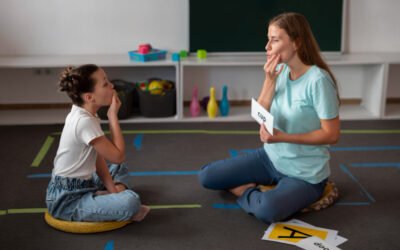
Delayed Speech in Children Verbal development is an important part of a child’s overall growth. Every child’s development is different, and it develops at their own pace; however, noticeable delayed speech can cause concern for parents. Analyzing the reasons, recognizing the signs as soon as possible, and identifying how your support can significantly affect a child’s development. Speech Delay A late speech or speech delay refers to a condition where a child is not meeting the typical milestones for speech and language development. Some Toddlers may be "late language learner" who catch up by their own practice, but others may need professional guidance to reach their milestone. Some Common Reasons of Delayed Speech Auditory Problems: If a child has any hearing issues, they may struggle to imitate or copy and originate sounds. Ear infections, especially chronic ones, can affect hearing and thus impact speech. Developmental Disorders: Many disorders, conditions like autism spectrum disorder (ASD), cerebral palsy, or intellectual disabilities can create problems in verbal development. Communication Disorders: These consist of issues like apraxia of speech (difficulty coordinating mouth movements) or expressive language disorder (trouble expressing thoughts). Environmental Factors: Less interaction with caregivers, underexposure to language, or growing up in a bilingual household without clear language supermacy can sometimes slow speech development. Premature Birth: Premature babies often reach developmental milestones, including speech, later than full-term peers. Symptom of Speech Delay Parents should keep an eye out for these warning signs: If till 12 months child is not using gestures like pointing or waving, or not babbling. If till 18 months baby is not saying single words like “mama” or “dada”....

Fun Games That Enhance Cognitive Skills in Infants
Fun Games That Enhance Cognitive Skills in Infants Kids at every age learn about the world not through any classes or lessons. They learn from play. Simple and engaging fun games like peekaboo are more than just entertainment. They are powerful and affecting games that develop the brain and enhance cognitive skills. During the initial year of life, a baby’s brain develops speedily. In this time the brain formed connections that shape future learning, memory, and problem-solving abilities. By including playful fun games into your daily routine, you can help your infant develop important cognitive skills naturally and enjoyably. Peekaboo: A Classic Game with Big Benefits It looks funny and seems like a silly game but Peekaboo teaches an important concept called object permanence. The understanding that people and objects continue to exist even when out of sight. Around 6 to 9 months of age, babies begin to grasp this idea. Every time when you hide your face and then reveal it with a joyful “Peekaboo!”, you help your baby strengthen memory, predictability, and emotional responses like surprise and delight. Beyond just giggles, peekaboo promotes social interaction, attention span, and visual tracking, as your baby follows your movements and anticipates your return. Copycat Games: Building Memory and Observation Copying is a key part of infant learning. Make a sound with funny faces and encourage your baby to mimic it. Clapping hands, sticking out your tongue, or waving “bye-bye” helps babies sharpen observational skills, memory, and motor coordination. Over time, they’ll begin to repeat actions on their own, which is a sign of growing cognitive independence. Hide and Seek with...

Smart Parenting: Routines that Support Infant Brain Growth
Parenting Smart: Routines that Support Infant Brain Growth Research says that the first few years are very important for kids' brain development. Meanwhile, this time, the brain creates more than a million new neural connections every second. While this may sound overpowering, the good part is that everyday routines at home play a powerful role in forming your baby’s cognitive, emotional, and social development. Expensive toys and unnecessary exposure are not smart parenting. It’s all about love, consistency, and deliberate interaction. Talk, Sing, and Read Every Day Babies love to talk and language is the basics of learning. Talking to your baby whether during diaper changes, feeding, or bath time. Start with the rhythm of speech and introduce new vocabulary. Describe your actions, tell about objects around them, and respond to their whisper. Singing lullabies with action and rhymes that not only makes your baby comfortable but also supports memory and hearing development. Introducing reading concepts on a daily basis, even with newborns. It helps build listening skills and imagination. Choose books with colorful pictures and rhythmic stories. The shared warmth and focused attention during reading also strengthens the emotional bond between parent and child. Constant Practices Create a Safe Environment To create a disciplined environment establishing daily routines like regular feeding, sleeping, and playtime gives infants a sense of security and predictability. A safe and secure environment decreases anxiety and helps babies feel comfort. It is essential for healthy brain development. When a baby knows what to look for, it builds confidence and trust that are the key components of emotional and cognitive growth. Motivate for Exploration Through...

Tips for Speech Therapy at Home : Children Under 4 Years Old
Tips for Speech Therapy at Home: Children Under 4 Years Old Speaking ability during the early phase of life plays a critical role in a child’s overall communication and soft skills. Children who are in under the age of 4, early proactive measure through speech therapy—especially at home. It can help to overcome in speech slow down or language difficulties. Home is the first school and Parents are the first teacher of children and with some simple techniques, they can forming a encouraging environment for speech development right at home. Here are some tips for Speech therapy at home for children who comes in under age of 4. Recognizing Speech Milestones Babbling process mainly start from 6 months in children, In speaking process in first 12 month they start speak simple word like mumma, papa etc. and begin creating simple sentences by 2 to 3 years. Parents should timely observe if their child is not able to meet these milestones, it may show a hold or delay in speech or language development. Every child development is unique. Milestone is just only for measurement. so it's important to notice the patterns rather than panic over individual missed milestones. Forming a Speech-Friendly Environment Constant and Continuous Conversation is so important for child. At home, diverse language environment is important. Talk about daily activities, family member name, objects name, describe what you see, what you touch and motivate your child to repeat words. Reading books aloud, singing nursery rhymes, and playing sound-based games are excellent ways to boost vocabulary and listening skills. Practical Speech Therapy Techniques at Home Copy and Expand:...

Childhood Obesity Prevention Tips for Every Parent
Why Childhood Obesity Matters Childhood obesity is becoming more common, and it's a serious issue for parents, caregivers, and communities alike. It's important to realise that obesity impacts not just a child's physical health but also their emotional well-being. Thankfully, we can prevent childhood obesity by making some key lifestyle changes focusing on diet, physical activity, and sleep. Understanding Childhood Obesity So, what exactly is childhood obesity? It's when a child's weight is significantly above what is considered healthy for the age and height. This condition can lead to serious health issues like diabetes, heart disease and sleep apnea. With about 19.7% of children in India affected it's clear that we need to take this issue seriously. The Role of Diet in Preventing Childhood Obesity Diet is a major player in preventing childhood obesity. For infants, UC breastfeeding for the first 6 months is crucial. For toddlers, providing healthy meals packed with fruit and vegetables helps set the stage for lifelong healthy eating habits. As kids grow, it's essential to promote nutritious food choices, including whole grain, lean protein, and low fat dairy. Tip for Parents: Make family meals a regular thing to increase healthy eating habits. Swap out sugary drinks for water or milk. Physical Activity: Keeping Kids Active and Healthy Staying active is better for children of all ages. Start with fun active play for toddlers think walking, jumping, and running. For school aim for at least and hour of physical activity each day. Encourage outdoor games, sports and family activities like hiking or biking. Active play not only builds strong muscles and bones but also boosts...

Haircare Tips for Newborns
Hair Care Tips for Newborns Newborns often have delicate, soft hair that requires special care. Whether a baby is born with a full head of hair or just a few wisps, a gentle hair care routine is essential to keep their scalp healthy. Here are some essential haircare tips for newborns. 1. Wash Hair Gently Newborns do not need daily hair washes. Washing their hair two to three times a week is enough to keep the scalp clean without stripping natural oils. For haircare tips for newborns Use lukewarm water and a mild, tear-free baby shampoo to gently cleanse the scalp. Pour a small amount of shampoo, massage it lightly with your fingertips, and rinse thoroughly. 2. Avoid Harsh Products A newborn's scalp is sensitive, so always choose gentle, chemical-free products. Avoid shampoos and lotions with strong fragrances, parabens, sulfates, or artificial colors, as these can cause irritation or allergies. Go with baby-friendly, dermatologically tested products. 3. Be Gentle While Combing Use a soft-bristled baby brush or a wide-toothed comb to gently detangle your baby’s hair. Avoid tugging or pulling, as their scalp is sensitive. If the hair is tangled, use a little coconut or almond oil to make it easier to comb through. 4. Keep the Scalp Moisturized Newborns may experience dryness or flakiness on the scalp. Applying a few drops of natural oils like coconut oil, almond oil, or olive oil can help keep the scalp moisturized. Massage gently before or after a bath to keep the scalp soft and nourished. 5. Handle Cradle Cap Carefully Cradle cap is a common condition where yellowish, flaky patches appear...

10 Indoor Activities for Children’s Mental Health
Children's Mental Health: A Foundation for a Healthy Future Children's Mental Health as important as their physical health. Mental health helps to create their ability to learn, build, relationships and survive with life's challenges. To Support a good Mental Health there are some Indoor Activities for Children's Mental Health. Always create a safe and Supportive Environment, Encourage for Healthy habits, Teach emotional Expression and reduce screen time. These ways are good for Children's Mental Health. Now we will explore 10 indoor Activities for Children's Mental Health that are following:- Mindful Coloring or Drawing Provide coloring books or blank sheets for creative expression. Encourage the use of calming colors and mindfulness while drawing. Storytelling and Reading Read books or create imaginative stories together to enhance communication and emotional understanding. Choose stories with positive messages and life lessons. Yoga and Stretching Practice simple yoga poses designed for kids, such as the butterfly or tree pose. Incorporate deep breathing exercises to improve relaxation and focus. Music and Dance Play uplifting music and let children dance freely to release stress. Encourage singing or learning a simple musical instrument to foster joy and concentration. Journaling or Gratitude Practice Provide a diary or journal for children to write about their day, emotions, or things they’re grateful for. This helps them process feelings and build a positive mindset. Puzzle Solving and Board Games Engage in puzzles, Sudoku, or board games like Chess, Scrabble, or Monopoly. These activities improve cognitive skills, patience, and teamwork. Crafting and DIY Projects Provide materials like paper, glue, and beads for crafting activities. Creating something with their hands fosters creativity and a...