
5 Sabudana Dishes for Sawan Fast and Self-Care Mondays
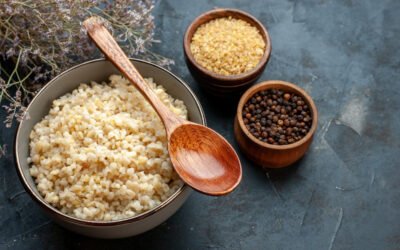
The spiritual and seasonal importance of sawan With the sacred month of Sawan and the tradition of preparing 5 sabudana dishes, nature blooms with rain-filled greenery and a tangible atmosphere of serenity. Spiritually, Sawan is of profound significance in Hindu tradition. Devotees sanctify this month to Lord Shiva by observing fasting, meditation, and self-purification. Beyond rituals, it's also the time to get into sync with seasonal cycles and consume light, sattvik foods. One simple ingredient that becomes the star of the season is sabudana. With its soothing, cooling effects, it provides nourishment as well as spiritual equilibrium. Also Read: Immunity Boost Food: 8 Foods to Add for Better Health Why sabudana is best for fasting and gentle care Known for its calm, easy to digest qualities, sabudana-or tapioca perals is more than just a fasting staple, it nurtures v self-care from within. On fasts, when the digestive system is sluggish, heavy grains and spices are hard to digest. That's where sabudana comes in. Light but energy-giving, it nourishes both physical endurance and mental peace. It has carbohydrates that give the body energy and has a neutral flavor that complements sattvik ingredients. How 5 sabudana dishes can nourish both body and mind Let’s explore 5 sabudana dishes that can truly elevate your Sawan experience. From khichdi to kheer, these recipes are more than just meals—they're tools for inner and outer nourishment. Whether you’re fasting, detoxing, or simply looking for mindful comfort food, these sabudana-based creations tick all the boxes. The power of sattvik foods during sawan Sattvik foods, according to Ayurveda, enhance clarity, calmness, and energy. They are fresh, in...

Skipping Meals: Weight Loss Shortcut or Health Risk?
Does skipping meals help you lose weight — or harm your health? In this busy generation, many people are always in search of short cuts when it comes to shedding those extra pounds. One common practice that always comes up in weight loss debates is skipping meals. Even though it may seem like a neat short cut to cut down on calories and lose weight faster, is it really so effective—or is it undermining your health instead? Also Read: Best Self-Care for Lifestyle: Simple Habits for a Healthier You Skipping meals: the myth of the quick fix Scarcely after glancing, skipping meals appears to be an easy way of reducing daily calorie intake. Of course, if you take in fewer calories, you are likely to weigh less. However, this is not always true. Skipping meals in the morning, noon, or evening can put your body's normal metabolism into disarray. As a result, instead of burning fat, your body can start storing fat, especially when your body perceives that there is not enough food. Besides, skipping meals leaves you feeling really hungry many hours later. As a result, it increases the chances of overindulging or bingeing on unhealthy foods. Therefore, rather than decreasing your weight, such an act may end up causing weight gain in the long run. Skipping meals: health risks you shouldn't ignore While many think that skipping meals will save them time and calories, the impact on health should be considered. First of all, it causes blood sugar levels to drop dramatically, which can lead to dizziness, fatigue, and irritability. Secondly, lack of proper nutrients not only affects...

Ghevar in Sawan: An Ayurvedic Treat for Heart and Soul
The magic of ghevar in sawan Sawan, or Shravan, is more than the Indian monsoon season—it's a holy period infused with worship, tradition, and health. This sacred month belongs to Lord Shiva and is a time of fasting, prayer, and festivity. Spiritually, it's about reuniting with the divine. Culturally, it's about bonding as families and communities. Dietarily, it's about aligning the body with seasonal nutrition. In the heart of this season lies a sweet delight that’s more than just a dessert—Ghevar in Sawan. This honeycomb-textured delicacy is not merely about taste but is deeply tied to Ayurveda, festive rituals, and emotional bonding. In this blog, we’ll explore how Ghevar in Sawan goes beyond the plate—nourishing not just the body but the soul too. Also Read: Raisins Disadvantages: 4 People Who Must Avoid Them Let’s begin with how culture wraps this sweet in festive joy. Cultural importance of ghevar in sawan Ghevar in sawan and teej celebration customs Firstly, Ghevar in Sawan becomes the center of attraction during Hariyali Teej, a celebration of marital happiness and femininity. Traditionally bestowed upon married daughters by in-laws, Ghevar signifies boon and prosperity. The round shape and golden color of the sweet embody completeness and richness in relationships. Not only Teej, this sweet enters Raksha Bandhan thalis too, reinforcing the bonds of siblings. Even during Sawan Somwars, when women fast for Lord Shiva, Ghevar is shared as Prasad—a symbol of divine blessings and family love. These traditions are particularly prevalent in northern India—Rajasthan, Delhi, Uttar Pradesh, and Haryana—where women lovingly make and share Ghevar as a part of their festival traditions. Why ghevar in sawan...
Raisins Disadvantages: 4 People Who Must Avoid Them
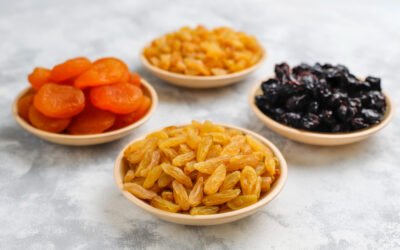
These 4 groups must watch out for raisins disadvantages Raisins are frequently praised for their iron, fiber, and sweetness. They are a popular addition to breakfasts and snacks. But eating raisins isn't good for everyone. Actually, the majority of people ignore Raisins disadvantages. When consumed in moderation, raisins can promote good health, but for some people, they may do more harm than good. People should be aware of who should avoid raisins and why. Let's look at the less popular side of this favorite dried fruit and find out who needs to avoid raisins for good health. Also Read: The Black Water Secret to Gorgeous Hair Raisins Disadvantages for Diabetics First of all, diabetics need to be careful regarding their sugar content. Even though raisins are natural, they contain highly concentrated sugars. A small serving has a high glycemic load that rapidly spikes blood sugar levels. Consequently, people who have diabetes can find that eating raisins disrupts their blood sugar balance. Rather than providing a positive contribution, raisins can contribute to the risk of complications in the future. Therefore, for diabetics, the Raisins Disadvantages are obvious and alarming. Raisins Disadvantages That Can Mislead Weight Watchers Then there are individuals who are energetically attempting to lose weight and may think that raisins are a healthy low-calorie snack. What a mistaken belief. Owing to their diminutive size and strong sweetness, it is so easy to unknowingly overconsume raisins. Also, being calorie-dense and having little or no water content, they fail to satisfy you like fresh fruits do. Therefore, they may cause unwanted weight gain instead of aiding weight loss. Thus, during weight...

Eyelid dandruff: Causes, symptoms and prevention tips
Eyelid dandruff: causes, signs & prevention tips Eyelid dandruff doesn't get as much attention as scalp dandruff, but it's actually quite prevalent. The irritating condition, so easily overlooked, strikes the sensitive skin of the eyes. If you've seen flaking skin around your eyelashes or felt itching and puffiness, you may have eyelid dandruff. The good news is that with the proper information and everyday habits, you can treat and even avoid this annoying condition. Also Read: Weight Loss with Cinnamon: Myth or Reality? What is eyelid dandruff? Before tackling causes and treatments, let's get to know what eyelid dandruff really is. Otherwise referred to as seborrheic dermatitis or blepharitis (depending on the cause), this condition entails the flaking off of dry, scaly skin from the eyelid region. Occasionally, it materializes as tiny white or yellowish scales on the eyelashes or at the edges of the eyes. Causes of eyelid dandruff There are a few reasons why eyelid dandruff occurs. Overproduction of oil in the skin is the primary reason for the dead skin cells to pile up. Furthermore, a yeast known as Malassezia, which naturally resides in our skin, can increase in quantity in an oily setting and cause flaking and inflammation. In addition, poor eye lid hygiene is a contributing factor. If you fail to wash your eyelids often enough, oil, dirt, and makeup can accumulate and exacerbate the condition. Stress, hormonal imbalance, dry skin, and some medical conditions like rosacea or eczema are other contributing factors. Symptoms to watch for The symptoms of eyelid dandruff cannot be ignored. You can have: Itching or burning sensations Redness on...

Protein Deficiency Symptoms You Shouldn’t Ignore
Feel weak? check for these deficiency symptoms Protein is a vital nutrient that helps build and repair tissues, make enzymes and hormones, and maintain general health. Yet many people unwittingly experience protein deficiency symptoms, particularly when on a restrictive diet or with a pre-existing health condition. Although it may not be immediately apparent, protein deficiency will eventually have long-lasting effects on your body. Hence, it is crucial to observe the early signs before they become severe health issues. Also Read: Gut Health Alert: Not Every Fruit Is Your Friend Let us discuss the main protein deficiency symptoms which you cannot afford to ignore. Why protein matters more than you think Firstly, protein is not merely for bodybuilders or athletes. Your body has protein in every cell, so it is crucial to normal functioning. Therefore, a lack of enough protein will put muscles at risk, lower immunity, and even impair the mind. While most people do eat some protein, they might still not be getting enough, particularly if they have a lot of processed food or no animal products. Early symptoms to watch out for You may not notice it immediately, but over time, your body sends clear signals that it lacks adequate protein. These early signs include: Constant fatigue and weakness Hair thinning or hair loss Brittle nails and dry skin Frequent infections and slow wound healing Loss of muscle mass Each of these protein deficiency signs implies that your body is having a hard time repairing itself and holding good immunity. Also, you might experience mood changes, irritability, or even brain fog. That's because protein also contributes to neurotransmitter...
Immunity Boost Food: 8 Foods to Add for Better Health
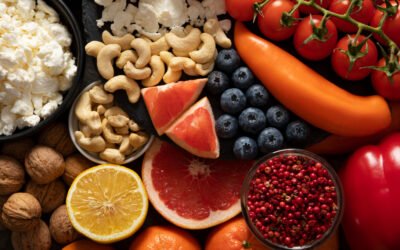
Immunity boost food: 8 foods to incorporate for improved health Healthy has never been more crucial, and the proper diet works wonders in maintaining your immune system. Although no one has found a magic pill to avoid falling sick, incorporating the right foods into your life will make your body more efficient at fighting diseases. That's where Immunity Boost Food comes in. Filled with vital vitamins, minerals, and antioxidants, these foods can naturally help keep your body's defenses up. And so, if you want to feel more energetic, less sick, and generally healthier, here are eight foods you must include in your diet. Also Read: Weight Loss with Cinnamon: Myth or Reality? Citrus fruits give your immune system a quick boost food First, citrus fruits such as oranges, lemons, grapefruits, and limes are packed with vitamin C. This potent antioxidant boosts white blood cell formation, which is central to infection-fighting. Additionally, citrus fruits are convenient to add to your diet—squeeze them into water, add them to salads, or eat them as a snack. Garlic is an immunity boost food that adds flavor and armor Garlic is not only for taste—it's one of the world's most widely eaten Immunity Boost Food choices. Due to its sulfur compounds such as allicin, garlic has been shown to fight off infections and even reduce blood pressure. And it's amazingly versatile: sauté it into soups, stir-fries, or pasta meals for a healthy boost. Ginger is an immunity boost food naturally fights inflammation Ginger is a miracle worker when it comes to quelling inflammation and easing sore throats. To boot, it also reduces nausea and...
Weight Loss with Cinnamon: Myth or Reality?
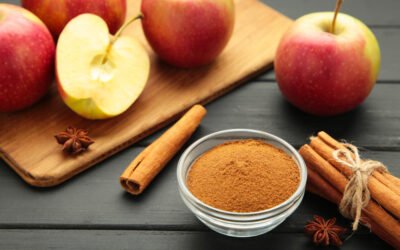
Weight loss with cinnamon: exploring the facts behind the spice In search of herbal weight loss solutions, one spice is always poised to come up: cinnamon. It's aromatic, flavorful, and reported to have a myriad of health gains. But does it help with weight loss? Let's discover whether Weight Loss with Cinnamon is a myth or a science-based fact. Also Read: Blurred Vision? Signs of High Cholesterol in Your Eyes The claim behind weight loss with cinnamon Most importantly, cinnamon is centuries old in medicine. As a well-established anti-inflammatory agent, antioxidant, and antimicrobial, cinnamon also serves as a blood sugar regulator. Weight Loss advocates are of the opinion that it increases metabolism, suppresses appetite, and burns fats. But how does it happen? One theory is that cinnamon slows the rate at which the stomach empties between meals. So, you're fuller for longer, maybe avoiding mindless snacking. Cinnamon may also increase your sensitivity to insulin, which causes your body to break down sugar more efficiently—thus storing less fat. Scientific evidence: what do studies say? While the concept is tempting, the science yields a mixed outcome. Small studies indicate that cinnamon may help with modest weight loss when combined with healthy diet and exercise. For example, a study in the Journal of Nutritional Science and Vitaminology reported body fat reduction in patients with overweight condition after cinnamon supplementation for 12 weeks. However, other research indicates no or minimal meaningful effect. Therefore, although the evidence is marginally in your favor, Weight Loss with Cinnamon is no miracle cure. It's rather a supporting cast member than a starring cast member in your weight-loss play....

Gut Health Alert: Not Every Fruit Is Your Friend
Gut Health Alert: Not All Fruits Are Your Friend Fruits are often described as nature's candy—candy-like, colorful, and nutrient-packed. While they offer a wide array of vitamins and antioxidants, not all fruits are equal when it comes to your gut health. Actually, some may lead to bloating, discomfort, or digestive upset. Therefore, it is important to know which fruits support your digestive system and which may be counter intuitive. Also Read: The Black Water Secret to Gorgeous Hair Why Gut Health Is Important Your gut is not a digestion center; it is a command center for your entire body. It's in charge of a significant portion of your immune system, brain function, mood, and even your skin. So good gut health is incredibly important. But even with the best of intentions, you may be sabotaging it without even knowing it by eating the wrong fruits. Not All Fruits Are Best Friends with Your Gut While fruits like bananas and papayas are gut-friendly, others might not sit well. For instance, apples, pears, and watermelon are high in FODMAPs—a group of short-chain carbohydrates that some people find difficult to digest. These fruits often ferment in the gut, causing gas and bloating. So, although they seem healthy, they might harm your gut health if you’re sensitive to FODMAPs. Aside from that, dehydrated fruits like raisins and apricots may destroy your digestive system due to their high sugar content and water deficiency. If there is no water content to aid digestion, your digestive system may fail to function, leading to cramping or constipation. How Sugar Affects Gut Health Another key culprit in ruining gut...

The Black Water Secret to Gorgeous Hair
The Black Water Secret to Stunning Hair We all desire luscious, healthy locks. But with all the treatments and products out there, finding a natural, but effective, solution seems impossible. Surprisingly, one of the longest-standing fads around is catching on—the Black Water Secret. This new treatment is buzzing through the beauty world, and it's easy to see why. Packed with minerals and boasting a detoxing reputation, black water could be the missing ingredient from your hair care routine. So, what's the magic behind the Black Water Secret? And how exactly do you incorporate it into your daily hair care routine? Let's dive in. Also Read: Natural Hair Treatment: Alum for Long, Thick Hair Why the Black Water Works Wonders Most importantly, black water isn't merely colored H₂O. It's fulvic mineral-infused alkaline water which detoxifies the scalp, activates hair growth, and conditions the hair more. Unlike most hair products that are full of chemicals, black water has a more natural approach that starts from within. Also, black water's high pH level neutralizes acidity within the body, thereby presenting the ideal condition for longer, healthier hair. Should your inner system be running optimally, the effects are carried externally—specifically to the skin and hair. Apart from its cleansing properties, black water hydrates. The strands of your hair become prone to breakage due to dryness and depravity of nutrients. But thanks to the Black Water Secret, hydrating reaches the scalp and root more easily, resulting in healthier, brighter hair. How to Incorporate this Secret into Your Hair Routine Incorporating the Black Water Secret into your hair routine is surprisingly easy. Start off by drinking...

Natural Hair Treatment: Alum for Long, Thick Hair
Natural Hair Treatment: Alum for Long Thick Hair We all desire our hair to be thick, long, and healthy. But due to pollution, stress, and chemicals-based conditioners and shampoos, the hair dries out and becomes limp. Fortunately, nature offers us an infinite number of solutions, and one of the best of them is Natural Hair Treatment with alum. It has been used copiously throughout centuries to promote hair growth and treat scalp diseases. Marvelously, its superb performance in hair care is reserved for everyone except a very few individuals. Also Read: Blurred Vision? Signs of High Cholesterol in Your Eyes Why Choose a Natural Hair Treatment Over Chemicals? Firstly, natural treatments address the scalp without harming it with side effects. Chemical products, however, give immediate effects by damaging the hair in the long run. Therefore, after a Natural Treatment, one not only has long-lasting benefits but also improves the health of the scalp as a whole. Besides, the use of items like alum can be economical and reduce the use of chemical-based products. What is Alum and How Does It Benefit? Alum, or "Fitkari" to Indians, is a crystalline powder of particle form with astringent and antibacterial properties. Applied as a component of a Natural Treatment, it washes the scalp clean, checks dandruff, and activates hair follicles. Alum also maintains the natural pH balance of the scalp, which is necessary for healthy hair growth. Sealing off the pores of the scalp by alum avoids hair loss and strengthens the roots. Natural Treatment: Alum Application for Hair You need to master how to apply alum properly before doing so. Just follow...

Blurred Vision? Signs of High Cholesterol in Your Eyes
Blurry Vision? Symptoms of High Cholesterol in Your Eyes When we hear the word cholesterol, we immediately associate it with heart health. But blurred vision can also be an unsuspecting sign of high cholesterol. Though it may not seem connected at first, your eyes have a lot to talk about your health. So, if you're noticing sudden or recurring blurred vision, it's time to listen. This blog discusses how high cholesterol can influence your eyes and what warning signs you must never overlook. Also Read: Anti-Diabetic Leaves for Natural Sugar Balance How Does High Cholesterol Impact Your Eyes? Surprisingly, cholesterol is not just flowing in your bloodstream; it may also affect your eyesight. Too much cholesterol in the blood can cause the formation of plaque in the small blood vessels of your eyes. This ends up limiting blood circulation and damaging the sensitive tissues used in clear vision. Therefore, the damage could result in blur vision, among other complications. In addition, high cholesterol can lead to retinal vein occlusion — a condition in which the blockage of one of the veins in the retina occurs. The initial warning in many instances is acute loss of vision or very blurred vision, particularly in one eye. So, any abnormal visual disturbance warrants a trip to your doctor. Blurred Vision and Other Ocular Signs to Watch For Blurred vision isn't the only ocular symptom of high cholesterol. Here are a few additional signs you may see: Xanthelasma: Fatty yellow deposits near the eyelids. Arcus senilis: A gray or white ring around the cornea, prevalent among older people but an early indicator among younger...
Healthy Living: Quit Sugar & Salt for a Month – What Happens?
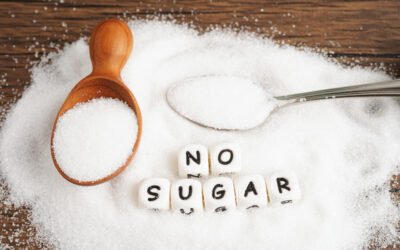
Healthy Living: Rouse Sugar & Salt for a Month – What Occurs? In the quest towards healthy living, even small, regular changes can make a huge impact. But among the largest nutritional culprits is the sugar and salt overload that quietly sneak into our foods and snacks daily. So, what really happens when you choose to cut both for a whole month? Surprisingly, your body will start reacting almost in real time. First, you might observe a shift in your energy levels. Shortly thereafter, your complexion begins to look clearer and healthier. Additionally, your taste buds increasingly become attuned, allowing natural tastes to be perceived more noticeably and enjoyably. Consequently, processed food cravings cease to exist. Furthermore, your blood sugar and blood pressure levels improve, resulting in increased overall well-being. Eventually, these seemingly small changes can lead to long-term healthy habits. Therefore, this one-month challenge can truly kick your healthy living journey into high gear, offering not just temporary benefits but a foundation for lasting wellness. Also Read: Best Self-Care for Lifestyle: Simple Habits for a Healthier You Week 1: The Tough Beginning of Healthy Lifestyle It is true at first. Your taste buds are used to that sugar-laden morning coffee or the extra sprinkle of salt on your dish. You may experience headaches, food cravings, or mood swings at first. But don't give up yet. Every day that passes, your body starts adjusting. You will increasingly experience fewer energy dips, and your hunger becomes more controllable. This is just your body cleansing. Before long, you'll notice that the flavor of actual food starts to come through. Week 2:...

Self-Care for Personal Health: 7 Daily Stress-Relief Habits
Self-Care for Personal Health: 7 Everyday Stress-Relief Habits With the demands of today's hectic lifestyle, stress has become inevitable. The self-care for personal health is very important therefore, making a point to look after one's own health in the form of self-care is perhaps more important than ever. This conscious endeavor helps reduce anxiety, improve your mood, and improve overall well-being. By integrating small but strong self-care routines into your daily schedule, you can keep yourself connected and build your resilience. Most importantly, self-care for one's own health does not require a huge amount of time—it only demands regularity and determination. Here are seven practical and effective daily routines that serve to remove stress and manage your personal well-being. Also Read: Menstrual Hygiene: Myths vs. Facts 1. Start Your Day with Deep Breathing Start your day with just five minutes of deep breathing. It calms your nervous system and sets a peaceful tone for the day. Moreover, incorporating deep breathing with affirmations will facilitate it for you to stay positive and centered. Stay Hydrated Hydrating is easy, but it is really crucial when it comes to stress management. When you stay hydrated during the day, your brain works at its best, and your body stays energized. Don't wait until you are thirsty—drink water intermittently. Move Your Body Exercise is a proven stress-reliever. Whether it’s yoga, dancing, brisk walking, or stretching, movement releases endorphins. Additionally, regular physical activity improves sleep quality and sharpens focus, enhancing your ability to handle stress. Eat Mindfully Feed your senses with whole, healthy foods. Mindful eating is being aware of what and how you eat. In...

Best Self-Care for Lifestyle: Simple Habits for a Healthier You
The best self-care for lifestyle is something you and I need to do on a daily basis, not just something I read about. Taking care of our mind, body, and soul become essential when life becomes too much to handle. Making tiny, deliberate daily choices might help you feel more focused, energized, and emotionally stable. In this blog, I'll walk you through easy, achievable strategies to include self-care into your daily routine, from your meals and morning routine to establishing boundaries online and safeguarding your mental health. Why Best Self-Care For Lifestyle Matters With so many demands pulling you in different directions, and constant notifications adding to the pressure, self-care can feel like the one thing you don’t have time for. But here’s the truth: when you make caring for yourself a daily priority, everything else becomes more manageable. You’ll find that self-care recharges you, helps you bounce back emotionally, and even supports your physical health. It’s not about being selfish, it’s about showing up fully in your life, with more focus, energy, and patience for what really matters. Building Daily Habits That Actually Support Best Self-Care for Lifestyle When self-care becomes part of your routine, not just an occasional treat, it can change how you live and feel every day. Morning and evening rituals can create a strong foundation for balance and consistency. Morning Habits That Start Your Day Right Start your day gently with small actions like sipping warm water, stretching, or jotting a few thoughts in a journal. Avoid jumping straight to your phone or emails. Give yourself those first few minutes to ease in with intention. This kind...

How Nature Supports Self-Care: Forest Walks, Sunlight Stillness
The Ways Nature Helps with Self-Care: Woodland Strolls, Sunshine & Quiet Moments In today's busy world, nature supports self-care through simple and efficient remedies. From screens flickering on all the time to lists that overrun, our bodies and brains scream for balance. Thankfully, nature steps in as a willing partner in healing. By inviting forest walks, showering us in warm sunlight, and beckoning us into silent reflection, nature supports self-care makes it easy to reconnect, reboot, and recharge. These simple resources—most often within easy reach just outside our front doors—revitalize our vitality and foster peace of mind. Also Read: Best Self Care for Lifestyle: Berry-Based Skincare Benefits Forest Walks: A Soothing Path Nature Facilitates First of all, the moment you step into the forest, nature gets your senses going automatically. The rustling of leaves, the aroma of trees, and the birds chirping surround you. Every step, your breathing relaxes, your heart rate slows down, and tension dissolves. Clearly, these moments are more than revitalizing—they're rejuvenating. Besides, science testifies to it. The Japanese practice of Shinrin-yoku or forest bathing has proven to have a positive impact: it lowers cortisol, reduces anxiety, and enhances mood. Finally, forests allow you to disconnect. Without buzzing notifications, you tune in to yourself. If you take a fast walk or pause to notice one flower, you practice mindful self-care. Irrefutably, nature promotes self-care by offering a serene and centered environment that quietly replenishes mental clarity. Sunlight and Mood: How Nature Promotes Self-Care with Light Then there is the key role of sunlight. Even a brief exposure to morning light will considerably lift your mood. Natural light...
Onion Juice Benefits: Heals 5 Common Problems Naturally
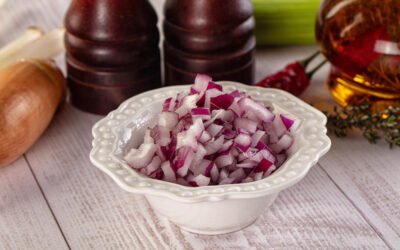
Onion Juice Benefits: Cures 5 Common Problems Naturally As far as natural remedies go, few foods are as underappreciated as onion juice. Amazingly, the everyday kitchen ingredient packs a punch of healing powers. Indeed, benefits of onion juice go way beyond the realm of cooking—it can naturally solve quite a few daily health and beauty issues. From hair fall to skin problems, even minor infections, onion juice can be your savior. Let's dive into the specifics of how onion juice benefits can help five common problems and improve your health. Also Read: Herbal Solutions for Glowing Skin 1. Onion Juice Benefits for Hair Fall and Growth Firstly, one of the most popular uses of onion juice is for hair loss. Because onion juice contains a high amount of sulfur, it strengthens the hair follicles, slows down breakage, and accelerates quick hair growth. It also boosts blood circulation to hair roots, thus making your hair thicker. Just put some freshly squeezed onion juice on your scalp, keep it on for 30 minutes, and then wash with a mild shampoo. Repeat two times a week. 2. Natural Dandruff Remedy On top of this, if dandruff is bothering you, onion juice will come to your rescue. Its antifungal and antibacterial property kills dandruff-causing bacteria and soothes the itching scalp. Unlike harsh chemical-based shampoos, onion juice works gently but efficiently. Combine onion juice with some drops of tea tree oil for extra gain. Apply it to your scalp and let it remain for 20 minutes before shampooing. 3. Clarity of the Skin Benefits with Onion Juice Now to the skin care, onion juice is...
Anti-Diabetic Leaves for Natural Sugar Balance
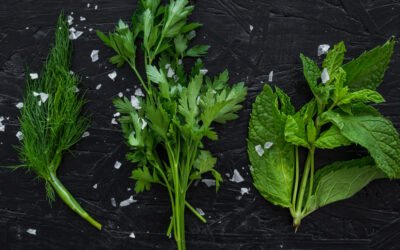
Natural Anti-Diabetic Leaves for Harmonized Sugar Healthy sugar levels of blood are very essential, especially for the people suffering from diabetes. Although there are many solutions existing in modern medicine, people are turning to nature as well these days. Anti-Diabetic Leaves is a common herbal remedy that many are going for nowadays. These leaves, occurring in most herbal plants, are said to harmonize the blood sugar levels effectively. Not only are they easy to find, but they also possess a wealth of health advantages. Therefore, it makes perfect sense to explore how these powerful leaves can benefit a natural balance of sugar. Also Read: Best Tips for Healthy and Stronger Nails Why These Leaves Are Gaining Attention To begin with, Anti-Diabetic Leaves are rich in plant chemicals like flavonoids, alkaloids, and antioxidants. These compounds play a major role in enhancing insulin sensitivity and reducing glucose uptake. As such, the body controls blood sugar levels more effectively. Secondly, they reduce inflammation, which is most widely linked to Type 2 diabetes. Take Neem, for example. Its bitter leaves possess strong anti-diabetic components. Fenugreek leaves possess a mild quantity of soluble fiber as well, slowing down carbohydrate digestion and sugar absorption. Curry leaves are another wonderful choice with roles of supporting pancreas and insulin production. Clearly, these natural components are not only strong but also innocuous when utilized in moderation. Top Anti-Diabetic Leaves to Incorporate into Your Diet Surprisingly enough, the use of Anti-Diabetic Leaves traces back centuries in Ayurveda and traditional medicine. Let's take a close look at the number one favorites: Neem Leaves – Bitter in flavor and extremely therapeutic, neem...
Best Self Care for Lifestyle: Berry-Based Skincare Benefits
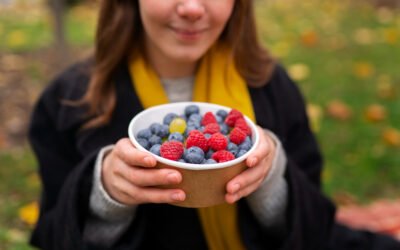
Best Self Care for Lifestyle: Unlock Radiant Skin with Berries The Best self-care for lifestyle starts with small, daily decisions—and one of the tastiest is mixing berries into your skincare routine. These brightly hued fruits do more than add color to your breakfast bowl. They're bursting with antioxidants, vitamins, and soothing fruit acids that restore tired skin. So, you can have glowing skin and a dessert that smells—and yes, tastes—like sunshine Also Read: Menstrual Hygiene Tips: Breaking the Taboo for Women Berries: Top Wellness Choice and the Best Self Care for Lifestyle Berries owe their rich colors to anthocyanins. These powerful antioxidants not only fight off free-radical damage but also prevent wrinkles and dullness. Strawberries, blueberries, and acerola are rich in vitamin C, which boosts collagen production. This means your skin stays firm and springy. Moreover, berries contain natural polyphenols, which reduce inflammation, soothe redness, and strengthen your skin’s defense barrier. In short, berries are a multitasking powerhouse for busy, stressed lives. Superstar Berry Ingredients and Their Skin Benefits Berry Star Nutrients Visible Results Blueberry Anthocyanins, resveratrol Protects from pollution, evens skin tone Strawberry Vitamin C, ellagic acid Brightens, fades dark spots Raspberry Omega‑3 & 6, quercetin Locks in moisture, calms irritation Acai Vitamins A & E, ferulic acid Smooths fine lines, improves skin elasticity Each berry has a unique benefit. Therefore, many brands combine several into one product. For example, blueberry extract in a cleanser removes impurities while also boosting the skin's defense. A moisturizer with raspberry seed oil hydrates the skin without making it feel greasy. Seamlessly Add Berries to Your Daily Wellness Routine for a Healthier Lifestyle To...

Menstrual Hygiene: Myths vs. Facts
Menstrual hygiene has long been shrouded in taboos, but knowledge increases every day. Yet despite this progress, menstrual hygiene still remains unclear to many, causing people to choose fear over facts. Since half of all people menstruate, the subject of menstrual hygiene is worth discussing frankly and openly everywhere. In this manual, I dismantle fixed myths, offer evidence-based facts, and illustrate how tiny, regular habits guard health. UNESCO states that insufficient accurate information—not resources—is the largest obstacle in most areas, so knowledge really is power. The more quickly we substitute rumors for facts about menstrual hygiene, the better off everyone will be. Also Read: From Head to Toe: The Ultimate Coconut Oil Guide for Beauty and Wellness Myth 1: You Must Avoid Bathing During Your Period Some families believe that washing or even getting in contact with water makes the bleeding worse. But science says otherwise. Warm baths relax cramps, relax muscles, and ease stress. Proper washing also prevents odor and infection, so menstrual hygiene is easier. So shower daily; just replace your pad or tampon afterwards to keep everything clean. Myth 2: Exercise Makes Cramps Worse Most teens avoid sports because they worry cramps will get worse. However, studies show that gentle aerobics, yoga, and stretching increase blood flow and reduce discomfort. In addition, body movement alleviates bloating and boosts mood. Adding activity to your schedule goes a long way in menstrual hygiene by reducing infection risk associated with long periods of pad wear. If competition is daunting, try calm movements such as tai chi or swimming; both exercises are period-friendly throughout the year. Myth 3: Tampons Cause Loss of...