
Guided vs Silent Meditation: Which Is Best for Beginners?
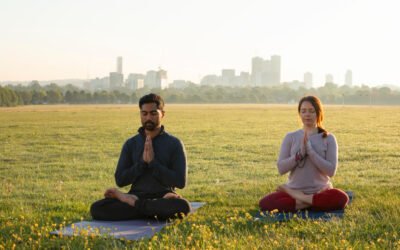
Guided vs Silent Meditation is gaining popularity and attention, as it is known to benefit a person mentally, emotionally and physically. While we do agree about the benefits meditation offers, there is often a struggle, particularly with beginners, in deciding whether to do guided or silent meditation. Each style offers unique benefits, with different approaches that cater to various preferences and personalities. In this article, I’ll explain the key differences between guided and silent meditation. This guide will help you choose the best meditation style to support your beginner practice. Also Read: Tarot for Self-Love and Relationship Clarity Understanding Guided Meditation Guided meditation occurs when a narrator or teacher leads you through the meditation either an application or live sessions. During guided sessions, instructors use breathing cues, visualization, and mindfulness techniques to help you stay focused at each step. Benefits of Guided Meditation Structured Approach: Guided meditation follows a well-thought-out, step-by-step sequence that works well for beginners. Supportive Guided Environment: During a guided meditation, you start the self-exploration journey which helps to ease the fear of being alone and unsupported. Beginner-Friendly Techniques: Guided sessions often include visual imagery, body scans, and affirmations—techniques that make meditation easier for beginners. Reduced Distractions: The narrator’s voice serves as an anchor, helping you refocus when your mind wanders and minimizing distractions. Silent Meditation Explained Unlike guided meditation, silent meditation involves no teacher or narration. It encourages you to sit quietly, focus on your breath, and observe your thoughts and bodily sensations. Mindfulness, transcendental, and Zen meditation are also forms of silent or unguided meditation. Benefits of Silent Meditation Self-Discovery: Without external guidance, silent meditation...

Bedtime Meditations for Better Sleep
Introduction on Bedtime Meditations for Better Sleep Falling asleep isn’t always easy, Stress and Overthinking. Distractions that don’t quit—even at night. Bedtime Meditations step in here, providing a natural way to calm your mind and settle your body. No tricks, only calm concentration. These habits help to calm the mind and reduce worry. They help your thinking slow down. What was the result? A more relaxed approach to sleep and a sense of ease as you prepare to rest. Powerful and simple. Also Read: How Meditation clears Negative Energies Away? Setting the Stage Start by setting the tone. Dim the lights. Adjust the temperature till the space is comfortable. Turn off electronics or seek for earphones to silence the noise. Put on something soft. Create a space only for you and a place to sit or lie down without interruption. Preparing Your Mind Notice your thoughts and feelings as they come. No judgment. Minds get busy, especially before sleep. Don’t fight the thoughts. Watch them float by. Let them go. Deep breaths help anchor you. Inhale through your nose. Hold it. Exhale through your mouth. Slow everything down. Repeat. This settles your body and your mind. Guided Bedtime Meditations Guided meditation comes in many forms. Body scans draw your focus to each part of your body one by one, helping you let go of tension. Visualizations help, too—imagine a quiet beach or a peaceful forest. Use your mind to wander somewhere soothing. Loving-kindness meditation sends good thoughts to yourself and others. It builds compassion. It builds peace. Techniques for Deepening Relaxation Progressive muscle relaxation, step by step. Tense your toes and...

Is This Job Right for Me? Tarot Insights for Career Choices
Choosing a career. It’s a big move. So big, you might hesitate before each step. That’s normal. But there’s a tool—tarot—that can help make things clearer. Tarot guides you to look closely at your own values, your skills, your possibilities is This Job Right for Me. It helps you see what you might miss. And clarity? It builds confidence. Also Read: Tarot for Self-Love and Relationship Clarity Assessing Your Current Situation Is This Job Right for Me? First, pause before any decision. Know where you stand. Tarot can illuminate your current landscape. Card Spreads: Try a classic “Celtic Cross” or the straightforward three-card spread. Each one gives a different view: your job today, your feelings, any issues lurking under the surface. Strengths and Weaknesses: Here is a look at where you shine and where you struggle in the cards. You see your strengths. You spot your weak points. It’s a starting point for growth. Acknowledging Dissatisfaction: A job may not always be a good fit. Tarot can help you identify what's wrong, such as a meaningless career, an imbalanced life, or conflict with coworkers. Now you see the problem. You can name it. Exploring Potential Career Paths Clarity on your current situation is one thing. Potential follows. Tarot readings predict the future. Identifying Your Values: The cards help you pinpoint what matters in a job. Core values, right in front of you. Isolating Your Interests: These are the things that light your fire. Passions that lead you to meaningful work. New Opportunities: As new opportunities arise, Tarot aids you in knowing how satisfied you would be as well as people...
Meditation for Children: Fun and Safe Practices
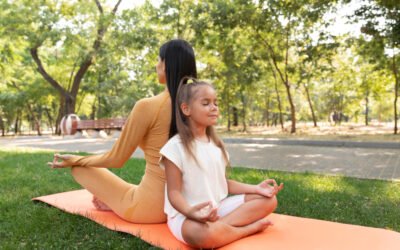
Introduction: Meditation for Children Meditation for Children isn’t just for grown-ups in yoga pants. Kids, too, face a storm of emotions. Think of meditation as giving your child an anchor a steadying tool for stress and those big, wild feelings. It helps them pause. It builds focus. Over time, it nurtures self-awareness and teaches kids how to respond, not just react. A simple practice, done regularly, can shape the way children see themselves and the world. In short: meditation is a practical skill for emotional balance. Also Read: Easy Hairstyles That Instantly Glam Up Your Everyday Look Age-Appropriate Techniques For Younger Children (Ages 3-7) Start light. Keep it playful. Use story-driven guided meditations—maybe a trip to a magical garden or a stroll with a favorite animal. The familiar comforts work. Try breath awareness: have them watch a stuffed toy rise and fall with each breath. It’s concrete. Short bursts work best—think five to ten minutes. Make it a game: “belly breathing” lets them place a soft toy on their belly and notice the gentle lift each time they inhale. Suddenly, breathing is fun. For Older Children (Ages 8-12) When they’re ready, layer in more structure. Introduce mindful movement—yoga stretches or simple tai chi. Physical activity keeps attention grounded. Encourage them to pay attention to thoughts and feelings, without judgment. Guided meditations can tackle specific challenges, like handling nerves before a test. Stretch the time a bit—maybe ten to fifteen minutes. Teach simple tools: counting breaths or repeating affirmations. Give self-talk a positive frame. Creating a Supportive Environment on Meditation for Children Find a quiet, cozy spot—no distractions, low light,...
Aura Cleansing with Crystals: Top Stones and Uses
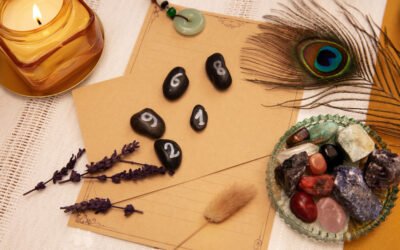
Introduction of Aura Cleansing with Crystals Ancient, unassuming, and everywhere—from gift shops to pocketbooks for Aura Cleansing with Crystals. For centuries, people have turned to them, not just for adornment. But for what they believe are healing and energetic effects. Think of them less as magic wands, more like subtle tuning forks. They help cleanse and balance your aura. Remove what isn’t yours. Support your own energy. The idea: crystals interact with your energy field. They can soak up, shift, or release what feels stuck. Want to try it? Here’s how you start: Also Read: Effect of Bad Energies on Aura and What they are? Choosing the Right Cleansing Choosing the right crystals matters. A little selectiveness goes a long way. Clear Quartz: A classic. Clear Quartz amplifies energy and works for cleansing, resetting, or focusing intentions. Versatile—that’s its superpower. The master of resets. Selenite: Selenite specializes in clearing and purifying. It helps dissolve heaviness, leaving behind clarity and peace. Reach for it when you want a quick energy shift. Smoky Quartz: Need grounding? Smoky Quartz steps in. It absorbs negativity and offers protection from the static of daily life. Good for releasing and renewing. Black Tourmaline: If you need defense, Black Tourmaline is your crystal. It absorbs what you don’t want—negative vibes, unwanted energy. Keeps your boundaries clear. Amethyst: Amethyst calms, purifies, and transforms. It takes what’s heavy and helps lighten the load by turning negative to positive. Also great for supporting calm and awareness. Aura Cleansing with Crystals Before any aura work, first cleanse your crystals. Used crystals can hold onto energy like lint on a sweater....
Tarot and Moon Phases: Aligning Your Readings with Lunar Energy
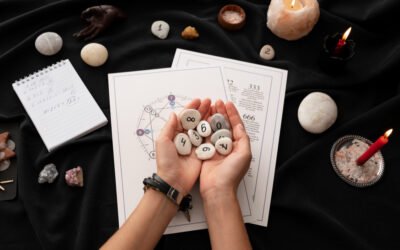
Understanding the Lunar Cycle From the very beginning, people were fascinated by the moon changes. The cycle of Tarot and Moon Phases waxing and waning completes in about 29.5 days. This begins with the New Moon during which the moon is invisible, at least to the naked eye. From then on, the moon will go through a cycle of waxing- where it illuminates more and more through the waxing crescent, firs quarter, gibbous and reaches the Full Moon. During the Full Moon, lunar energy is at its peak, and we experience heightened feelings. From then on, lunar energy fades with the waning gibbous, moving into third quarter and waning crescent until it resets back to New Moon. All the phases of the moon serve a unique purpose which in turn helps shape emotions, behavior and one’s intent. Also Read: Using Tarot for Stress and Anxiety Management The New Moon: Planting Seeds of Intention Introspection during New Moon is ideal since this is when intentions can be crafted best. New projects can also be started during this period as self-connection is strongest. While doing tarot on New Moon, The Fool, representing new adventures is a perfect card to pull as is the Ace of Wands which embodies new creative endeavors. Both suggest a strong desire to break free which aligns with the moon’s energies and encourages to be bold by seeking clarity and intention before the reading. Try to focus on cards that symbolize new beginnings, potential, and the seeds of desires so that magic of New Moon is fully harnessed. The Waxing Moon: Nurturing Growth for Tarot and Moon...
Using Tarot for Stress and Anxiety Management
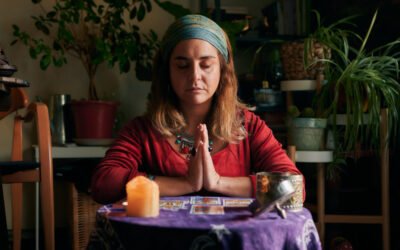
Coping Strategies for Stress and Anxiety Tarot cards are more than tools for divination; they’re also weapons for stress and anxiety! But beyond folly predictions of the future, tarot provides a special medium to help you unpack the world within yourself, whether you are searching for clarity or to build coping mechanisms. This practice isn’t about foreshadowing; it’s about cards reflecting back to you where you are and seeking guidance in engaging negative emotions. Relationship between Stress and Anxiety The reason we might experience stress and anxiety, is because our inner beings become disconnected from the outer world. Tarot assists in shrinking this margin through contemplation. There is a significant amount of meaning that can be found in each card of a tarot deck, each of which symbolizes something that can be applied to human life. As you draw cards, it's a sort of subconscious reminder to start sifting through the imagery and themes presented so that you can compare them to the stress and anxiety that's filed deep in your mental folders. For example, pulling the Five of Swords may indicate a battle or defeat, and it is up to you to contemplate the exact circumstances that are making you feel these emotions. Using Tarot for Emotional Well-being, Step by Step The first step is to “create an intention. Before you shuffle the cards, pause for a few deep breaths and concentrate on what you’d like to explore. Are you feeling overworked? Anxious about a relationship? Be specific. Then, select a spread — a preset pattern of cards. One- or three-card readings are great for simple spreads Easy spreads, such as one-card or three-card readings, are ideal for beginners. As you spread the...