Interactive Study Techniques for Kids
Learning doesn’t have to be boring! By incorporating interactive and creative techniques, kids can enjoy studying while improving their retention and understanding of new concepts. Here are some interactive study techniques for kids to make learning more engaging of all ages.
Turn Lessons into Games
Why It Works: Kids learn better through play.
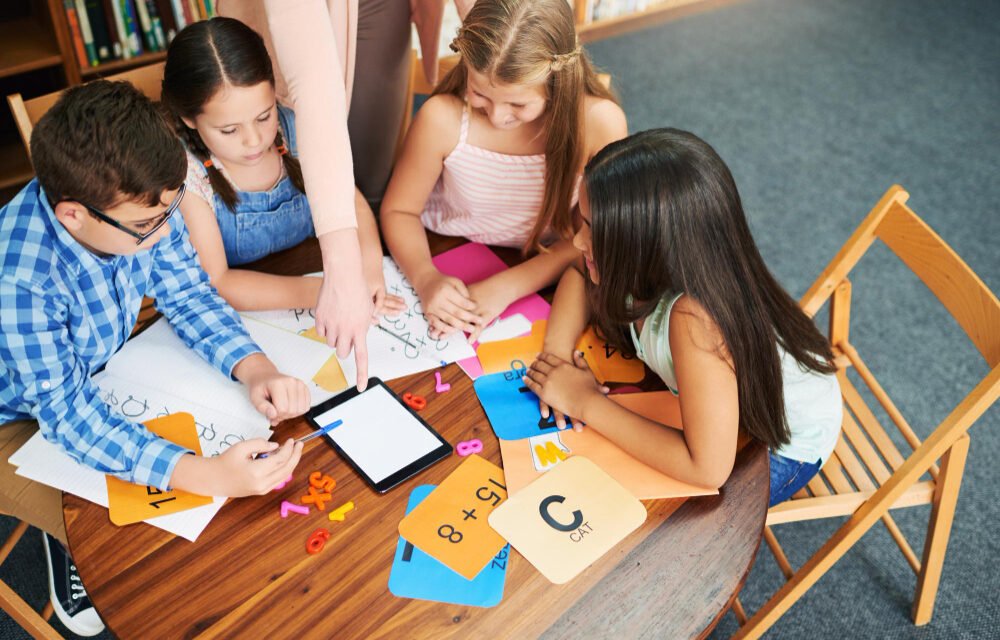
Use flashcard games for vocabulary or math facts.
Try board games like Scrabble for spelling practice.
Create a trivia quiz with rewards for correct answers.
Use educational apps with interactive challenges.
Use Hands-On Learning Activities
Why It Works: Encourages active participation and creativity.
Science experiments at home (e.g., making a volcano with baking soda and vinegar).
DIY crafts for history or geography (e.g., making a model of the solar system).
Cooking together to teach measurements and fractions.
Act It Out with Role-Playing
Why It Works: Helps kids visualize and remember information.
Act out historical events as a family.
Let kids pretend to be teachers and explain a topic to you.
Use puppets or stuffed animals for storytelling activities.
Use Music and Songs
Why It Works: Helps with memory retention and makes learning fun.
Learn multiplication tables through songs.
Create rhymes or jingles to remember facts.
Use educational songs available on YouTube or learning apps.
Make Learning a Scavenger Hunt
Why It Works: Encourages movement and problem-solving.
Hide clues around the house with questions related to their lessons.
Make a math treasure hunt, where kids solve problems to find the next clue.
Create an alphabet or word hunt for early learners.
Introduce Learning Apps and Technology
Why It Works: Interactive tools keep kids engaged.
Duolingo for language learning.
Khan Academy Kids for various subjects.
Prodigy for fun math challenges.
PBS Kids for science and reading games.
Learn Through Everyday Activities
Why It Works: Makes learning practical and relevant.
Grocery shopping: Teach budgeting, reading labels, and calculating discounts.
Cooking: Practice measuring ingredients and understanding nutrition.
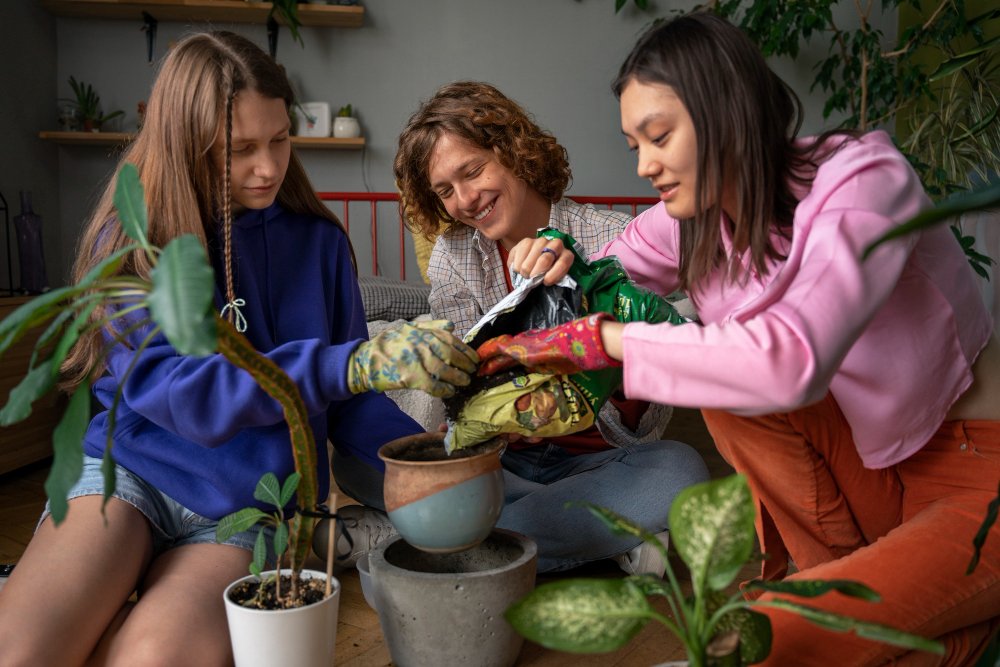
Gardening: Learn about plants, insects, and ecosystems.
Encourage Reading with a Twist
Why It Works: Enhances vocabulary and comprehension.
Set up a reading corner with comfy pillows and books.
Try reading aloud in funny voices to make stories exciting.
Turn books into mini-plays or storytelling sessions.
Create a Reward System
Why It Works: Motivates kids to stay focused and complete tasks.
Use a sticker chart to track progress.
Give small rewards like extra playtime or a favorite treat.
Celebrate learning milestones with a fun family activity.
Encourage Group Learning and Peer Interaction
Why It Works: Kids learn better with others.
Organize study playdates with friends.
Have siblings quiz each other.
Participate in educational group activities like spelling bees or science fairs.
Making learning fun encourages curiosity and helps kids develop a lifelong love for knowledge. By mixing play, creativity, and hands-on activities, studying can become an exciting and enjoyable experience.