Significance of Navratri
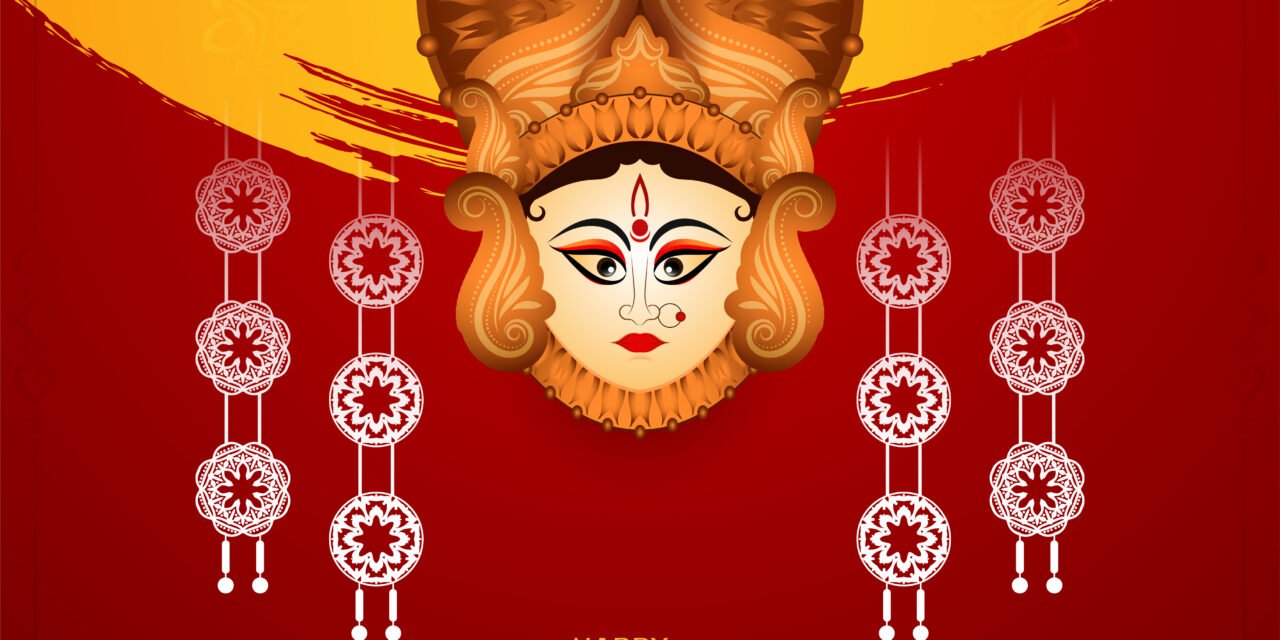
Navratri, one of the most celebrated and vibrant festivals in India, dedicates nine days to MAA DURGA. It represents the victory of good over evil, and people manifest it through prayers, fasting, dance, and ultimate devotion. Navratri: Symbol of Divine Energy honors the grace of feminine(Shakti).
Navratri refers to nine nights dedicated to nine powerful forms of Goddess Durga, who is also known as Nava-Durga. Each day of Navratri represents a different personification of the Goddess, associating various outlooks of feminine power (Shakti). Navratri holds cultural, spiritual, and social importance. Navratri signifies Maa-Durga’s victory over the demon Mahishasura.
The Nine Days of Worship
Each day of Navratri is devoted to a different form of Durga:
- Day 1 – Shailaputri (Daughter of the Himalayas) – Signifies strength and devotion,
- Day 2 – Brahmacharini (Goddess of Penance) – Symbolize wisdom and self-discipline,
- Day 3 – Chandraghanta (Warrior Goddess) – Represents courage and grace,
- Day 4 – Kushmanda (Creator of the Universe) – Denote health and energy,
- Day 5 – Skandamata (Mother of Lord Kartikeya) – Symbol of motherly love,
- Day 6 – Katyayani (Goddess of Courage) – Marks bravery and protection,
- Day 7 – Kalaratri (Destroyer of Darkness) – Symbolizes fierce strength,
- Day 8 – Mahagauri (Goddess of Purity) – Represents peace and wisdom,
- Day 9 – Siddhidatri (Goddess of Supernatural Powers) – Grants wisdom and spiritual knowledge.
Fasting during Navartri
Fasting during Navratri symbolizes a form of purification and devotion. People consume a diet during fasting that includes fruits, milk, and specific fasting foods such as sabudana, kuttu, and samak rice. The festival comes to a close with Kanya Pujan, where devotees worship young girls and feed them a delicious vegetarian (Satvik) meal.
Grand celebration Across India
The festival celebrated in many ways in different part of India:
- Gujrat state is a very vibrant and rich in culture. Navratri famous for Garba and Dandiya Raas, where male and female wear colorful and vibrant costume and dance to devotional folk music.
- Navratri celebrated in West Bengal as Durga Puja, where grand pandals are set as temporary temple, Durga idol immersion in holy river and cultural performance held in devotion of Maa Durga.
- Ramlila performances and Dussehra celebrations in North India, denote the triumph of Lord Ram over Ravan.
- Golu (doll Display) is present in homes and temples which hold special prayers in South India .
Navratri Attire & Colors
Every and each day of Navratri represent with special phenomena and specific color. Traditional dresses like chaniya Choli, Sarees, Kurta Pajamas and dhotis influence the festive season.
- Day 1 – Red represent Passion and Strength.
- Day 2 – Blue signifies Calmness and Wisdom.
- Day 3 – Yellow devote to Happiness and Energy.
- Day 4 – Green gives Growth and Prosperity.
- Day 5 – Grey create Balance and Peace.
- Day 6 – Orange represent Optimism and Joy.
- Day 7 – White signifies Purity and Peace.
- Day 8 – Pink is for Love and Compassion.
- Day 9 – Purple shows Royalty and Power.
India is a land of festival. Each and every day is celebrated as festival. But Navratri is not just festival, it is a time of devotion, celebration and togetherness.