Neonatal Jaundice: Causes, Symptoms, and Effective Treatments
Introduction
A common condition among newborns is neonatal jaundice, which is characterized by a yellowing of the skin and eye
whites. An overabundance of bilirubin, a yellow pigment generated during the regular breakdown of red blood cells.
It is the origin of this discoloration. Many Pregnancy Health & Wellness Tips are related to Neonatal Jaundice.
Newborns frequently have a transient accumulation of bilirubin. It is because their livers are not developed
sufficiently to eliminate it from the blood.
Reasons for Jaundice in Newborns
Neonatal jaundice comes in a variety of forms, each with its own reasons. The most prevalent is physiological
jaundice, which most babies have because of their developing livers. While breast milk jaundice develops later and is
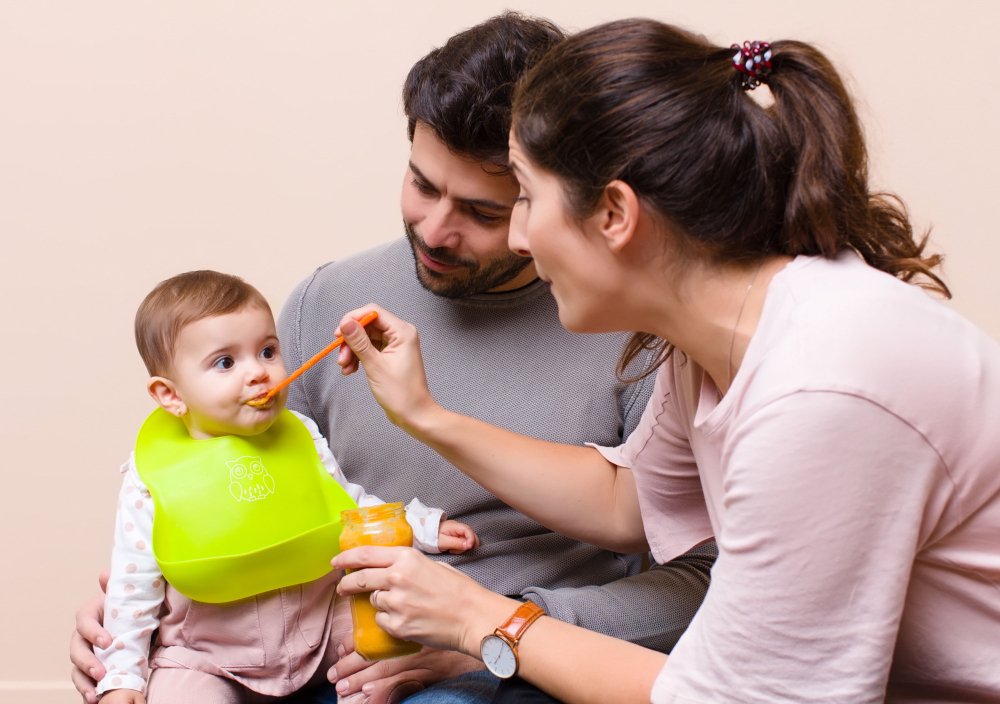
associated with chemicals in the breast milk that impair bilirubin breakdown, breastfeeding jaundice can happen
during the first week if the baby is not feeding effectively. An incompatibility between the mother’s and the infant’s
blood types results in hemolytic jaundice, which is characterized by a greater breakdown of red blood cells. Internal
bleeding, liver problems, infections, or enzyme shortages are some more causes.
Also Read: Preventing Jaundice from the Womb: Glowing Beginnings
Neonatal Jaundice Symptoms
Yellowing of the skin and eyes, which typically begins on the face and moves downward, is the most noticeable sign.
The infant might not exhibit any more symptoms in mild circumstances. On the other hand, in more severe cases,
signs may include pale stools, dark urine, high-pitched wailing, lethargy, and poor eating. High bilirubin levels can
induce kernicterus, a rare but dangerous illness that can harm the brain if unchecked.
Cure for neonatal jaundice
The baby’s age in hours and the bilirubin level determine the course of treatment. The most popular and successful
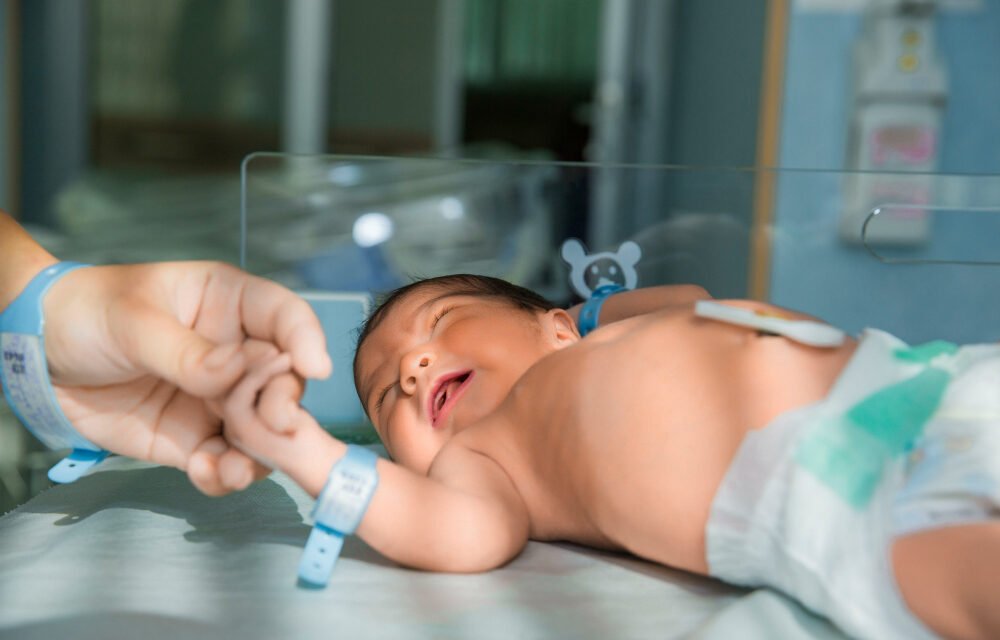
treatment is phototherapy, in which the infant is exposed to specific blue lights that aid in the skin’s breakdown of
bilirubin. In more serious situations, an exchange transfusion—in which donor blood is used to replenish the baby’s
blood—might be necessary. Keeping the infant nourished and hydrated aids in the removal of bilirubin through feces
and urine. It may be recommended to use formula as a supplement or to improve feeding practices in situations of
nursing jaundice and these are the Best Tips for Pregnant Women.
When treated properly, the majority of newborn jaundice instances go away without any problems. Parents and other
caregivers must, however, keep a close eye on the infant and seek medical advice if symptoms develop or continue.
For the newborn to have a healthy start, early diagnosis and treatment are essential.