Glowing Beginnings: Preventing Jaundice from the Womb
Prenatal care is so important for mother as well as newborn. It help to preventing jaundice from the womb and in newborns after delivery. For this pregnant women can take multiple proactive steps during pregnancy to support their loving baby’s liver development and overall health. In some cases of infants jaundice are common and not entirely preventable, the following exercise may decrease the risk or severity:
Keep your Diet Healthy
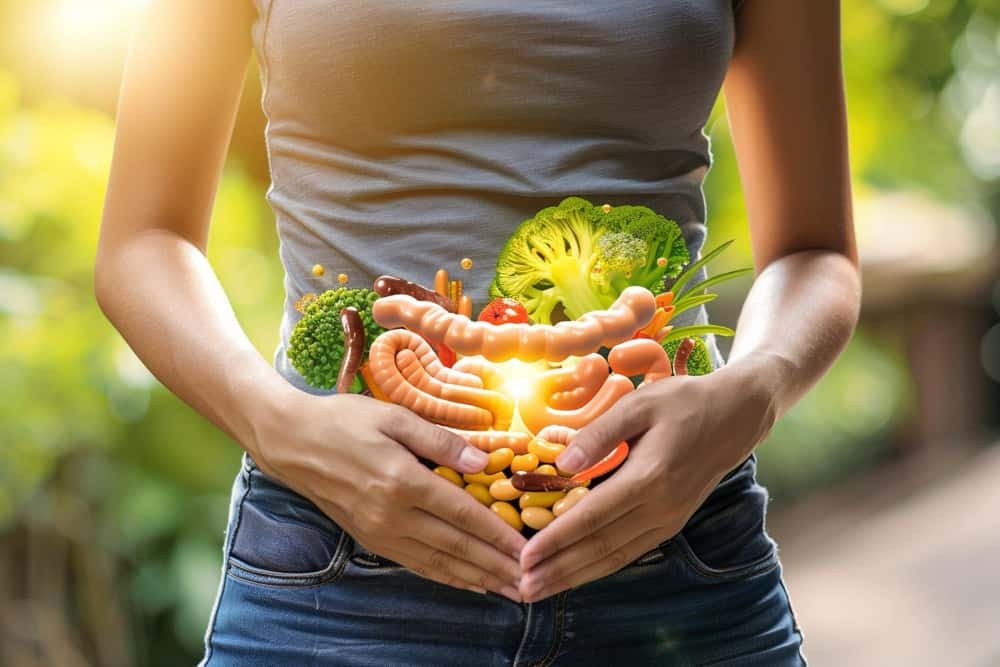
Balanced diet for pregnant women is essential for all perspective. Balanced diet which should be rich in vitamins and minerals, especially those that support liver function, such as: Folate (vitamin B9) – found in leafy greens, beans, and citrus fruits, Vitamin D – from fortified foods, sunlight, and supplements and Iron-rich foods – such as spinach, lentils, and lean meats to prevent anemia.
Avoid alcohol, tobacco, and harmful substances, which can damage the baby’s developing liver.
Keep an Eye on Blood Type Compatibility
Test of Rh factor and ABO blood group incompatibility is essential for mother as well as infants. It analyse the level of haemolytic jaundice in the new-born. If the mother is Rh-negative and the baby is Rh-positive, the doctor may recommend Rho(D) immune globulin injections to prevent antibody formation that could harm future pregnancies.
Spot on for Infection Treatment
Infections like hepatitis B, toxoplasmosis, rubella, or cytomegalovirus during pregnancy can increase the risk of liver issues in the baby. Early detection and treatment are essential.
Prenatal Check-Ups
Regular prenatal visits help monitor maternal and fetal health. Screening for gestational diabetes, thyroid disorders, or liver conditions (like cholestasis of pregnancy) is important, as these may affect the baby’s liver development.
Ensure Adequate Hydration and Rest
Staying well-hydrated and reducing stress levels during pregnancy supports maternal metabolism and fetal health.
Plan for Early Breastfeeding
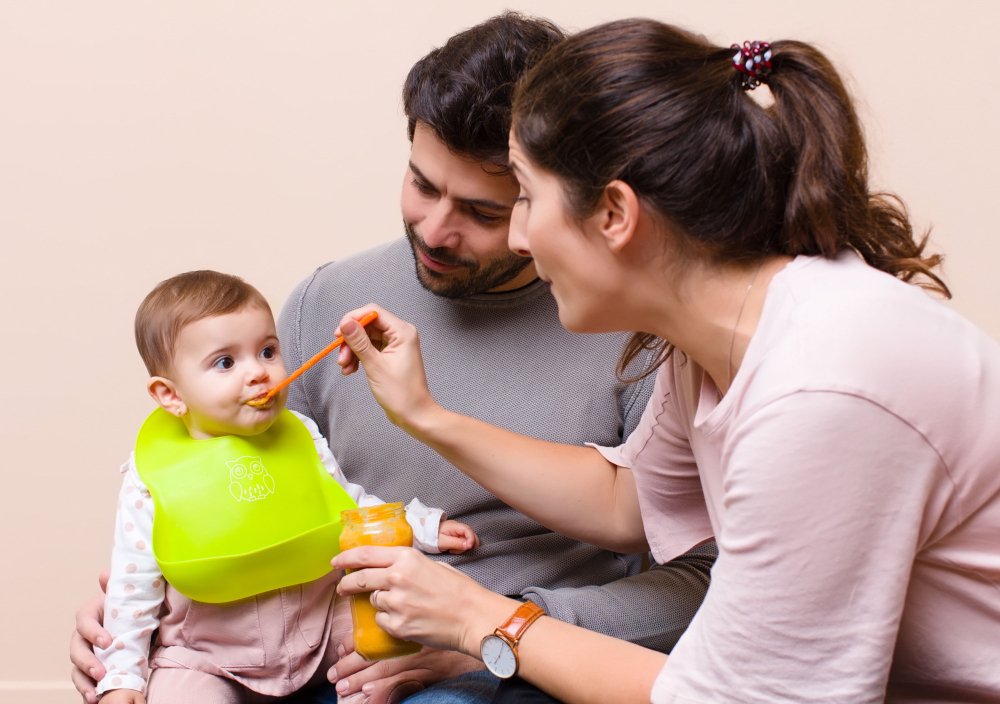
While this is after birth, planning and preparing for early and frequent breastfeeding helps the baby pass meconium (first stool), which helps eliminate bilirubin naturally.
In summary
While not all cases of neonatal jaundice can be prevented, pregnant women can reduce risks by maintaining good prenatal care, a nutritious diet, avoiding harmful substances, and staying informed about their health conditions. Regular communication with healthcare providers ensures a safer pregnancy and a healthier start for the baby.
Also Read: Significance of Zinc in Pregnant Women