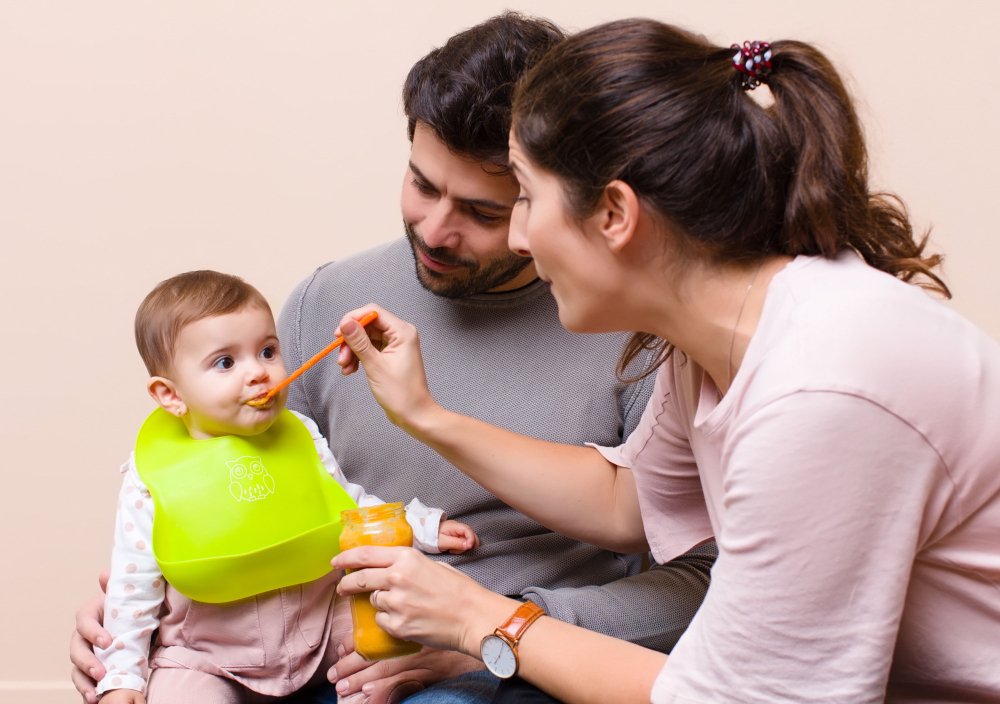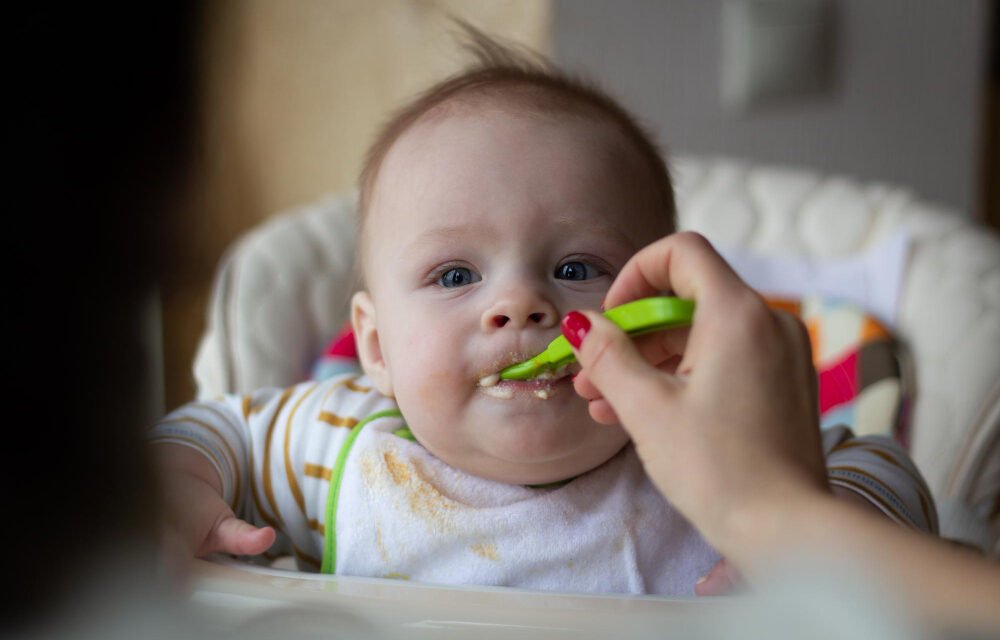
Food Allergies can be a serious when your baby begins eating solid food, so it’s important to manage them to protect your child’s health and well-being.
By gradually introducing common allergenic foods, you can identify potential allergies early and may even lower the risk of them developing long-term food allergies.
Recognizing Common Food Allergies
Certain foods can trigger allergic reactions in infants. Additionally, It is essential to introduce these foods gradually and monitor for any indications of an allergic reaction.
- Cow’s milk
- Eggs
- Peanuts
- Tree nuts
- Fish
- Shellfish
- Wheat
- Soy
- Sesame
Keep in mind that while some infants develop allergies to these foods, others do not.
Experts recommend introducing solid food when your baby is around six months old.
Timing the Introduction of Allergenic Foods
Experts advise introducing solid foods to infants around six months of age.
Delaying the introduction can increase the risk of allergies.
Experts recommend presenting common allergens to your child before they reach one year of age, ideally starting around six months.
Strategies for Introducing Allergenic Foods Safely
When introducing a new food, especially an allergen, offer it over 3 to 5 days.
Start by giving your baby just a tiny taste any allergy responses. If everything seems okay, you may slowly increase the serving size.
For example, even a small spoon tip is enough, such as 1/4 tablespoon, and observe your baby for anything unusual of allergies.
Monitoring for Reactions
Moniter your baby closely after introducing a new food.
Watch for symptoms such as rash, facial or lip swelling, vomiting, or change in behavior.
If any of the symptoms appear, stop giving the new food and contact from your pediatrician.
In rare instance, reactions such as anaphylaxis may occur, necessitating urgent medical intervention.
Read Also:
Emergency Preparedness in Navigating Food Allergies
Always be prepared for a serve allergic reaction. Work with your child’s healthcare provider to create an emergency action plan.
This plan should include a list of emergency contacts, the location of emergency medication, and detailed instructions on how to manage an allergy reaction.
Distribute this plan to caregivers, educators, and anyone else involved in your child’s care.
Educating Your Child About Food Allergies
Before introducing allergenic foods, especially if your infant has a family history of allergies or conditions like eczema, consult your pediatrician.
They are furnished to offer individualized recommendations and guidance suited to your child’s specific requirements.
Conclusion
Managing food allergies is essential when starting your baby on solid foods. With careful planning and vigilance, you can provide safe and nutritious start.
Track any reaction, introduce allergens gradually, and consult your pediatrician if needed.
Being informed and energetic now sets the stage for your child’s future health. Start this journey with confidence and enjoy this exciting phase.
Also Read: Common Baby Food Allergies and How to Identify Them Early