Fun Games That Enhance Cognitive Skills in Infants
Kids at every age learn about the world not through any classes or lessons. They learn from play. Simple and engaging fun games like peekaboo are more than just entertainment. They are powerful and affecting games that develop the brain and enhance cognitive skills. During the initial year of life, a baby’s brain develops speedily. In this time the brain formed connections that shape future learning, memory, and problem-solving abilities. By including playful fun games into your daily routine, you can help your infant develop important cognitive skills naturally and enjoyably.
Peekaboo: A Classic Game with Big Benefits
It looks funny and seems like a silly game but Peekaboo teaches an important concept called object permanence. The understanding that people and objects continue to exist even when out of sight. Around 6 to 9 months of age, babies begin to grasp this idea. Every time when you hide your face and then reveal it with a joyful “Peekaboo!”, you help your baby strengthen memory, predictability, and emotional responses like surprise and delight.
Beyond just giggles, peekaboo promotes social interaction, attention span, and visual tracking, as your baby follows your movements and anticipates your return.
Copycat Games: Building Memory and Observation
Copying is a key part of infant learning. Make a sound with funny faces and encourage your baby to mimic it. Clapping hands, sticking out your tongue, or waving “bye-bye” helps babies sharpen observational skills, memory, and motor coordination.
Over time, they’ll begin to repeat actions on their own, which is a sign of growing cognitive independence.
Hide and Seek with Toys
Hide and seek games with babies encourages problem solving skills. Hide a toy under a cloth or behind your back and encourage your baby to find it. It supports the concept of object permanence. In the beginning start with partially hidden toys and slowly slowly to fully covered ones as your baby’s understand the game.
This game also boosts curiosity and persistence, which are key features for future learning.
Cause and Effect Play
Games that involve buttons, sounds, or movement—such as pressing a musical toy or dropping a ball into a box—teach babies about cause and effect. They learn that their actions have consequences, an important foundation for logical thinking.
You can also create your own cause-and-effect experiences. For instance, shake a rattle after your baby kicks or claps to show them that actions can lead to reactions.
Stacking and Sorting Fun Activities
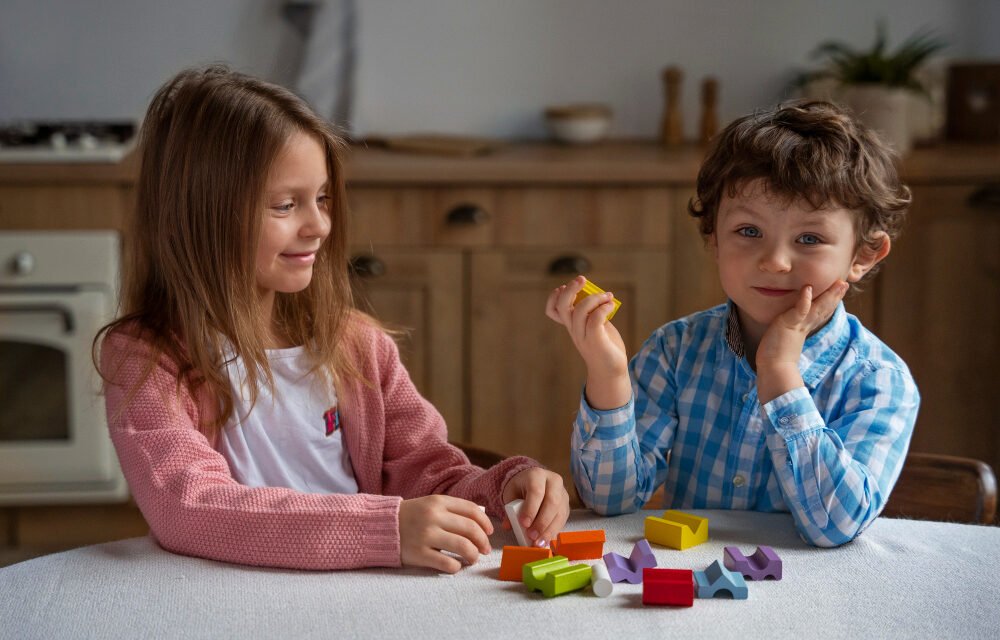
Though fine motor skills are still developing, babies love stacking cups or playing with nesting toys. These activities help build spatial awareness, hand-eye coordination, and problem-solving abilities. You can also offer safe household items like plastic containers or measuring cups for stacking fun.
Sensory Play
Let your baby explore different textures, sounds, and shapes with age-appropriate sensory toys. Feeling a soft cloth, listening to a crinkly book, or squeezing a squishy ball enhances sensory integration and cognitive processing.
Final Thought
Games like peekaboo may seem simple, but their impact on infant development is profound. Each playful interaction is a moment of learning, helping your baby understand the world and build essential thinking skills. So next time you play a silly game with your little one, remember—you’re not just having fun, you’re nurturing a growing mind.
Also Read: Smart Parenting: Routines that Support Infant Brain Growth