Fuel Your Body Right is Daily Diet Essentials for Seniors
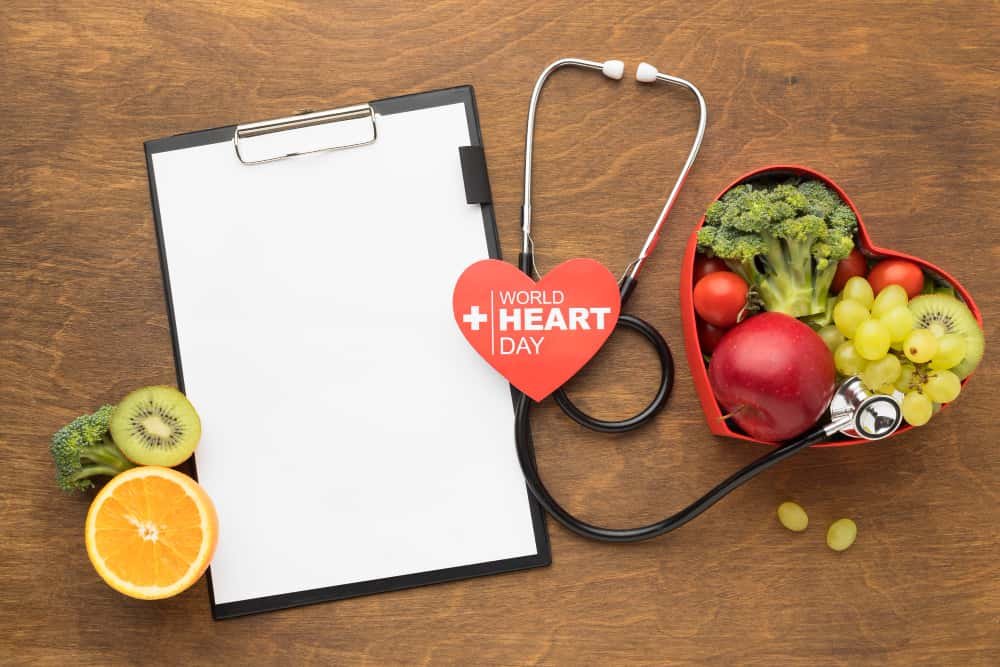
Getting older means your nutrition priorities change. Daily Diet Essentials for Seniors because their body starts asking for different things—energy, muscle support, strong bones. Begin with basics. Whole foods. Real foods. Let them anchor your meals. Imagine your plate as a blank page. Fill it with color—fruits, veggies, the works.
Embrace the Rainbow of Fruits and Vegetables
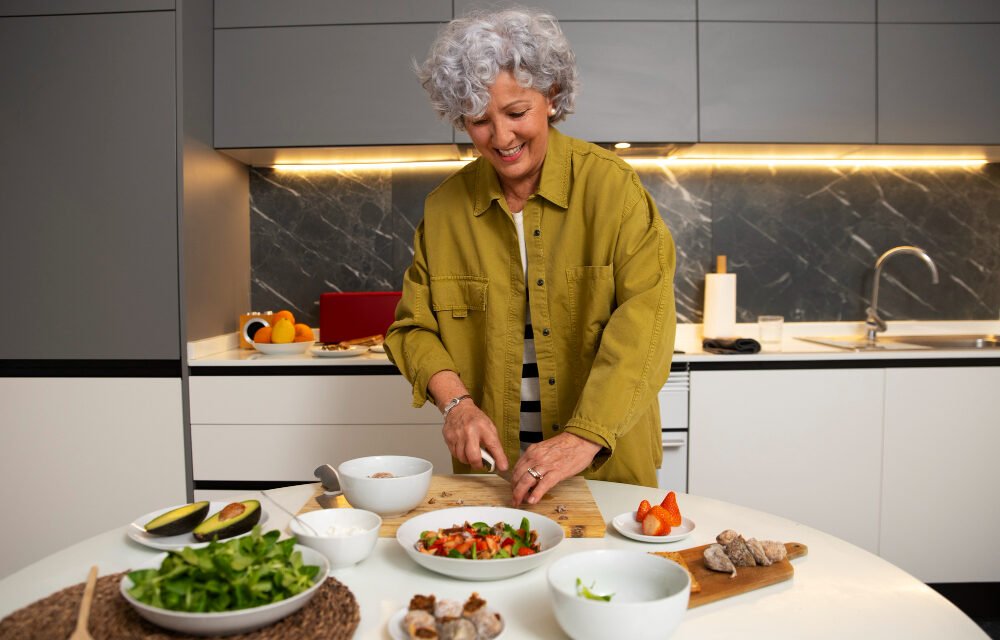
Pile on the fruits and vegetables. Go for a mix—rainbow on your plate. Each color brings a different nutrient set. Five servings a day: that’s your target. Simple, right? At breakfast, toss spinach and bell pepper into eggs. Mix berries and a sliced banana into oatmeal. For lunch, prep a salad that bursts with color.
Prioritize Protein Power is a Daily Diet Essentials for Seniors
Protein matters. Muscles shrink and weaken as time passes, but you can push back. Add protein to each meal. Lean meats, chicken, fish—classic choices. Eggs, beans, lentils, tofu—plant-based options. Snacks count too. Greek yogurt or a protein shake works.
Also Read: Dandruff with Amla: Say Goodbye with These Hair Care Hacks
Choose Whole Grains
Ditch refined grains. Whole grains give you more. More fiber for digestion and satiety. Better for blood sugar control. Choose whole-wheat bread, brown rice, quinoa, oats. When you read ingredient lists, whole grains should come first. Small switch, big impact.
Embrace Healthy Fats
Don’t fear fats. Just be selective. Healthy fats fuel your brain and help vitamins do their job. Use avocados, nuts, seeds, olive oil. Cut back on saturated and trans fats—think less processed, less fried.
Hydrate Regularly is a Daily Diet Essentials for Seniors
Water matters more than you think, especially now. Drink regularly. Carry a bottle. Take sips throughout the day. Hydration isn’t all about water; fruits and veggies count, too. Not a fan of plain water? Drop in lemon, cucumber, or berries for a hint of flavor.
Limit Added Sugars and Sodium
Keep an eye on added sugars and sodium. Too much sugar can lead to weight gain and other health problems. High sodium can push your blood pressure up. Check food labels—not just for sugars, but for sodium hiding in plain sight. Be curious. Cooking at home gives you more control over your meals.
Plan Your Meals
Think ahead. Plan your meals before the week starts. This one step can help you eat better and make fewer snap decisions at the store. Write out a weekly menu. Make a list before shopping. Batch-cook when you can—future you will thank current you.
Consider Supplements
Not sure if you need extra vitamins? Ask your doctor. Seniors often look at vitamin D, calcium, and B12 as common options. But it’s not one-size-fits-all. Confirm what’s right for your body and your needs.
Make it a Lifestyle
Healthy eating goes beyond a quick fix. It’s part of your routine. Make small, lasting changes. Enjoy what you eat. Try new recipes. Find pleasure in your food, every day.
Also Read: “Dental Health Tips: From Milk Teeth to Molars for Every Age”