Stronger Bones After 40: Calcium Tips for Women in Menopause
Women’s hormone levels fluctuate as they get closer to and through menopause. The body feels the impact of Stronger Bones After 40. The most noticeable of these gains is in bone health. Calcium is one mineral that is necessary for this process. In this piece, let’s trace why calcium matters so much for women over 40, especially before and after menopause, and how to keep those daily levels steady.
The Role of Calcium in Bone Health
Calcium is the foundation of bones. It provides them with their basic strength and structure. But in addition to bones, it is vital for blood, muscles, and neurons. Menopause adds a sense of urgency to the need for women to maintain their calcium consumption throughout their lifetimes. Why? Because dropping estrogen levels change everything. Estrogen slows bone loss. When it falls, bone loss picks up speed. Fragile bones—and osteoporosis—become more likely. Weak bones mean higher fracture risk.
The Impact of Menopause on Calcium Levels of Women Stronger Bones After 40
Menopause tends to arrive between ages 45 and 55. A new chapter begins. The ovaries make less estrogen, and this change affects how well calcium is absorbed and used for bone maintenance. Less estrogen means less efficient calcium absorption. It also means faster bone loss. The result: bones thin out, and the chances of a break—especially in the hip, spine, or wrist—go up.
Also Read: Busy Life Healthy Plate: Diet Trends for Working Professionals
Recommended Calcium Intake for Women Over 40
Women aged 51 or older should aim for 1,200 milligrams of calcium each day. That’s more than younger women need—it reflects the greater demand post-menopause. But calcium works best with a partner: vitamin D. Vitamin D helps the body take in calcium. It can be acquired by sunshine, supplementation, or food.
Dietary Sources of Calcium for Stronger Bones After 40
There are many typical foods that are high in calcium that women can include in their meals:
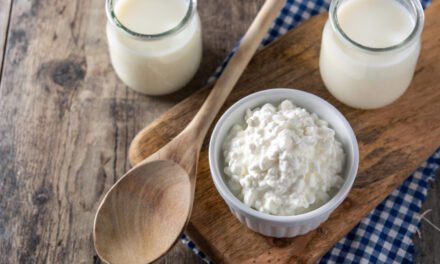
- Dairy Products: Calcium is abundant in milk, cheese, and yogurt.
- Leafy Greens: Calcium-rich foods include kale, spinach, and collard greens. The exact amount depends on the kind.
- Fortified Foods: Plant-based milks, certain cereals, and some orange juices are among the foods that commonly contain calcium. Look at the label.
- If the fish has edible bones, eat the bones from canned salmon or sardines. That’s where the calcium is concentrated.
- Nuts and Seeds: Almonds, chia seeds, and sesame seeds are good sources of calcium, but they don’t have as much as dairy.
When and How to Use Calcium Supplements
Getting your calcium from food should be the aim. Sometimes, however, a supplement is needed to fill the gap. The two main options are calcium carbonate and calcium citrate. Calcium carbonate is commonly accessible and reasonably priced. Take it with food to increase absorption. Calcium citrate is more versatile and can be taken with or without food. Perfect for delicate stomachs. Prior to starting a supplement program, speak with your healthcare provider. Kind and dosage are crucial.
Lifestyle Factors that Support Bone Health
There is more to the story than calcium. Your regular activities also affect your bones:
- Regular Exercise: Weight-bearing exercises like walking, jogging, and dancing help to build bone strength.
- Vitamin D Intake: Sunlight, diet, or supplements—all can help you reach healthy vitamin D levels.
- Avoid Smoking and Excessive Alcohol Consumption: Both hurt your bones over time.
- Maintain a Healthy Weight: Being underweight puts your bones at risk.
Conclusion of Stronger Bones After 40
Calcium matters, especially for women over 40. Strong bones rely on it, as well as vitamin D, movement, and healthy routines. Together, these steps lower osteoporosis risk and keep bones resilient. By learning what your body needs, you can make choices that support your bones and your life.
Also Read: Cardamom’s Amazing Health Tips Benefits: The Queen of Spices