Art Therapy for Mental Health: How Painting Reduces Stress and Anxiety
Unleashing Calm: The Power of Painting
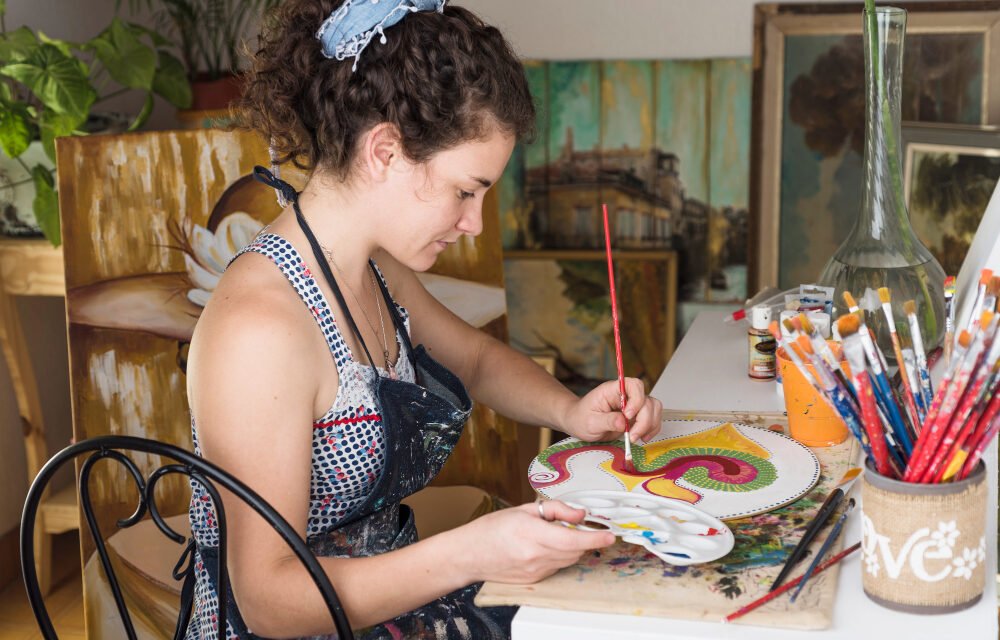
Painting is more than a way to pass the time. It’s a tool for art therapy for mental health. A solid, dependable method for easing stress and anxiety. When you move a brush across a canvas, or draw a line on a page, you step outside the daily rush. For a moment, it’s just you and the act of making something. Screens fade out. Noise quiets. You re-center. This isn’t just a nice idea. It’s real therapy that speaks to your mind and emotions.
Also Read: Five Daily Activities to Support good Mental Health
The Science Behind the Brushstrokes
It’s not just what people say—science supports it. Paint, and your brain sends out dopamine. That’s the chemical tied to pleasure and reward. It brings a subtle lift, a sense of happiness and satisfaction, right there with you. Meanwhile, painting lowers cortisol, the stress hormone. Your body relaxes. Tension drops away. The shift is physical, but the relief feels personal.
A Mindful Practice of Art Therapy for Mental Health
Painting also invites mindfulness. You focus on colors, textures, shapes. You tune into the now. That focus drowns out the mental noise. The endless what-ifs and should-haves go quiet. You land in the present, connected to what’s in front of you instead of what’s behind or around the corner. That’s the benefit. A pause from too much thought. It helps break the cycle of worry.
No Experience Necessary of Art Therapy for Mental Health
Here’s another plus: you don’t have to be an expert. Skill doesn’t matter in this space. The value is in doing. In exploring and expressing, not in getting it “right. ” You can drop the perfection. You can enjoy the freedom in just making something. No pressure. Just process. It works whether you’re new or practiced—everyone gets the same sense of relief.
Finding Your Artistic Sanctuary of Art Therapy for Mental Health
Start with the space. You need a spot that signals: this is where art happens. No fancy studio needed. Just a corner, a table, a clean patch of floor. Gather your supplies—paints, pencils, pastels—whatever calls to you. Set a time. Could be five minutes, could be thirty. The point is to show up, not to plan the perfect block.
Begin. That’s it. Don’t get lost in your head. If your hand hovers, let it move. Try blues you wouldn’t pick. Try lines that wander. See where they go. If it doesn’t work, leave it. If it stumbles into something new, keep going.
Mistakes matter. They teach. Keep them close and learn. Notice what calms you—maybe it’s the sweep of color or the texture of paper. Over time, this routine can morph. It can stop being just a pastime and become a tool. Your tool for steadiness. For quiet. For a pause.
Also Read: Best Yoga Asanas for Mental Health Stress and Anxiety Relief