Eco-Conscious Lifestyle: Sustainable Home Decor Tips
Introduction of Eco-Conscious Lifestyle
Eco-Conscious Lifestyle home design isn’t a fleeting trend—it’s a shift. A choice. It’s how everyday actions shape a better world, room by room. With smart choices about what you bring into your space, you cut your carbon footprint.Thanks to you, the earth breathes a little easier. These easy-to-implement suggestions will help you incorporate sustainability into your interior design.
Also Read: Home Decor on a Budget: Daily Essentials for Well-Managed Home
Choose Sustainable Materials
Materials are crucial. What you bring home affects not just your neighborhood but the entire world. Make recycled and renewable decisions. Think low-impact.
- Wood: Choose wood from forests that have been sustainably certified by groups like the Forest Stewardship Council (FSC) and are maintained properly. Wood that has been repurposed? Even better. It tells a story and reduces waste.
- Bamboo: Rapidly grows and regenerates. Great for floors. holds true for furniture. dialects, even. It grows back quickly and leaves less scars on the ground.
- Cork: Harvested safely from live trees. sustainable, unique, and long-lasting. Use cork for little items, walls, or flooring.
- Utilized Resources: Accept décor made from recycled glass.
- Natural Fabrics: Go for materials like organic cotton, wool, linen, or hemp. They break down naturally. They use fewer chemicals. Better for you. Better for nature.
Reduce, Reuse, and Repurpose of Eco-Conscious Lifestyle
Simple principles—reduce, reuse, repurpose—drive sustainable home design. Think before you buy. Can you use what you have?
- Reduce Consumption: Pause before acquiring. Do you need it? Streamline your place by selling or donating what no longer serves you.
- Reuse Existing Items: Give old things a new spin. Paint over, refinish, or reupholster instead of replacing. Sometimes all it takes is a tweak.
- Repurpose Items: Creativity changes objects. Transform an old ladder into a bookshelf. Turn doors into tables. Mason jars? Perfect vases. Old can become new again.
Embrace Energy Efficiency
Increasing the energy efficiency of your house is a crucial part of sustainable living. small steps. substantial impact.
- Energy-efficient lighting can be achieved by switching out incandescent light bulbs with LEDs. LEDs use less energy. They also have a longer lifespan.
- Choose Energy-Saving Devices: Look for the Energy Star emblem when purchasing appliances. It signals they’re built to save energy.
- Improve Insulation: Good insulation keeps your home’s temperature in check. You use less heating and cooling.
- Use Natural Light: Bring in more sunlight. Light-colored curtains and well-placed mirrors help reflect and spread that light.
Support Local and Ethical Brands
Supporting local makers and ethical brands can help both your community and the environment.
- Buy Local: Get your décor, furniture, and art from nearby artists and shops. You’re cutting down on transport emissions and backing your own community.
- Choose Ethical Brands: Pick businesses that are honest about their suppliers. Look for companies that use responsible production and ethical labor practices.
- Consider Buying Used and Vintage Items: Search online or in thrift and antique stores for unique stuff. Buying old cuts down on waste.
Incorporate Greenery
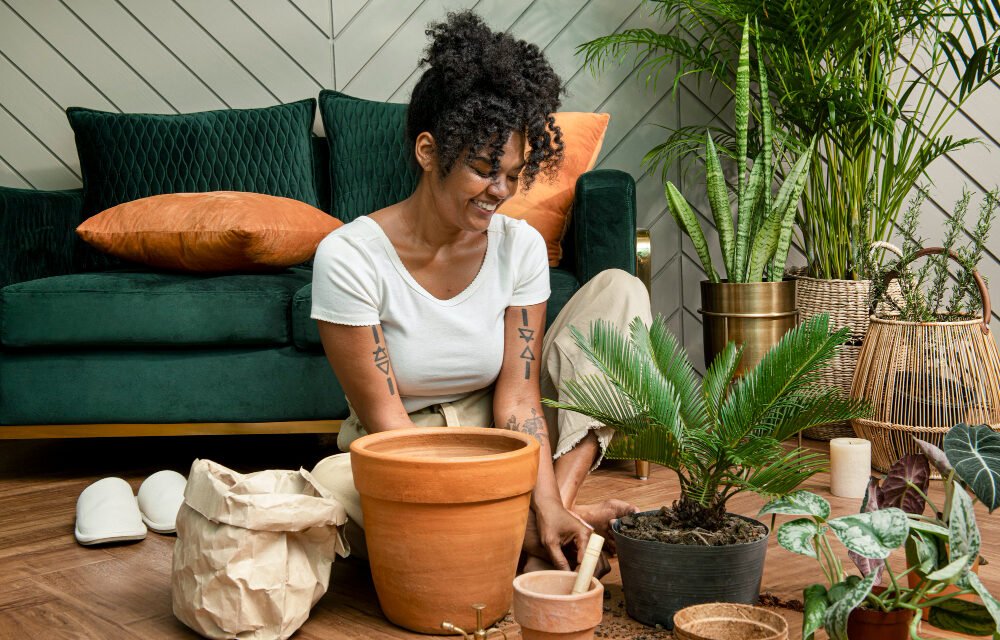
Nature indoors is more than decoration. Plants improve air and boost your sense of well-being.
- Indoor Plants: Bring in houseplants to clean the air and create calm. Opt for easy-care options that suit your space.
- Vertical Gardens: Try a vertical garden on a wall or balcony. This saves room and adds a green touch.
- Natural Elements: Use items like shells, driftwood, or stones as part of your décor. These things provide a link between your home and the outside world.
Little things add up. Each one builds a home that embodies your values and helps protect the environment. Even the smallest choice matters.
Also Read: Essential list should replace at least once in a year for Home Decor