The magic of ghevar in sawan
Sawan, or Shravan, is more than the Indian monsoon season—it’s a holy period infused with worship, tradition, and health. This sacred month belongs to Lord Shiva and is a time of fasting, prayer, and festivity. Spiritually, it’s about reuniting with the divine. Culturally, it’s about bonding as families and communities. Dietarily, it’s about aligning the body with seasonal nutrition.
In the heart of this season lies a sweet delight that’s more than just a dessert—Ghevar in Sawan. This honeycomb-textured delicacy is not merely about taste but is deeply tied to Ayurveda, festive rituals, and emotional bonding. In this blog, we’ll explore how Ghevar in Sawan goes beyond the plate—nourishing not just the body but the soul too.
Also Read: Raisins Disadvantages: 4 People Who Must Avoid Them
Let’s begin with how culture wraps this sweet in festive joy.
Cultural importance of ghevar in sawan
Ghevar in sawan and teej celebration customs
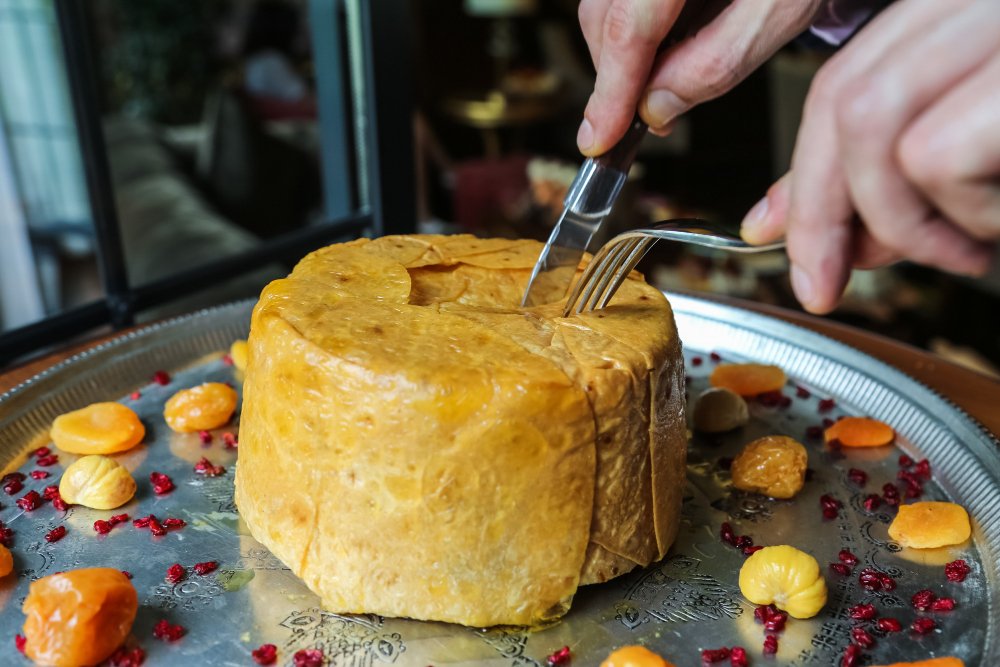
Firstly, Ghevar in Sawan becomes the center of attraction during Hariyali Teej, a celebration of marital happiness and femininity. Traditionally bestowed upon married daughters by in-laws, Ghevar signifies boon and prosperity. The round shape and golden color of the sweet embody completeness and richness in relationships.
Not only Teej, this sweet enters Raksha Bandhan thalis too, reinforcing the bonds of siblings. Even during Sawan Somwars, when women fast for Lord Shiva, Ghevar is shared as Prasad—a symbol of divine blessings and family love. These traditions are particularly prevalent in northern India—Rajasthan, Delhi, Uttar Pradesh, and Haryana—where women lovingly make and share Ghevar as a part of their festival traditions.
Why ghevar in sawan marks auspiciousness
Additionally, making an offering of Ghevar to gods during Sawan is a very auspicious act. As a fruit of prosperity, this dessert is said to pull in good energies and marital bliss. Devotees in the temple present Ghevar as an offering to Lord Shiva and Parvati, and thus culinary bliss meets spiritual fervor. The golden disc turns into more than just food—it turns into a symbol of good wishes.
The ayurvedic essence of ghevar
Cooling ingredients in ghevar
Ayurveda, the ancient Indian science of life, wonderfully describes why Ghevar in Sawan is appropriate for the season. The monsoon makes Pitta dosha—the fire element of the body—tend to become worse, resulting in irritability, skin problems, and digestive problems. Luckily, Ghevar is prepared using ingredients such as ghee, milk, saffron, and cardamom—all reputed to soothe Pitta.
These ingredients have a relaxing effect on the body, particularly when there is internal heat and humidity. Thus, the sweet not only satisfies your palate but also aids in regaining inner balance.
Digestive properties of ghevar
Interestingly, Ayurveda suggests eating sweets prepared using clarified butter (ghee) during Sawan or the monsoon. Why? Because ghee supports digestion, nourishes digestive fire (Agni), and maintains your gut strong amidst changing weather conditions. When consumed in moderation, Ghevar acts as a digestive friend, rather than a hindrance. This balance is what turns Ghevar into an Ayurvedic wonder, rather than a celebratory indulgence.
Ghevar in sawan as a seasonal superfood
Ghevar in sawan and immunity enhancing components
Another significant feature is the immunity-enhancing quality of this treat. Components such as saffron and cardamom are not simply used to add aroma—they repel infection and boost mood. Ghee, meanwhile, gives the body vital healthy fats that provide strength and stamina, particularly when the body is vulnerable to the colds and weakening of a changing season.
Thus, instead of being a guilty pleasure, Ghevar in Sawan becomes a time-honored superfood with healthy benefits.
Ghevar in sawan assists to ground emotions
Let’s not overlook the emotional component. Monsoon may sometimes bring about mood swings or seasonal depressions. That’s when Ghevar acts as a comfort food. Its smooth, creamy texture and accustomed festive flavors have a grounding quality to it. It reverts us to home, love, and warmth—calming not merely the palate but also the heart.
Latest ayurvedic innovations in sawan ghevar
How to prepare healthy ghevar in sawan at home
In the health-aware world today, you don’t need to bid adieu to Ghevar. New-age Ayurvedic recipes permit a tasty makeover. For example, using organic jaggery instead of refined sugar syrup can reduce the glycemic load while infusing a deep flavor.
Adding chopped almonds, pistachios, and even pumpkin seeds as a topping increases the nutrient content as well as the crunch. Thus, Sawan’s Ghevar becomes a conscious indulgence your body is grateful for.
Vegan gluten-free options of ghevar
Worry not, those with special diets. Vegan and gluten-free versions of Ghevar are not only doable but also delicious. Refurbished wheat flour can be substituted with almond flour or oats flour, and plant-based ghee alternatives such as coconut oil or nut butters fit the bill just fine without desecrating the spirit.
These makeovers preserve the essence of Ghevar in Sawan while opening it up and making it health conscious.
Mindful eating traditions with ghevar in sawan
When and how to consume ghevar in sawan as per ayurveda
Ayurveda is not only concerned with what to eat but also when and how. The best time for having Ghevar is mid-morning or lunch when digestive fire is highest. Consuming sweets at late evenings, however, causes indigestion and sleep problems.
So, enjoy Ghevar in Sawan when your body is prepared, not when mindless cravings arise.
Ghevar in sawan and satvik dining habits
Adding Satvik values—eating in peace, with gratitude, and with loved ones—makes the experience even more special. Ghevar served together at a family meal, eaten leisurely, and given first as Prasad, becomes an act of worship and not indulgence.
Emotional healing and spirituality
Ghevar in sawan and memories close to the heart
Nostalgia permeates Ghevar . The majority of people remember their mother making it or getting it from their maayka (maternal household) on Teej. Such recollections and reminiscences raise the sweet above calories—it becomes a strand of remembrance, interwoven with feelings, chuckles, and heritage.
Ghevar in sawan as food for the soul
Finally, the sweetness of Ghevar is a reflection of the sweetness of life. Whether a celebration, a prayer, or a time to rest, Ghevar brings joy and meaning. Its position as Prasad, as a gift, or comfort food makes it more than a dessert—it becomes soul food.
Conclusion: ghevar in sawan — a divine ayurvedic blessing
In conclusion, Ghevar is a stunning blend of cultural heritage, seasonal health, emotional connection, and divine beauty. It’s not something that we merely eat—it’s something that we sense, share, and cherish.
So, this Sawan, greet the wonder of Ghevar with your mouth, yes, but also with your mind and heart. Savor it slowly, prepare it healthily, and relish it happily.
Ayurvedic Tip: Always have sweets such as Ghevar accompanied by warm herbal teas such as fennel or cardamom to help digest and soothe the senses.
Make each bite of Ghevar remind you of life’s sweetness, grounded in nature, tradition, and love.
Also Read: Gut Health Alert: Not Every Fruit Is Your Friend