Best Exercises to Boost Skills in Young Children and Coordination
Young Children and Coordination isn’t just for athletes—it’s core to childhood. Think tying laces, climbing stairs, catching a ball on the playground. All rely on moving different parts of the body in sync. Kids who build coordination early gain a platform for tackling sports, learning new skills, and, often, just feeling good in their own skin. If you’re looking to help a child develop this foundation, exercises matter. They offer practical, repeatable ways to grow stronger. Here’s where to start:
Also Read: Calcium for Kids: Strong Bones and Healthy Growth for Development
Gross Motor Skills Exercises
Gross motor skills come first. They’re about the big movements. Legs in action. Arms swinging. Bodies leaping. These movements are building blocks for everything else.
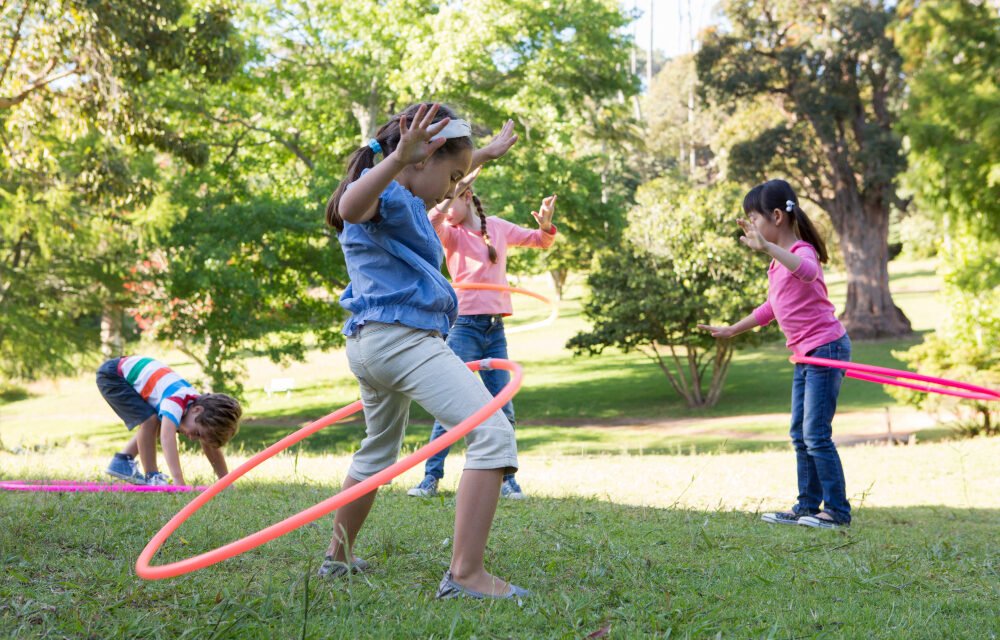
- Running and Jumping: Let them go, feet pounding, legs springing. Obstacles make it fun cones to dodge, hoops to hop. Don’t keep things static. Change the course. Make the jumps bigger, the sprints longer. Watch them grow bolder.
- Balancing: Show them a straight line drawn on the ground—a balance challenge. Maybe a beam or a curb will do. Add variety. Heel-to-toe steps. Balance while carrying a stuffed animal. Simple, then harder with time.
- Throwing and Catching: Use balls—big, small, heavy, light. Focus on control, not speed. At first, short distances. Later, farther apart. Targets to aim for; hands working together to catch. Progress is steady.
- Climbing: Send them up playground equipment. Jungle gyms. Ladders. Climbing means pulling, pushing, balancing. This builds muscle, and, more importantly, confidence.
Fine Motor Skills Exercises
Fine motor skills are about precision—the small muscles in hands and fingers. Think writing, buttoning, cutting. Small actions, big impact.
- Drawing and Coloring: Offer markers, crayons, fresh paper. Have them draw, color, scribble, trace. Switch up the paper—sometimes large, sometimes bumpy—keep things interesting.
- Cutting: Hand them child-safe scissors. Guide their hands along simple lines at first. As they practice, offer new shapes—a circle, a zigzag. Skills grow gradually.
- Building with Blocks: Blocks stack and tumble. Shapes combine to form houses or towers. Kids learn to place one piece on another, eyes tracking hands, minds anticipating patterns. Coordination rises, one block at a time.
- Playdough and Clay: Give lumps of dough or clay. Encourage rolling, pressing, shaping. Fingers squeeze and stretch. Muscles strengthen through play.
Games and Activities for Young Children and Coordination
Games transform exercise for young children. Energy and engagement go up. Resistance goes down.
- Simon Says: Classic, but purposeful. Prompt kids to touch elbows, hop on one foot, spin—movements that demand coordination and attention.
- Hopscotch: Sketch a simple grid. Invite hopping. Kids practice balance, learn where their bodies are in space. It’s instruction through play.
- Dance and Movement: Put on some music. Any rhythm works. Let children move freely—wiggle, shake, or twirl. Rhythm develops. Confidence grows.
- Obstacle Courses: Use what you have. Pillows to crawl over, lines to balance across, soft balls to toss. Children solve problems, move in new ways, and try again if they stumble.
Tips for Success
- Make it Fun: Find activities children want to return to. Laughter matters. Games, upbeat music, and praise help motivation stick.
- Start Simple: Begin with easy actions. Increase difficulty as they improve. No rush.
- Be Patient: Progress comes with time and repetition. Encourage effort. Celebrate small wins.
- Provide Variety: Mix up activities. New challenges keep interest high and help more skills develop.
- Encourage Practice: Repetition builds ability. Gently remind them—the more they practice, the more they grow.
Also Read: Nutrition for Language Development : Impact on Children