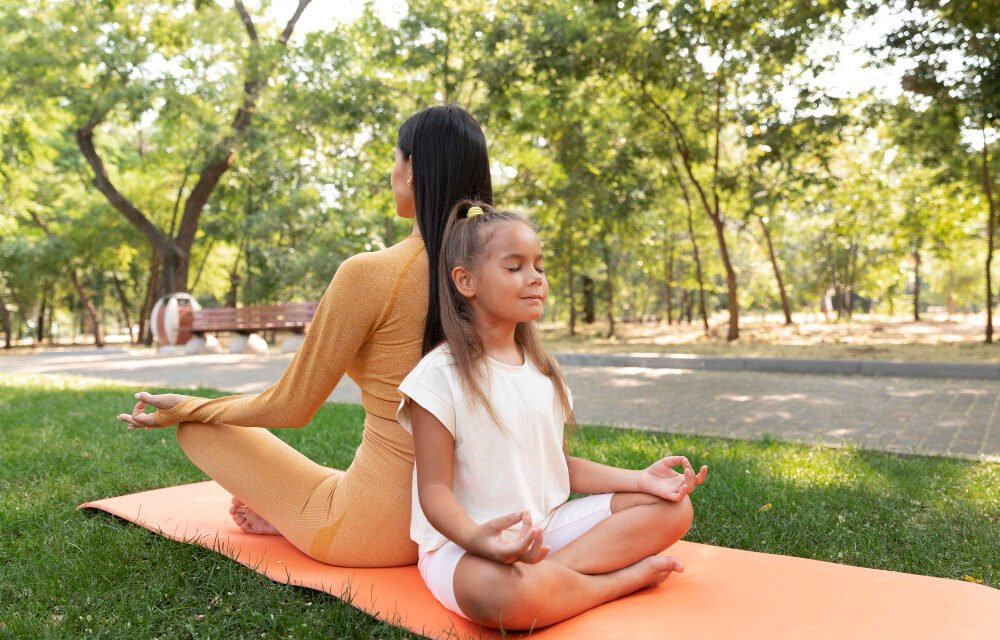
Introduction: Meditation for Children
Meditation for Children isn’t just for grown-ups in yoga pants. Kids, too, face a storm of emotions. Think of meditation as giving your child an anchor a steadying tool for stress and those big, wild feelings. It helps them pause. It builds focus. Over time, it nurtures self-awareness and teaches kids how to respond, not just react. A simple practice, done regularly, can shape the way children see themselves and the world. In short: meditation is a practical skill for emotional balance.
Also Read: Easy Hairstyles That Instantly Glam Up Your Everyday Look
Age-Appropriate Techniques
For Younger Children (Ages 3-7)
Start light. Keep it playful. Use story-driven guided meditations—maybe a trip to a magical garden or a stroll with a favorite animal. The familiar comforts work. Try breath awareness: have them watch a stuffed toy rise and fall with each breath. It’s concrete. Short bursts work best—think five to ten minutes. Make it a game: “belly breathing” lets them place a soft toy on their belly and notice the gentle lift each time they inhale. Suddenly, breathing is fun.
For Older Children (Ages 8-12)
When they’re ready, layer in more structure. Introduce mindful movement—yoga stretches or simple tai chi. Physical activity keeps attention grounded. Encourage them to pay attention to thoughts and feelings, without judgment. Guided meditations can tackle specific challenges, like handling nerves before a test. Stretch the time a bit—maybe ten to fifteen minutes. Teach simple tools: counting breaths or repeating affirmations. Give self-talk a positive frame.
Creating a Supportive Environment on Meditation for Children
Find a quiet, cozy spot—no distractions, low light, comfy temperature. Routine matters: choose a consistent time, like after school or before sleep. Sessions don’t need to be long. Don’t push it. This isn’t a chore. Praise their effort. Keep the mood relaxed. And if you join in, you send a powerful message—this matters, for them and for you.
Tips for Parents on Meditation for Children
Every child is different. Flexibility is your friend. Some kids fidget, lose focus, or giggle. All normal. What matters isn’t perfect stillness but sticking with it. Make meditation a habit—woven quietly into daily life. Listen when your child shares. Your role: guide and support. Watch and witness as they grow, learning how to sit with themselves, one breath at a time.
Also Read: Avoid Wrinkles and Dullness: Must-do Things After 30