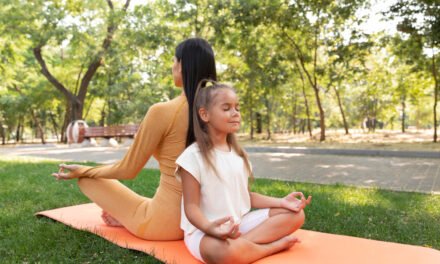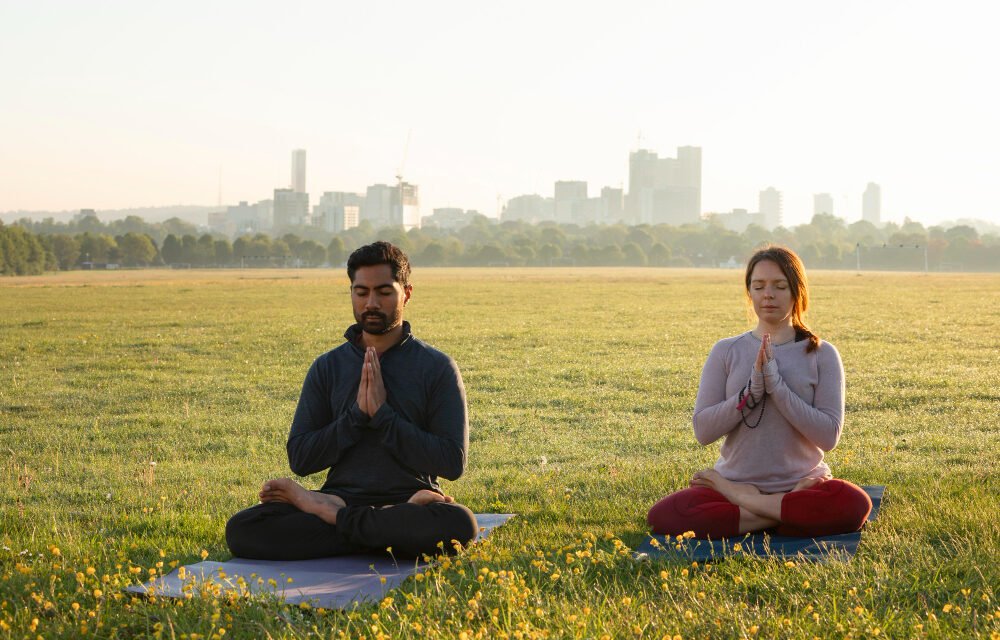
Guided vs Silent Meditation is gaining popularity and attention, as it is known to benefit a person mentally, emotionally and physically. While we do agree about the benefits meditation offers, there is often a struggle, particularly with beginners, in deciding whether to do guided or silent meditation. Each style offers unique benefits, with different approaches that cater to various preferences and personalities. In this article, I’ll explain the key differences between guided and silent meditation. This guide will help you choose the best meditation style to support your beginner practice.
Also Read: Tarot for Self-Love and Relationship Clarity
Understanding Guided Meditation
Guided meditation occurs when a narrator or teacher leads you through the meditation either an application or live sessions. During guided sessions, instructors use breathing cues, visualization, and mindfulness techniques to help you stay focused at each step.
Benefits of Guided Meditation
- Structured Approach: Guided meditation follows a well-thought-out, step-by-step sequence that works well for beginners.
- Supportive Guided Environment: During a guided meditation, you start the self-exploration journey which helps to ease the fear of being alone and unsupported.
- Beginner-Friendly Techniques: Guided sessions often include visual imagery, body scans, and affirmations—techniques that make meditation easier for beginners.
- Reduced Distractions: The narrator’s voice serves as an anchor, helping you refocus when your mind wanders and minimizing distractions.
Silent Meditation Explained
Unlike guided meditation, silent meditation involves no teacher or narration. It encourages you to sit quietly, focus on your breath, and observe your thoughts and bodily sensations. Mindfulness, transcendental, and Zen meditation are also forms of silent or unguided meditation.
Benefits of Silent Meditation
- Self-Discovery: Without external guidance, silent meditation allows deeper exploration and understanding of your own thoughts and emotions.
- Enhanced Concentration: Meditating in silence strengthens focus and independence, helping beginners manage their thoughts without relying on prompts.
- Flexibility: Silent meditation can be done anytime, anywhere—no guides or apps required. This makes it ideal for people with busy schedules.
- Personal Pace: Silent meditation lets you progress at your own pace. Beginners can take as much time as needed for a comfortable, personalized experience.
Choosing the Right Method for You
When deciding between a guided meditation or a silent one, the following aspects must be considered:
- Your Learning Style: If you learn best with structure and verbal guidance, guided meditation suits you. If you prefer introspection and creativity, silent meditation may be ideal.
- Your Goals: Ask yourself what you wish to achieve from meditation. If you want to relax or relieve stress, guided meditation would be more beneficial. For deep self-awareness, silent meditations are more appropriate.
- Time Commitment: Guided meditations usually have fixed durations, which help beginners manage time easily. Silent meditation offers full flexibility—you decide how long to practice.
- Personal Preference: Your comfort matters most. Some beginners feel supported in guided meditation, while others feel empowered by silence. Try both to discover what suits you best.
Combining Guided vs Silent Meditation Methods
For many beginners, a blend of silent works best. Once you become comfortable with guided sessions, it’s easier to transition to silent meditation. This combined method lets you enjoy the benefits of both techniques, enhancing your overall meditation practice.
Conclusion
Guided vs Silent meditation, both guided and silent, has distinct merits for novices. Guided meditation provides structure and support, making it easier to get started. On the flip side, silent meditation enhances self-reflection and focus. Both methods of meditation, guided and silent, cater to individual tastes while also encouraging self-improvement and discipline. This helps in establishing an efficient schedule tailored to one’s meditation preferences.
Also Read: Aura Cleansing with Sound: Singing Bowls, Bells, and Mantras