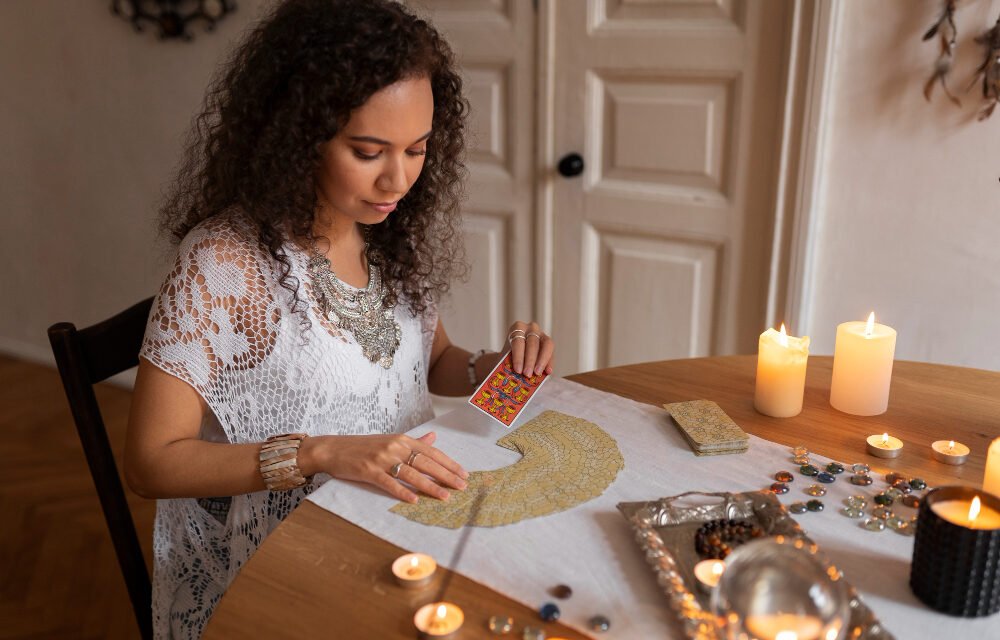
Negative Thought Patterns is one of those guests who makes themselves at home inside your head. They substitute rational thought with dread, convince you that you’re a lousy version of yourself, and generally throw a party for your worst fears. Handing them an eviction notice is therefore a life-hauling necessity, and a surprisingly handy tool for the job is the Tarot deck visible in the cupboard, collecting dust next to the birthday candles. What Tarot lacks in modern clinical polish, it more than compensates for with striking pictures of the very doubts you’re carrying. This essay is a guided menu of Tarot exercises that help you spot the patterns that keep you in a hamster wheel and show you how to kick the entire wheel to the curb.
Also Read: Healing from Heartbreak: How Tarot Can Guide You
Understanding the Problem: Identifying Negative Thought Patterns
Step one is a party invitation nobody wants to send, yet everyone must. Pull a single card that represents the very thought you can hear most loudly on repeat. Lay it down in front of you face-up, for the purpose of taking an honest inventory. Is it the black cloak and skeletal look of the Tower that screams that the worst will always happen? Or is it the indignant, tight-fist posture of the Five of Pentacles, announcing you will always miss the boat? Whatever the card, it’s an honest mirror raising the question that the urgent inside your head can’t: What story are we telling here?
- Using Spreads for Inner Dialogue: Choose a Tarot layout that prompts inner inquiry. The classic “Celtic Cross” offers breadth, while a tidy three-card arrangement—labeled “past, present, future”—yields fast clarity. Center the layout on a concrete question, for instance, “Which limiting beliefs are festering now”?
- Making Sense of the Images: Notice what cards land in the positions. Do they echo earlier draws, or do they spotlight a single, stubborn theme? The “Five of Swords,” for instance, could be a gentle alarm about outworn habits of self-attack, showing where energy dwells on yesterday’s arguments. The Ten of Cups often invites overheated ideals that can slip into fantasy.
- Journaling & Card Ties: Write daily notes after each spread. What arose in the reading? What feelings flashed in the reading? Record the cards, then dive into the stories they trigger. Catch the tendencies that slipped into routine: how did that blame, impatience, or critique get spoken after the reading ended?
Challenging the Negative: Reframing Your Perspective
When a pattern appears, meet it gaze to gaze. That discomfort can nudge new, balanced stories into the mind’s script.
- Language of Symbols: Symbols on the cards can work like thin places between habit and new viewing. Pull the Tower and notice how the towers in your daily world—hasty plans and rigid roles—feel. Stand still in that symbolic aftershock. What voice urges you to restart old structures? That voice is the habit you will name and question.
- Light & Shadows: Every card can shadow a habit and still hold absynth like a blade’s blade. Every depressing scene in the card offers an entrance into allowance. Pull the Nine of Swords, and the dark jagged blade of anxiety shows. Wait. Behind those blades is the silent craving that wants to drink, that wants to share wordless worry and name new morning.
- The Questioning Seed: At the card’s edge ask a seed question. The Tower: How must I unbuild and rebuild tonight? The Empress: Where can I offer myself the quiet I keep outside? Good questions look you in the name and stretch you forward.
Creating New Patterns: Building a Positive Mindset
Shifting away from negative thinking isn’t about stamping out darkness; it’s about inviting light and letting it grow.
- Using the Cards for Affirmations: Pick cards that speak to you with traits you want to grow—maybe bravery, kindness, or quiet strength. Turn those cards into live affirmations. If you pull the “Courage” card, the chant might become, “I breathe bravery into every breath and step forward with confidence”.
- Visualizing Positive Outcomes: Allow the cards to paint bright stories in your mind. Picture the scenario where you fully wear the card’s quality. The appearance of the “Waves” card should be visualized as yourself going with the slow, cleansing force of water–all worries left behind on shore.
- Daily tarot practice: integrating tarot into your everyday life speeds up the process. Every morning, draw one card, whisper its message in your heart and let it tint your day. In this little love ritual, you train your mind to see bad things less and good more, until optimism becomes a habit.
Conclusion
Turning to Tarot to dismantle negative thought patterns Say you can’t change the limiting belief that has taken hold of others; then turn to Tarot and drive out its buggering presence. First, gather together memories from the past which help to keep your negative cycle going. Then pick cards in rapid stream that are elements of those stories and read them in combination. If these do not satisfy you, set out three more cards. Let the first two express inner meaning of what was being expressed before. Receive their instruction on what it means to you and build a new story from there. Keep it gently conversational rather than dogmatic; the cards offer invitations to reflection, not pinned certainties. Celebrate the small shifts when they arrive. Read, reflect, and repeat until the neural pathways of the mind recruit a kinder version of themselves. Above all, honor your intuition during the reading. Over time, the deck’s shown arcs of possibility in place of old fears. What you actualize in the spread you can carry into the rest of the week. Let the Tarot’s flickers of insight accompany you away from the table and into tangible, brighter realities.
Also Read: Chakras and Their Meanings: Color, Element, and Purpose