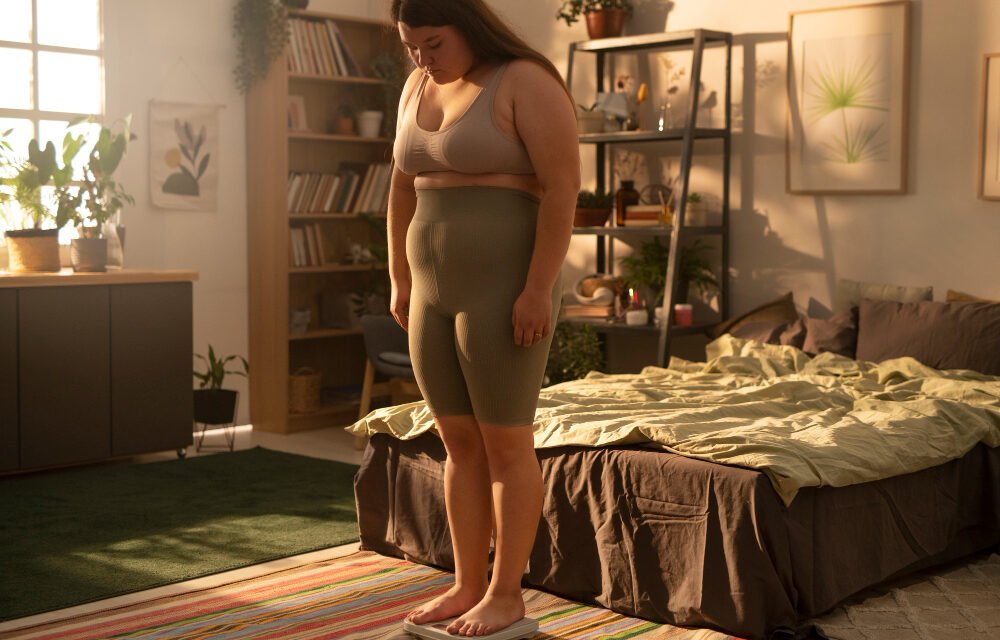
Most women fear menopause and weight gain. When they reach that stage in their lives, they listen to endless legends regarding sudden belly fat, impossible diets, and the fact that exercise is no longer helpful. All these myths always create fear and confusion. To remove the confusion, a gynecologist sets the record straight and dispels seven prevalent myths about menopause and weight gain.
Also Read: How Poor Oral Hygiene Can Lead to Heart Problems
What is menopause, and why is weight gain associated with it?
Menopause is a normal phase of a woman’s life in which menstrual cycles permanently cease. It typically occurs between ages 45 and 55. In this period, estrogen levels decline, and metabolism slows down moderately. Due to these factors, women tend to attribute menopause and weight gain as directly related. However, numerous other factors, such as aging, lifestyle, diet, and stress, also contribute significantly.
7 popular myths concerning menopause and weight gain

Myth 1 – Menopause invariably leads to weight gain.
Many people struggle with weight gain, but it does not have to happen.
When estrogen levels decrease during menopause, the body is affected, especially in how it stores fat. Weight gain during this time is influenced by factors such as reduced physical activity, muscle loss, a slower metabolism, increased anxiety, and various lifestyle habits.
Maintaining a healthy weight and BMI (Body Mass Index) is necessary, and it can be achieved through a balanced diet, consistent physical activity, and core training. During menopause, it is important to be aware of and observe bodily changes and to take a mindful approach.
Myth 2 – Weight loss is impossible after menopause
The weight loss process is slow but definitely possible.
A consistent good habit is necessary. Some sustainable strategies include core-strength exercises, regular mealtime, sound sleep, stress management, and timely progress tracking. These strategies give long-term health and body acceptance.
During menopause, due to rapid hormonal changes, the body needs nutrition, so don’t go on a crash diet or extreme fasting. This usually backfires.
Myth 3 – Hormone replacement therapy causes weight gain
Research shows that HRT, or Hormone Therapy, does not directly link with weight gain. In fact, many studies indicate that HRT helps to reduce abdominal fat in some women.
During HRT, weight changes occur due to aging, lifestyle changes, and other factors. So women should make a decision about hormone therapy on the basis of symptom relief and overall health, not fear of weight gain.
Myth 4 – Belly fat is only due to menopause
Midlife belly fat is not due solely to menopause. Aging, excessive stress, lack of sleep, and diets high in poor foods also contribute significantly. Menopause can redistribute fat to the midriff, but lifestyle is the actual culprit. This implies that women can manage belly fat through healthy diets and regular exercise.
Myth 5 – Exercise won’t help during menopause
Exercise is essential. Many women do only cardio and feel frustrated if their weight doesn’t shift. During menopause, core strength training becomes important. By the age when muscle mass starts declining, calorie burn at rest reduces. Some effective strategies for reducing weight include strength training (2-3 times a week), walking, cycling, yoga, or Pilates.
Exercise during menopause can preserve strength, bone health, and confidence.
Myth 6 – Menopause weight gain is irreversible
It is a myth that weight gain at menopause can never be shed. Balanced nutrition, exercise, stress management, and proper sleep can help women shed excess pounds. The trick is to be consistent and patient, not to follow fad diets.
Myth 7 – Only dieting can help control weight.
Most women think drastic dieting is the answer. Actually, dieting never helps in the long run for maintaining good health. A combination of a balanced diet, daily activity, proper hydration, and stress management is the ideal approach to staying fit.
Practical tips to control weight in menopause

-
Protein is essentialProtein like lentils, eggs, paneer, fish, nuts, and seeds support muscle mass and keeps full longer.
-
Sound sleepEvery woman should get at least 7-8 hours a day. Less sleep causes carvings and increases the hunger hormone.
-
Say no to StressCortisol, a stress hormone, promotes belly fat. To avoid unnecessary stress, stay tuned with meditation, breathing exercises, and self-care, which are powerful tools.
-
Stay physically activeRegular 2 or 3-hour exercise is not needed if you are not moving throughout the day. Movement is necessary, and it matters for physical activity. walking, stretching, and maintaining mobility.
-
Love your bodyMenopause is a phase or a transition. If you are gaining weight, that does not mean you are a failure. Comparing your phase or your body with others, or also with your older version, is completely unfair.
FAQs about menopause and weight gain
Can menopause cause sudden weight gain?
Not really. Menopause won’t lead to sudden weight gain, but changing hormones can make it more challenging to maintain weight if lifestyle habits are poor.
Is it normal to have belly fat during menopause?
In fact, most women observe that their midriffs are getting fatter. A balanced diet and regular exercise, however, can help lower it.
What is an example of the most effective diet for managing weight during menopause?
A diet rich in fruits, vegetables, fiber, protein, and healthy fats is ideal. Avoid too much sugar and processed foods.
How much exercise should women do after menopause?
At least 150 minutes per week of moderate exercise, along with two strength-training days, is optimal.
Conclusion
Menopause and weight gain are often seen as going hand in hand in people’s minds, but it’s not that simple. One gynecologist indicates that weight change is not a given. Healthy lifestyle choices mean that women remain strong, fit, and confident at this phase of life. Keep in mind that menopause is not the beginning of the end—just a new beginning, and every woman can write it wisely.
Menopause does not mean poor health. This phase lies in myths, fear, and outdated advice. Understanding your body’s needs, take care of your health with confidence.
Self-worth is important, and understanding it requires strength, emotional balance, and the right scientific knowledge.
Also Read: Say Goodbye to Bad Breath with Simple Daily Habits