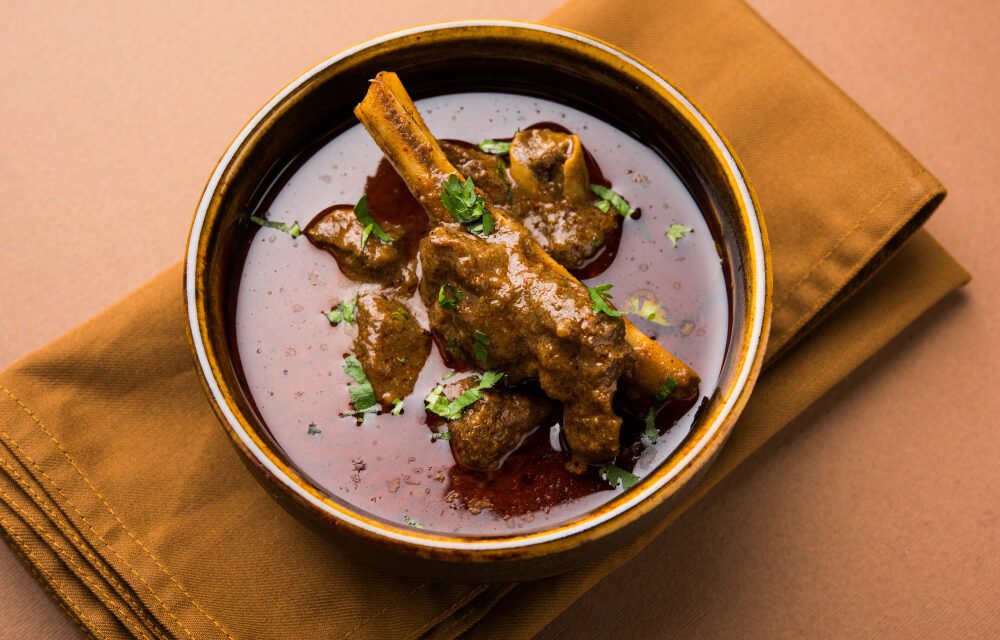
Mutton curry is a much-loved dish in Indian homes. Its spicy sauce, soft meat, and taste make it a dish that cannot be compared to any other dish. But as much as we love it, science now also brings a stern warning. Red meat such as mutton curry, as per latest studies, is not healthy for the gut. Actually, specialists alert that frequent consumption will irritate the digestive system and result in extended sicknesses. This is where mutton curry risk truly starts.
Also Read: Gut Health Alert: Not Every Fruit Is Your Friend
Why red meat, such as mutton curry, affects gut health
In order to understand the issue, we need to understand first of all what red meat does in the body. When you consume mutton or any other red meat, the bacteria in your intestines degrade it. In the process, compounds such as trimethylamine N-oxide (TMAO), saturated fats, and nitrates are produced. These have been associated with gut inflammation, bad digestion, and even life-threatening diseases.
Secondly, excessive consumption of red meat could upset your gut microbiome—the community of bacteria that keeps your digestion running smoothly. An imbalanced microbiome would result in bloating, gas, or constipation. In the long run, it would cause acute inflammation. So even a delicious mutton curry plate could silently play havoc with your gut well-being if consumed too frequently.
Study findings – red meat and gut inflammation
There is also very strong correlation between red meat and gastrointestinal illness in most studies. Scientists observed that individuals consuming red meat on a daily basis have increased inflammation in the body. These are markers of unhealthy guts and actually cause heart disease too.
Actually, the combination of greasy chunks of meat, oil, and excessive spices makes mutton curry more difficult to digest. Not only does this put a strain on the stomach but also provides an acidic gut environment. So, harmful bacteria will germinate, while good bacteria fall off. Such deficiency increases inflammation. Evidently, the risk of mutton curry is not merely calories—it’s about gut destruction.
Mutton curry risk vs. moderation
So, never have mutton curry again? Not exactly. The risk is frequency and size. Occasionally, with fiber foods, might not be so bad. But a couple of times a week increases the risk quite a bit.
In addition to that, the conventional Indian cuisine tends to put excess amounts of oil, ghee, and salt into the recipe to flavor it. While delicious, this mixture doubles the effort of the digestive system. Alternatively, the less fatty pieces, less oil, and less spices can lower the risk of mutton curry and make it slightly healthier.
Healthier alternatives and gut-friendly options
If you are addicted to curry but need to take care of your gut, there are alternatives that are safer. For instance, substitute chicken, fish, or plant proteins such as lentils and chickpeas for mutton. They are more digestible and yet satisfying.
Including gut-friendly foods like yogurt, spinach, and fermented foods like pickles can make your meal balanced too. Additionally, spices like turmeric, cumin, and ginger naturally combat inflammation. Including them in your diet on a regular basis might neutralize some of the detrimental effects of red meat. That way, you can indulge in strong flavors without endangering your long-term gut health.
FAQs about red meat and gut health
Is it safe to have mutton curry occasionally?
Yes, it is okay having mutton curry every now and then for everyone. The issue comes in when it is part of your diet every day.
How Red Meat Affects Your Gut Bacteria
Eating red meat can increase bad bacteria and reduce good bacteria in your gut, leading to bloating and inflammation.
Can spices in curry help to protect the gut?
Some spices such as ginger and turmeric contain anti-inflammatory compounds. However, they cannot entirely nullify the ill effects of excessive red meat.
What Happens to Your Gut Health After Red Meat?
Foods like fruits, veggies, and yogurt (rich in fiber, probiotics, and antioxidants) help balance your gut health.
Conclusion
Mutton curry may be comforting, but don’t ignore its potential health risks. Red meat is strongly associated with gut inflammation, bad digestion, and alteration of the microbiome. Eating it every alternate day would not damage you but having it daily will ruin your long-term health. Thus, moderation, proper cooking, and good food are the solutions to balance. By realizing the risk of mutton curry, you can make wiser food choices and relish your food without guilt.
Also Read: GI cancers linked to lifestyle: protect your gut with self-care