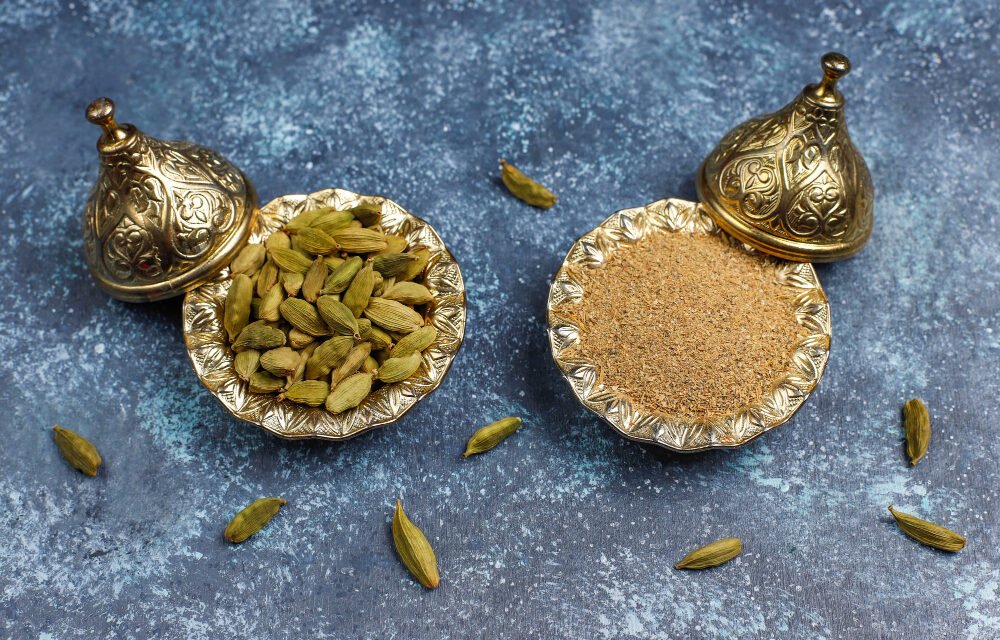
Cardamom: Green Gold Traditional and Modern Uses of Wellness
Think of it as the “queen of spices.” Noble. Cardamom: Green Gold stands quietly, yet confidently, in kitchens and apothecaries across the globe. Understated, but not unnoticed. Its journey starts with the seeds of plants like Elettaria and Amomum. These little seeds are quite flavorful. Layers: sweet, spicy, with a touch of citrus. However, flavor isn’t everything. There is more to cardamom; generations have been intrigued by its health advantages. It was noted by old customs. Current research continues to explore. Cardamom’s tale is still being written.
A Spice Rooted in Tradition
Centuries ago, cardamom was medicine, not just seasoning. Ayurveda. Traditional Chinese medicine. Both valued it for digestion, breathing, even clearer thinking. Ancient Egyptians took it further, blending cardamom into perfumes and using it as a breath freshener. Practical. In India, it became a part of daily life—boiled in tea, folded into desserts, seasoned onto main dishes. Its lasting place in these cultures is proof of its versatility and purpose. Cardamom was never a fad. Just steady usefulness.
Digestive Dynamo for Cardamom: Green Gold
Of all its gifts, cardamom’s support for digestion is the standout. Here’s why: certain compounds inside cardamom help your gut make more enzymes. Because more enzymes mean better digestion and less bloating. Less gas. Less discomfort overall. Cardamom acts as a carminative—a gentle push for your digestive tract to calm down and function smoothly. It can even soothe irritation in the stomach, delivering relief for issues like ulcers. Simply put, sprinkle it into food or sip it after a meal, and you might just feel better.
Respiratory Relief
Breathe in cardamom, and your airways respond. Its oils are expectorant and anti-inflammatory. Stuffiness? Cardamom helps clear it out. Persistent cough? It may ease it. A few deep inhales can open your nose, making it easier to breathe. That’s why you’ll often find cardamom in herbal blends for bronchitis or asthma. The science isn’t flashy, but it’s practical. Reduced inflammation. Easier breathing. Another tool for lung health.
Heart Health and Beyond
Today, scientists are also looking at cardamom’s impact on heart health. Studies show cardamom does more than just season food. It helps lower blood pressure. It can also improve cholesterol levels two wins for heart health. Antioxidants in cardamom protect the heart from free radicals. That means less damage to heart tissue. Cardamom may also boost blood circulation, giving the heart another layer of support. But its reach goes further. Researchers have found antimicrobial and antioxidant properties. Cardamom can help ward off infections, guard cells from harm, and support oral health. Fewer bacteria. Fresher breath. Fewer cavities.
Modern Applications and Culinary Delights
Today, cardamom bridges two worlds: health and flavor. It’s at home in medicine cabinets and spice racks alike. In the kitchen, its warm, complex aroma elevates a dish. So, Indian curries, Middle Eastern coffee, and Scandinavian pastries—cardamom adapts. It adds depth, but sometimes even a little surprise and to sweets and savory meals. But cardamom isn’t just a chef’s trick. It’s found in teas and supplements. It appears in essential oils. People turn to cardamom for its soothing properties—through food, scent, or wellness products. Simple, adaptable, and quietly powerful.
Conclusion of Cardamom: Green Gold
Cardamom’s path from ancient remedy to modern wellness staple is clear. Its benefits cover digestion, breathing, and heart function. But whether sprinkled in a recipe or taken as a supplement and cardamom has lasting value. So, it brings flavor, fragrance, and a sense of well-being—one small pod at a time.
Also Read: Cardamom’s Amazing Health Tips Benefits: The Queen of Spices