Introduction of Chakra Healing
Chakra healing is about tuning up the body’s energy centers. This practice cuts across continents and ignores the idea of borders or single traditions. People everywhere have found their own ways to talk about, work with, and adjust these essential energy points. Diversity thrives.
Also Read: How Meditation clears Negative Energies Away?
Ancient Indian Origins
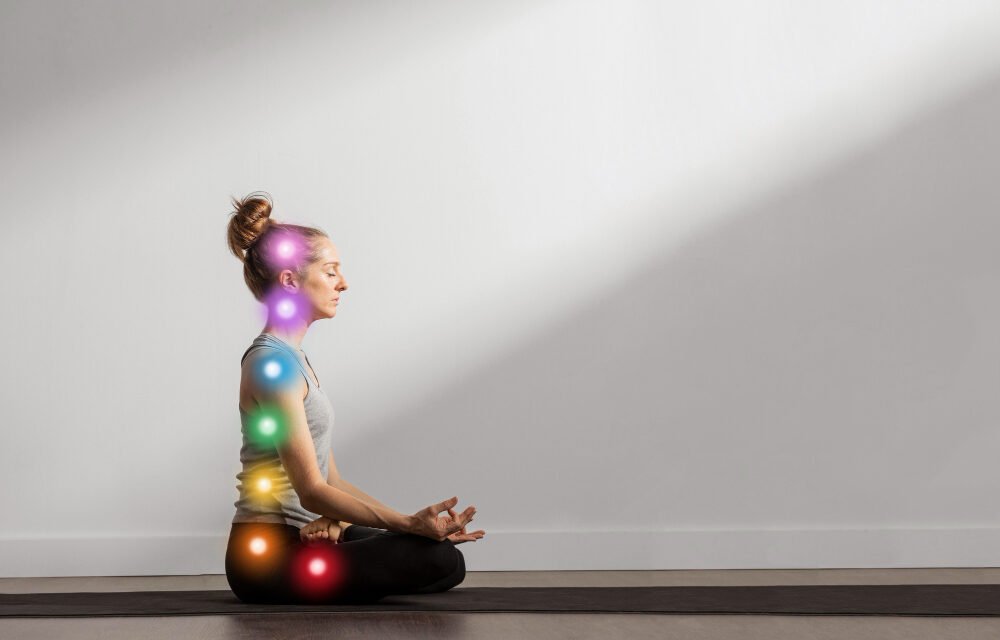
The roots of chakras wind deep into ancient India, especially through Hindu and Buddhist teachings. In these origins, chakras are spinning centers of energy. Each sit along your spine. Each connects to a color, an element, and a piece of your inner life. Methods to balance chakras come in many flavors: meditation, yoga, mantras. The goal is direct—unblock and balance energy. The result? A steadier body and mind, and a sense of spiritual ease. Seven main chakras run from the base of the spine to the top of the head, each marking a stage of being human.
Chinese Medicine and Meridian Systems
In Chinese medicine, there’s a different vocabulary, but a similar heartbeat. Here, energy is called qi (or chi), and it travels along pathways called meridians. Chakras and meridians aren’t quite the same, but both speak to energy’s movement. These channels connect to organs and body systems. When qi is blocked, problems surface. Tools? Acupuncture, acupressure, herbs. The aim is steady: balance the forces of yin and yang so the system works well together.
Indigenous Practices and Energy Work of Chakra Healing
Indigenous cultures also have voices in this conversation. Some Native American traditions, for instance, work with the body’s energy field—the aura. Rituals, connection with the land, and ceremonies are used to sweep away harmful energy and bring things back into harmony. In shamanic practices, healers may enter altered states to find what’s missing and bring it back. Nature isn’t separate from healing—it’s part of the work.
Modern Adaptations and Integrative Approaches
Chakra healing is showing up more in the Western world now. You’ll see it in yoga studios. In meditation spaces. Even in holistic health clinics. People are looking for ways to feel balanced. Simple as that. These sessions can include guided meditations. Sound healing takes shape here too—think singing bowls, humming softly in the background. Crystals may join the lineup; each chosen to spark and align the chakras. Therapists sometimes layer this work into their practice, addressing not just the mind, but the whole person. Holistic health isn’t new, but it’s drawing fresh attention. People want an approach that looks at the big picture.
Similarities and Differences
Techniques and language, they shift from place to place. Yet underneath, the foundation holds steady. Keeping energy flowing—or unblocking it—is at the core no matter where you look. Cultural context shapes how chakra work looks on the surface. In some places, it’s physical; elsewhere, it’s spiritual or focused inward. Practices change, but the goal. Balance. Harmony. Strong bonds with the self and the world beyond.
Conclusion of Chakra Healing
Chakra healing moves through different cultures but stays connected by its core ideas. India’s ancient traditions. The West’s updated versions. Wherever you land, balance and energy flow remain central. Yoga, acupuncture, old rituals—these are just some of the ways people unlock the body’s natural healing and deepen their sense of being, both with themselves and the wider world.
Also Read: Effect of Bad Energies on Aura and What they are?