First Steps in Child Development
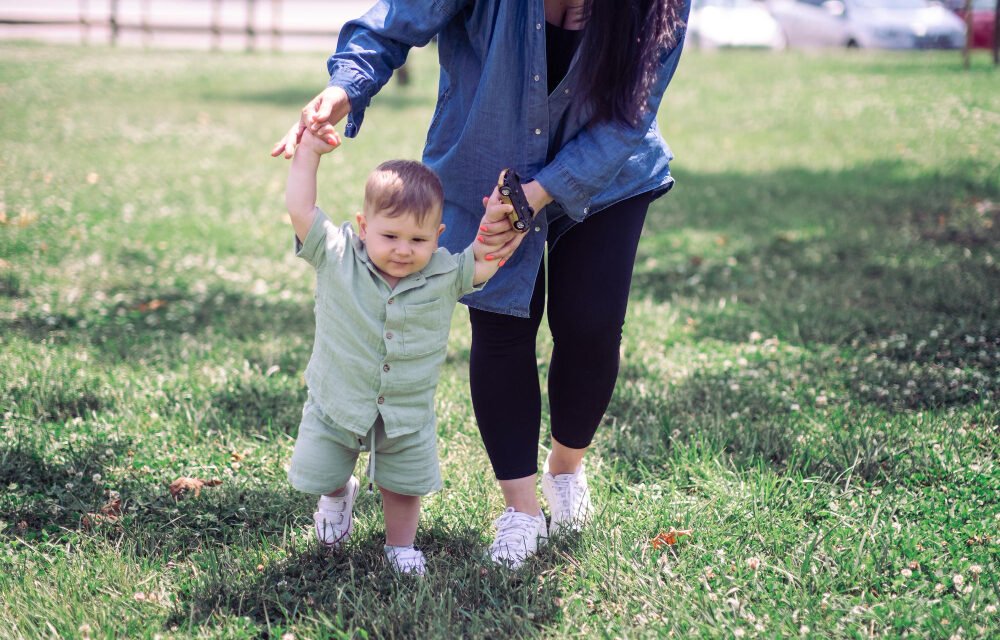
Seeing a toddler take their first wobbly steps towards the sofa is to experience the wonder of child development at work. But those tottering steps are just one part of a much bigger process that gets underway long before kindergarten’s first day. By observing carefully during preschool years, parents and caregivers can build a strong foundation that will hold learning, confidence, and resilience in place.
Also Read: Build Strong Bond with Your Newborn : Gentle Beginnings
Emotional Roots of Child Development
First, infants flourish when they feel secure. Attentive cuddling, regular routines, and calming tones show children that the world is a welcoming place. As a result, they learn to regulate stress and recover from minor setbacks. Later on, stable limits—like redirecting a toddler gently instead of rebuking—support self-management. Since emotions influence actions, cultivating this inner gyroscope is worth it when formal education begins.
Language Skills in Child Development
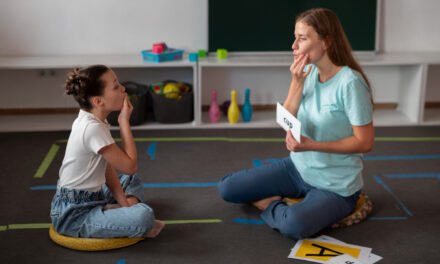
At the same time, words spoken activate the brain’s expansion. Describe diaper changes, sing during bath time, and pose open-ended questions at snack time. Every discussion wire new circuit, so words build up quickly. Furthermore, reading picture books aloud daily exposes kids to more complex sentence patterns and storylines. By five, children who swim in words learn directions quicker and speak answers confidently in circle time.
Tiny Bodies, Big Moves
Physical play is equally important. Crawling, climbing, and rolling build strong core muscles that eventually stabilize a pencil and support good posture. Provide safe floor space, foam blocks, and low climbing equipment in the backyard. During bubble chases or kicking a soft ball, children develop balance and bilateral coordination. These gross‑motor successes, not surprisingly, make fine‑motor skills—such as cutting on a line or buttoning jackets—more easily manageable.
Social Smarts in Miniature
Concurrently, preschoolers learn how to share, negotiate, and read facial expressions. Simple board games instruct turn‑taking; pretend tea parties promote empathy. If fights break out, teach children to identify feelings and propose solutions: “You wanted the red truck. How can we resolve this?” Eventually, they substitute grabbing with problem‑solving, a skill educators prize in crowded classrooms.
Nurturing Creativity and Curiosity
In addition, unstructured discovery fosters creativity. Provide crayons, salvaged boxes, magnifying glasses, and time—then get out of the way. When a child converts a shoebox into a rocket, she tests design, forecasting, and narrative simultaneously. Whether blending paint hues or excavating earthworms, curiosity sustains higher-order thinking that standardized worksheets often miss.
Weaving It All Together
Because all areas overlap, achievement in one support another. A secure toddler explores further to climb; rich language enables clearer friendship negotiations. So, look at daily routines as a whole system, not just isolated drills.
Final Thoughts
Overall, these initial steps prior to kindergarten cement lifelong attitudes toward learning. By consciously nurturing child development through emotional security, language saturation, active play, social coaching, and creative freedom, adults provide children with a priceless head start. Tackle every everyday moment—diaper changes, snack time, trips to the park—with new eyes, and you will find the remarkable work of child development being made before your very own eyes. Make small, daily decisions today, and the dividends of child development will ring through every grade that comes after. And when worrying questions crop up—Is my son speaking enough? Should my daughter learn her name? —keep in mind that development tends not to take a straight path.
Also Read: Safety Tips for Newborn Care at Home : Baby on Board