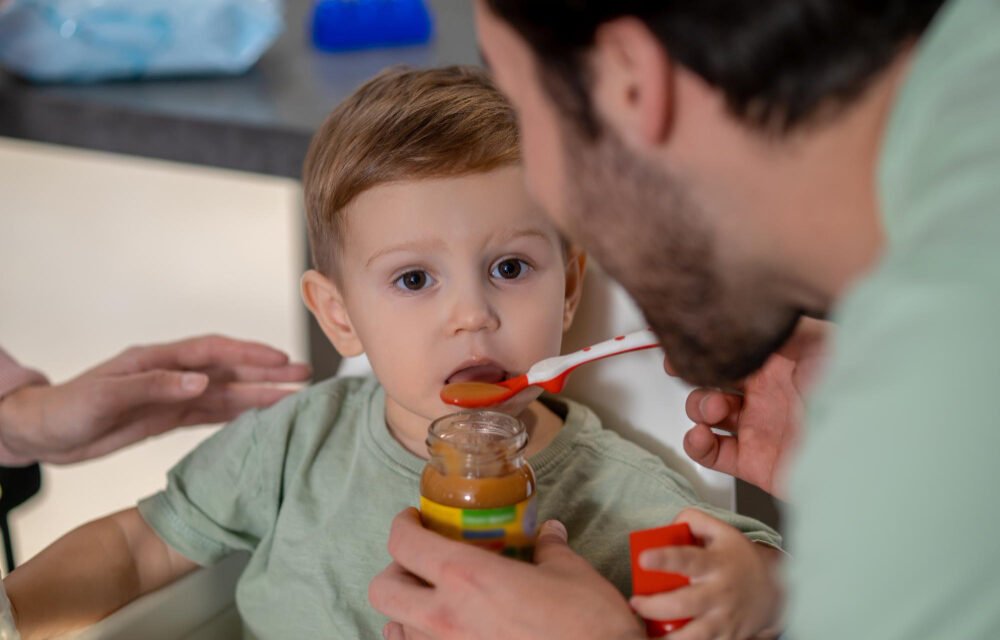
Common Baby Food Allergies and How to Identify Them Early
Introducing solid foods is an exciting milestone, but it’s essential to watch for potential food allergies. Some foods are more likely to trigger allergic reactions, and identifying symptoms early can help ensure your baby’s safety.
Most Common Food Allergens in Babies
These top 9 allergenic foods are responsible for most food allergies in infants:
- Milk (cow’s milk and dairy products)
- Eggs (especially egg whites)
- Peanuts
- Tree nuts (almonds, cashews, walnuts)
- Soy (tofu, soy milk, soy-based formula)
- Wheat (bread, pasta, cereals)
- Fish
- Shellfish (shrimp, crab, lobster)
- Sesame (sesame seeds, tahini)
Tip: The American Academy of Paediatrics now recommends introducing allergens early (around 6 months) to reduce allergy risks, unless your baby has a high risk (family history, eczema, or previous allergic reactions).
Signs of a Food Allergy in Babies
Watch for these immediate or delayed allergic reactions:
- Mild Symptoms:
- Rash or hives (small red bumps)
- Runny nose, sneezing, or mild coughing
- Mild stomach discomfort, gas, or diarrhea
Severe Symptoms (Requires Immediate Medical Help)
- Swelling of lips, face, or tongue
- Vomiting or severe diarrhea
- Wheezing, trouble breathing, or persistent coughing
- Pale or blue skin
- Lethargy or loss of consciousness
Tip: Severe allergic reactions (anaphylaxis) require immediate emergency care—call your doctor or emergency services if your baby has difficulty breathing or swelling in the throat.
How to Introduce Allergens Safely
Follow these steps to reduce the risk of severe reactions:
- Introduce one allergenic food at a time (wait 3-5 days before introducing another).
- Start with a small amount (a tiny spoonful or fingertip portion).
- Offer allergens in the morning or early afternoon to monitor reactions.
- Mix allergens with familiar foods (e.g., peanut butter mixed into oatmeal).
- Avoid introducing allergens when your baby is sick (so symptoms aren’t confused).
Tip: If your baby has eczema or a family history of allergies, talk to your paediatrician before introducing allergens.
What to Do If Your Baby Has an Allergic Reaction?
1 Mild reaction (rash, mild diarrhea, fussiness)
- Stop feeding the allergen and monitor symptoms.
- Consult your paediatrician for guidance.
2 Severe reaction (swelling, vomiting, breathing issues)
- Call emergency services immediately!
- Use an epinephrine auto-injector (if prescribed).
- Seek medical attention even if symptoms improve.
Alternative Foods for Allergic Babies
If your baby has an allergy, here are safe alternatives:
- Milk Allergy Try calcium-fortified oat, almond, or coconut milk.
- Egg Allergy Use mashed bananas or flaxseed as egg replacers in recipes.
- Peanut Allergy Substitute sunflower seed or pumpkin seed butter.
- Wheat Allergy Opt for gluten-free grains like rice, quinoa, or oats.
Tip: Many kids outgrow milk, egg, soy, and wheat allergies, but peanut, tree nut, fish, and shellfish allergies often last into adulthood.
Also Read: Superfoods for Babies and Toddlers: Nutritional Benefits and Meal Ideas