Fibroids & Nutrition: How the Right Foods Can Support Hormonal Balance
Uterine fibroids are non-cancerous tumors that may produce pain, excessive bleeding, and hormonal imbalance in most women. Operations and medication are popular methods, but Fibroids & Diet are not to be underestimated either in naturally alleviating symptoms. You are directly affecting your hormones, inflammatory levels, and general health with what you consume. So, by eating wisely, you can eliminate fibroid symptoms and nourish your hormonal system as well.
Also Read: Say Goodbye to Blotting with These Effective Home Remedies
Learning About Fibroids & Diet Connection
Now, let’s see why Fibroids & Diet must be together. Fibroids are estrogen-sensitive, i.e., extremely high levels of estrogen make them grow. Therefore, due to this, a diet that assists in balancing the hormones—particularly estrogen—can decrease the growth and severity of fibroids. Moreover, yes, some foods do initiate inflammation and increase fibroid symptoms, so avoiding them is very much necessary.
So, for Fibroids & diet what do you do, and what do you not do? Let’s start.
Best Foods for Hormonal Balancing and Fibroids & diet Support
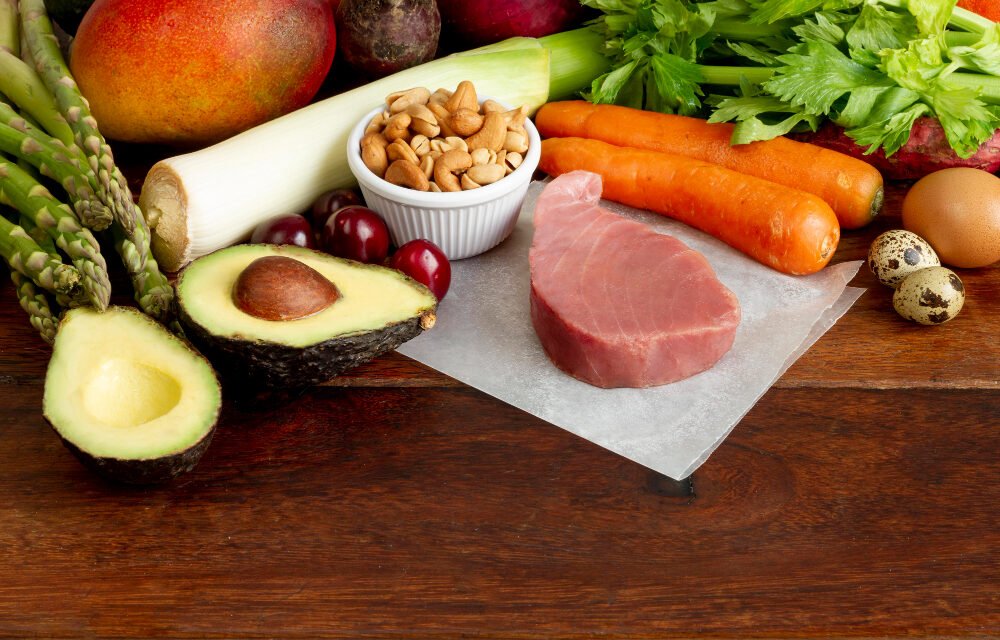
Start by taking an anti-inflammatory, nutrient-dense diet. Here are some of the best foods to include:
- Leafy Greens: Spinach, kale, and arugula are high in fiber, magnesium, and antioxidants. These leafy greens assist the liver in flushing out excess estrogen.
- Fruits and Berries: Blueberries, oranges, and apples contain lots of vitamin C and polyphenols that inhibit inflammation.
- Whole Grains: Brown rice, oats, and quinoa contain a lot of fiber, which aids digestion and hormone balance.
- Legumes: Lentils and chickpeas contain high plant protein foods that allow for hormone control.
- Fatty Fish: Salmon and mackerel contain high levels of omega-3 fatty acids, which inhibit inflammation and promote hormonal health.
Not only do they feed your body, but they also prevent the estrogen dominance that drives fibroid growth. Obviously, the right foods can have a significant difference.
What Not to Eat: Foods That Aggravate Hormonal Imbalance
Conversely, there are foods that help make your fibroid symptoms worse. As such, it is necessary to limit or avoid them:
- Red and Processed Meats: These are likely to boost estrogen and inflammation.
- Refined Sugar: Sweet foods and sweet beverages create blood sugar spikes, which create hormonal imbalance.
- High-Fat Dairy: Too much saturated fat in the body will raise estrogen levels.
- Caffeine and Alcohol: Both have been shown to tax the liver so that it is less effective to metabolize hormones.
- Processed Foods: White bread, potato chips, and processed snack foods typically have additives and preservatives that interfere with hormones.
By reducing these, you are giving your body a chance at a natural hormonal balance and minimizing fibroid flair-ups.
Final Thoughts: Finding Balance Between Fibroids & Diet
In short, Fibroids & Diet go hand in hand for symptom management and enhancing hormonal wellness. A balanced diet of whole, plant-based foods consisting of fiber, antioxidants, and healthy fats can perform miracles. Avoiding processed foods, foods high in sugar, and foods that disturb hormones, the formation of fibroids can be prevented and sustained relief can be achieved.
Ultimately, a thoughtful plan for Fibroids & Diet can arm you with the power to take command of your hormonal health naturally—one bite at a time.
Also Read: Curd in Monsoon: Should You Eat It or Avoid It?