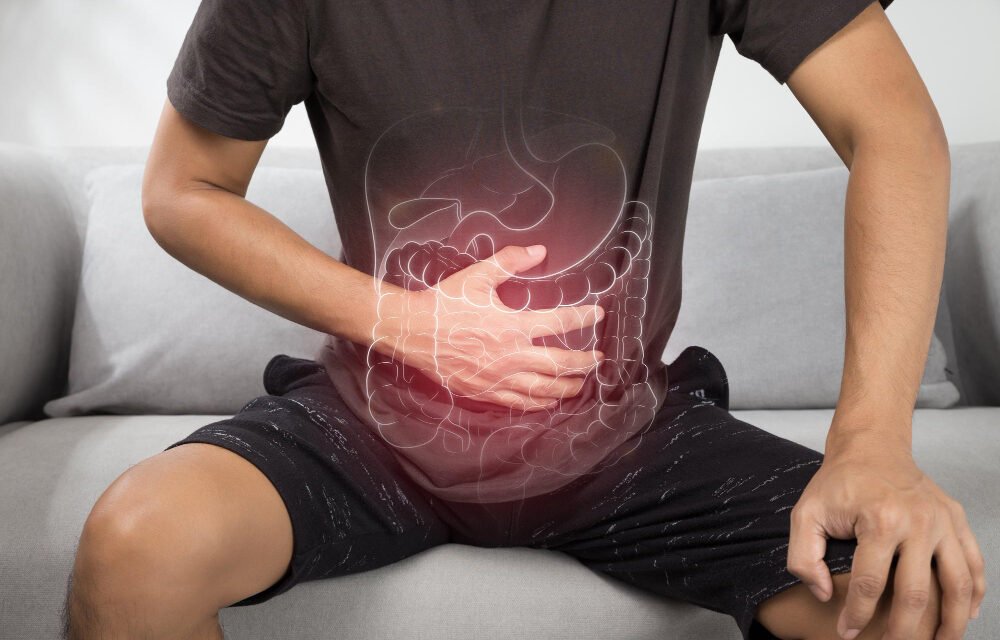
Do you often eat snacks without thinking, like biscuits with tea or munch chips while scrolling your phone? These small feeding habits could be more dangerous than you think, says a leading Gastroenterologist. While people often believe snacking causes weight gain, it also affects their gut health.
Dr. Subhash Agal, a senior Gastroenterologist at Kokilaben Dhirubhai Ambani Hospital, explains that constant snacking during the day disrupts the natural rhythm and functioning of the gut. And because your gut is linked to your immunity, energy levels, and even mood, the damage can be more serious than just weight gain.
Also Read: GI cancers linked to lifestyle: protect your gut with self-care
Let’s discover why frequent snacking discreetly overburdens your digestive system—and what a Gastroenterologist advises instead.

How small snacks create big trouble for your gut
We tend to snack when not hungry—due to habit, boredom, or stress. Alas, this random eating habit disrupts crucial gut processes. One such important system that is disturbed is the self-cleaning system of the gut, which cleanses your digestive tract and keeps it in a healthy condition.
Snacking too often stops your gut from cleaning itself
Your intestine also has an innate function that is referred to as the Migrating Motor Complex (MMC). This cleansing wave only comes on when you’re not eating and tries to remove leftover food and bacteria. But whenever you consume a small amount, even some chips, the MMC is inhibited.
Bloating, indigestion, and even small intestinal bacterial overgrowth (SIBO) can trigger gastrointestinal disturbance. More persistent disruption prolongs the presence of waste and bacteria in the intestine, leading to bloating, indigestion, and disturbed digestive harmony.

Random eating hurts your gut microbes.
Trillions of microbes in the gut fuel immunity, digestion, and even mental health. These bacteria are built for routine and variety.
Too much snacking disrupts the healing and repair of the digestive tract.
The gut needs time to rest, to repair, to absorb nutrients, and to reconstruct the gut lining. Eating all day long avoids the internal recovery you require. In the long-term, you wind up with nutrient deficiency, slowed digestion, and acid reflux issues. Eating all day also diminishes the gut-brain connection by overriding subtle cues from the body around hunger and fullness.
Smart snacking habits for better digestion

Now, this doesn’t mean you have to outlaw every snack-like food from your life. A Gastroenterologist would actually say that nutritious, conscious snacking can be good for you. The trick is to eat intentionally and plan your meals.
Space out your meals 4–5 hours. Choose gut-friendly snacks like soaked almonds, fruit bowls, or fermented yogurt. Avoid eating late at night or in front of screens. Restrict yourself to one or two healthy snacks per day, and try to ask yourself: ” Am I really hungry?
Final thoughts
Snacking itself isn’t bad, but mindless snacking is. A trusted Gastroenterologist says that it’s all about balance and being aware of what you eat. The next time before grabbing a snack, pause and think about what your body truly needs.
Also Read: Gut Health Alert: Not Every Fruit Is Your Friend