Power of Routine: How to Create a Learning-Focused Day
Introduction
An organized daily routine is one of the most powerful tools for parents, can provide their kids. Mainly in early
childhood, kids have hunger for consistency, familiarity, and a sense of security. Organized schedule does exactly
that. When learning is consistent knit into the fabric of their everyday life, toddlers begin to gain knowledge
naturally, joyfully, and effectively. It is Parenting Help and Support. Parents should know how to create a
learning-
focused day for their kids.
Importance of Routine
At around the age of two to three, children start developing a sense of independence and curiosity. A routine helps to
convert this curiosity into productivity. It sets standards that reduce stress and behavioral issues, as children know
what to expect next. This predictability also makes transitions between activities smoother, which is often a challenge
with toddlers. Routine creates the Power of Positive Parenting.
Creating a Learning-Focused Routine
Set a learning-focused day, is not mean convert your home into a classroom. In fact it’s about integrating learning
into everyday activities in fun, engaging ways. Here’s some tips tells how to create a learning-focused day-
Start with a Calm Morning
Begin the day with cuddles, an affirmation, a simple prayer, or a soft song. Then move to a morning routine like
brushing, breakfast, and getting dressed. Add language by naming body parts, food items, or clothes (“Let’s wear
your red shirt today!”).
Designate Learning Tasks
Set aside short learning sessions (10–20 minutes) in the morning and afternoon. Use this time for reading picture
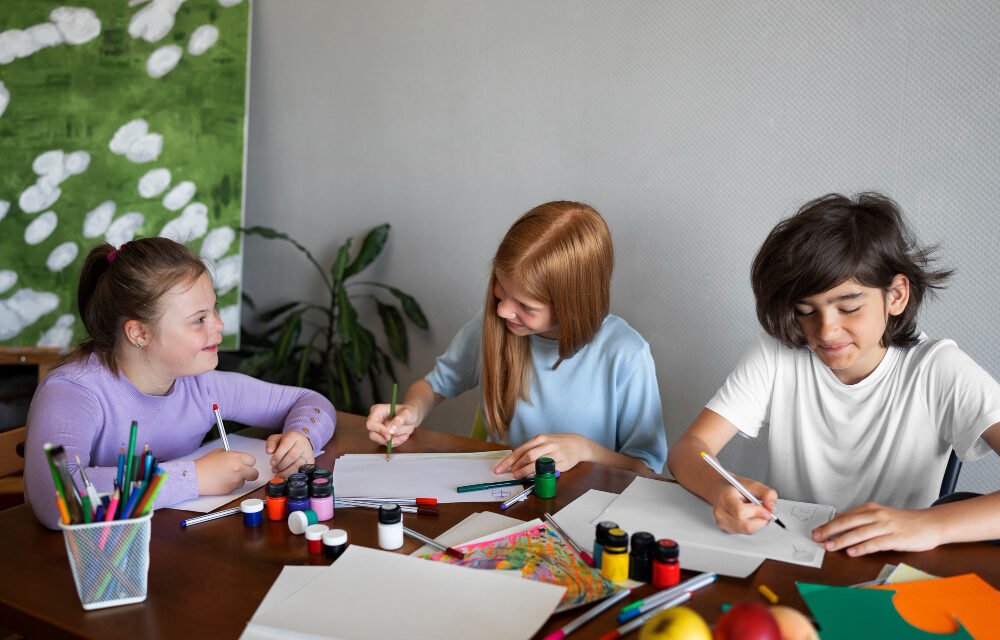
books, Play with numbers, letters, animals cards, Do Art and coloring, Try to solve simple puzzles or matching
games. Keep it playful and follow your child’s pace.
Learning through Play Based
Play is the most effective mode of learning for toddlers. Use blocks, toys, pretend play, or nature walks as learning
opportunities. Count steps, name colors, and ask questions like, “What sound does a cow make?”
Mealtime Learning
Turn mealtime into a mini classroom. Discuss colors, textures, and names of foods. Ask, “Is your roti round or
square?” or “Can you count the grapes?”
Quiet Time & Naps
Rest is essential for brain development. Stick to a consistent nap schedule to prevent overtiredness and support
better mood and learning retention.
Evening Reflection
In the evening, talk about the day: “Did you like the story we read?” or “Which toy did you enjoy most?” This builds
memory and emotional bonding.
Bedtime Reading
End the day with a soothing story or lullaby. Bedtime stories promote listening skills and imagination and become a comforting bedtime cue.
Tips for Success
Always Keep routines flexible yet predictable. Use visual cues like charts or picture cards. Celebrate small
achievements with claps or stickers. Stay patient—some days will go off-track, and that’s okay!
Final Thoughts
A routine infused with love, laughter, and learning not only nurtures your child’s development but also builds a
strong parent-child connection. Over time, these consistent efforts shape habits, boost confidence, and foster a
lifelong love for learning. After all, in the eyes of a little one, every moment is an opportunity to explore — and a
thoughtful routine helps make each one count.
Also Read: How to Make Learning Fun: Interactive Study Techniques for Kids