What is measles?
To protect your home, you must first understand what measles is. Measles is an infectious disease caused by a virus that attacks the airways. Measles can be transmitted to other humans via the air. This can therefore pass between individuals easily. Compared with certain other illnesses where you may require direct contact with another individual or a soiled object, measles is transmitted when an infected person sneezes, coughs, or even simply breathes in the same environment as others.
The virus can remain in the air for up to two hours after an individual with measles has vacated a space. It is for this reason that measles may spread rapidly, and large outbreaks can easily occur. It may take days for a rash to appear with this illness, and initial symptoms of measles may be mistaken for the common cold. Symptoms of measles may include watering eyes, a cough, tiredness, and fever. By the time a diagnosis of measles has been made, the infected individual may have already passed on the virus in stores, schools, and even workplaces.
Also Read: 10 Early Symptoms of Prediabetes: Most Adults Ignore
Why Is the Measles Outbreak Increasing in 2026?
The big increase in Measles cases is not a coincidence. It is happening because of things that people are doing and the way society is. These things are making it easy for the Measles virus to spread quickly.
Not many people are getting vaccinated:
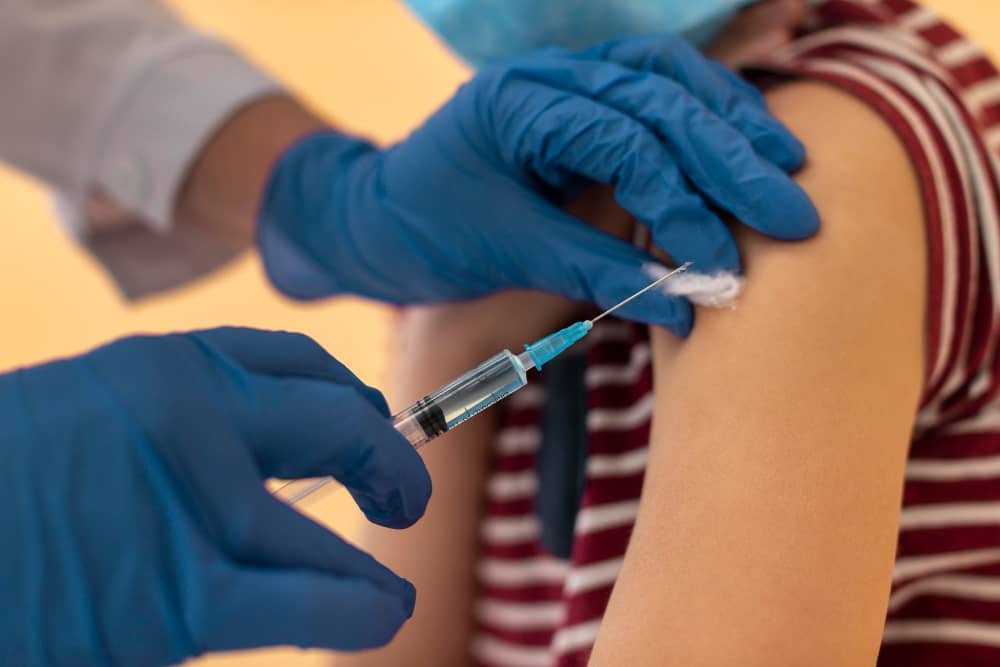
Vaccination is the strongest protection against measles
First of all, fewer people are getting their Measles shots. Some parents are choosing not to get their kids vaccinated, or they are waiting until later. The Measles virus is very contagious. So even if a few per cent of people in a community are not vaccinated, it can make it easy for the virus to spread and start an outbreak. We need to make sure many people are vaccinated against Measles to keep our kids safe.
More people are travelling around the world:
A lot of people are travelling to countries now. This means that people can catch the Measles virus in one place and then bring it to another place without knowing it. If someone who’s not vaccinated travels to a place where few people are vaccinated, they can easily spread the virus and start an outbreak that affects many cities.
Information about the Measles vaccine:
There is a lot of wrong information about the Measles vaccine on the internet. Some people are saying that the vaccine is not safe. This is not true. These wrong ideas are making some parents question whether they should get their kids vaccinated. This is making their kids more likely to get Measles. It is also putting the health of the community at risk.
Some people do not know if they have been vaccinated:
Some parents are very busy. They might lose track of their kids’ vaccination records. Some people who grew up in places where it was hard to get care might not even know if they got the Measles vaccine when they were kids. This means that they might not be protected against Measles.
Also Read: 10 Daily Habits That Could Actually Be Hidden Anxiety
How Does the Measles Outbreak Spread So Quickly?
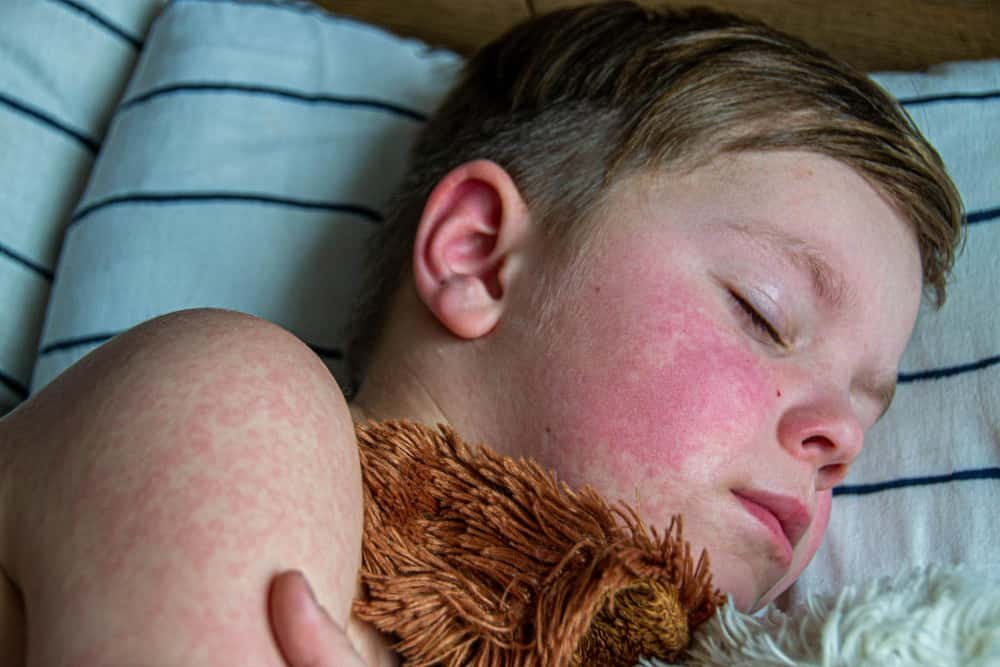
Recognizing symptoms helps with early medical care
The important thing to know about measles prevention is how the measles virus spreads through people.
[Infected Person Coughs or Sneezes]
- The Air Has Droplets from the Measles Virus (These can stay in the air for up to 2 hours)
- Other People Breathe Them In
- The Droplets Fall on Things Like Doorknobs, Tables, and Toys
- People Touch These Things and Then Touch Their Face
The measles virus is in the mucus of the nose and throat of the person with measles. When they cough or sneeze, tiny drops go into the air. You can get measles by:
- Breathing in the air where someone with measles has coughed or sneezed.
- Touching something that has the measles virus on it, like a doorknob or a toy. Then touching your eyes, nose or mouth.
- Being close to someone with measles, like hugging them or sharing food with them.
Some places are more likely to spread the measles virus because of how it spreads. Places, like schools, daycares, aeroplanes, movie theatres, and bus stations, are more likely to spread the measles virus because they are crowded and have air that everyone shares.
How to Protect Your Family During a Measles Outbreak
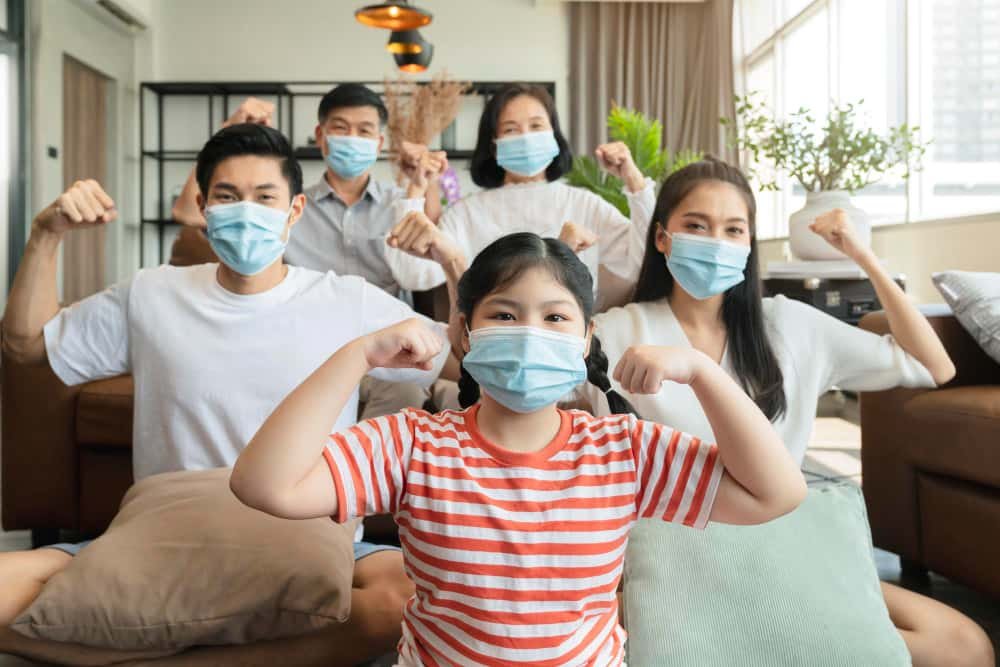
Extra precautions help protect vulnerable people
We need to take care of the people in our homes who cannot take care of themselves. Babies who are less than one year old are too young to get their first vaccine shot. They have to depend on the people around them to stay safe. Some people are getting chemotherapy. They have autoimmune disorders. These people cannot get vaccines.
They need everyone in the community to help prevent measles so they can be safe too. Measles prevention is like a shield that protects them. We have to make sure measles does not spread so that The Vulnerable people, like babies and sick individuals, can stay healthy.
We need to think about the people, like babies, and make sure they are safe. Vulnerable people, like individuals, need our help to stay safe from measles. We have to do our part to prevent measles from spreading so that the vulnerable people can stay healthy.
When you have kids or your family is at risk of a measles outbreak, these are some tips to keep you and your loved ones safe. Firstly, the most efficient way to keep your kids safe from this very contagious disease is to get them vaccinated for measles, in a schedule of 2 doses. The first dose is for kids aged 12-15 months, and the second dose is for kids aged 4-6 years. By following the measles vaccine schedule strictly, you will ensure you protect your child fully. Stay calm, and let’s create a strategy for your family’s safety:
Step 1: Vaccinate all members of your family. Protecting your family against measles relies primarily on ensuring every member of your family gets the measles vaccine.
Children: Double-check the kids’ vaccination records and verify if they’ve already taken the measles vaccine on schedule.
Kids should be vaccinated in two phases: at the ages of 12-15 months, and between 4 and 6 years old.
If kids receive the measles vaccine at the proper time, they should be adequately protected from the infection.
Adults: Find out your past vaccination records and double-check if you have already been vaccinated for measles. If you were born after 1957 and don’t remember whether you have taken the vaccine, you should talk to your family doctor about possibly taking it. If there’s some doubt about your vaccine record, an MMR titer test may be obtained.
Step 2: Make members of your family wash their hands regularly. The measles virus is airborne, but cleaning surfaces and washing your hands when many family members are sharing a space is crucial to avoid infection. Teach children to wash their hands thoroughly: Kids should wash their hands for at least 20 seconds after every playtime, especially outdoors, after they’ve attended school or been to any store. Family shared spaces: It is essential to clean any hard surfaces with an antibacterial spray or a wipe, such as doorknobs, refrigerator handles, or tablets, to kill the virus. Wash your hands immediately after touching anything; always avoid touching your face when only the surface of an object has been recently touched.
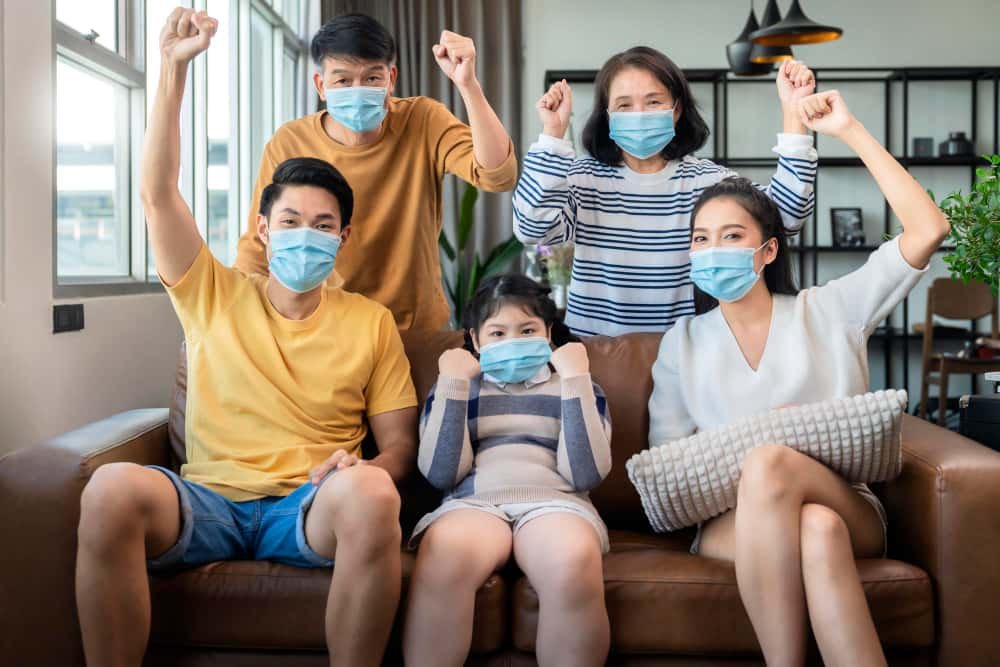
Step 3: Be careful in public spaces. In times of a measles outbreak, extra precautions should be taken while visiting any public area. Masks: Always wear a mask if going out during a measles outbreak, as it helps keep you from contracting the virus. Avoid crowded indoor places: Children may need to be kept away from public places such as malls or play centers when not fully vaccinated, so outdoor activities, such as visiting parks, are highly recommended instead.
Travel precautions: If you are travelling abroad or to a nearby region, check for current outbreaks of measles in the region. What to do in case there is a measles outbreak in your region: If your family is fully vaccinated, wash your hands often as usual. Make sure everyone has an up-to-date measles vaccine. Always follow the school and health department alerts. If your family is not vaccinated, go and get the measles vaccine immediately. Wash your hands often and wear a mask when close to other people. Talk to your family doctor about possible alternatives, such as getting a blood test for measles antibodies.
Also Read: Raw Food Diets: Are They Truly Healthier?
You naturally want to know what is going into your family’s bodies. It is really important to know what is true and what is not. You have to separate the myths you find on the internet from the facts that doctors and scientists know. The Measles vaccine, which also protects against Mumps and rubella, is one of the carefully checked medical solutions in the world.
Extensive Clinical Track Record
The Measles vaccine has been used by people around the world for more than fifty years. A lot of people have gotten the vaccine. It has been proven to be very safe and effective.
Understanding Potential Side Effects
The Measles vaccine can cause some side effects, just like any other medicine. These side effects are a sign that your body is learning how to fight the Measles virus. You might get soreness or redness where you got the shot, or you might get a low fever. Some people get a rash that goes away in a day or two. Rarely, someone might have a serious allergic reaction to the Measles vaccine, but this rarely happens.
The Logic of the Two-Dose System
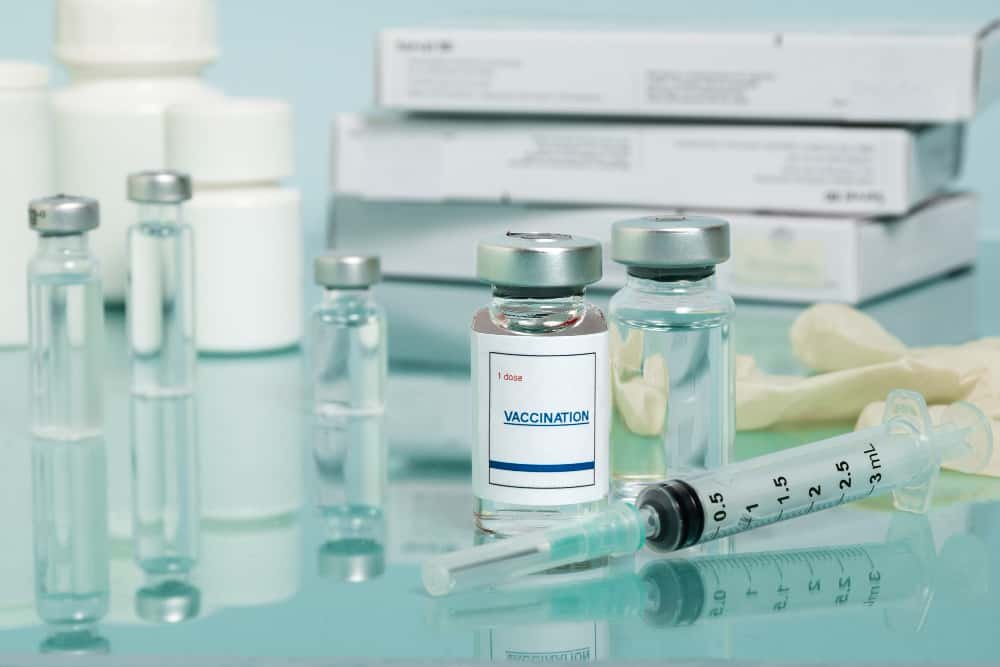
Medical advice helps families make informed decisions
You might wonder why you need to get two shots of the Measles vaccine. The reason is that one shot only protects 93 percent of people. That means if 100 people get one shot, 7 of them might not be fully protected.
If you get the second shot, it protects about 97 percent of people. This way, almost everyone who gets both shots of the Measles vaccine will be protected from Measles.
When a new epidemic shows up all of a sudden, people naturally ask questions. If a product is really good, then why do some people who use it still get sick?
The immune system already knows the virus. It responds right away. This means the infection is not as bad, and it usually does not come with a high fever.
No medical treatment is perfect. Measles is very contagious, so even if someone is vaccinated, they can still get sick if they are around someone with measles all the time, like a parent taking care of a child who has not been vaccinated.
Even if this happens, the vaccine is still working. The body’s immune system knows the virus. It fights back right away. This means the illness is not as severe, and it usually does not come with high fevers.
The rash that covers the body is usually light and does not cover the whole body; it goes away quickly.
The chance of getting bad side effects like pneumonia or brain inflammation is almost zero. The chance of having to go to the hospital or emergency room is zero.
So what happens to a vaccinated person if they catch the virus?
A question that people sometimes ask during outbreaks is, “If the vaccine is so great, then why do people hear about vaccinated individuals getting measles?” This is because no means of disease prevention is one hundred percent. The measles virus is extremely infectious, so even though someone is vaccinated, they may still be exposed and catch the disease if they are in the same vicinity for a long duration, such as a parent who has to care for a sick child who did not get the vaccine and is teeming with the virus.
However, even if a fully vaccinated person becomes sick with measles, the vaccine provides significant benefits. Since their body already recognizes the virus, it has the ability to begin attacking the disease. Therefore, it will not be nearly as severe an illness. There are no fevers at such dangerously high temperatures, and there are not nearly as many skin rashes.
The rash from measles, while there, is not as spread out, nor does it stay on for very long. In fact, in most cases, serious complications that arise in children, such as inflammation of the brain or fatal lung conditions, never arise in a fully vaccinated individual. They will also never be admitted into the emergency room or be taken to a hospital.
So here are some common myths that have arisen around measles, and here are the truths about them.
Myth #1: The myth is that Measles is just something that you get when you are a child. It’s a rite of passage.
The reality is that Measles is actually dangerous. It can result in loss of hearing, hearing and brain damage and pneumonia and conditions that you may not have only in the short-term, but which you’ll have for forever.
Myth #2 is that there have been links found between the MMR vaccine and several conditions, such as disorders, including autism.
The reality is that numerous scientific studies have been undertaken on the matter, and no link has been established. Millions of children over a matter of years have been tracked for this, with hundreds of studies investigating, and still, no link has ever been found.
Myth #3 is that as an adult, there is nothing to worry about as far as measles outbreaks are concerned.
The reality is that measles is just as dangerous a disease for adults as it is for children, too, and adults who haven’t been vaccinated or have been under-vaccinated and get measles are often far sicker than their child counterparts and will often end up in the hospital and have much stronger symptoms of measles than they would if it were contracted by a child.
Knowing When to Connect with a Medical Professional
You should be proactive. Know when to get help from a doctor. This can stop things from happening and keep the virus from spreading in your neighborhood.
In the Event of an Exposure
If you find out that you or your child was in a small room with someone who has measles, you should call your doctor right away.
Do not just go to the clinic. Walk into the waiting room. If you call first, the people who work at the clinic can make a plan for you to come in, or they can set up a meeting over the computer so other patients do not get sick by accident.
If Symptoms Begin to Appear
If someone in your home gets a fever that does not go away, and they also have a cough that will not stop, a runny nose, or a red rash that is spreading, you need to keep them away from the rest of the family right away.
You should call the pediatrician or the doctor who takes care of you and tell them when the symptoms started and what they are. Then you need to do what they say to do so the person can get the help they need.
The Reality of Medical Treatment
You have to remember that no medicine can make measles go away fast. The doctor is only going to be able to help the person feel better while their body fights the virus.
This means giving them things to drink so they do not get too thirsty, giving them medicine to help with the fever, but never giving them aspirin because it can cause a problem called Reye’s syndrome.
You can also use a machine that puts cool air in the room to help them breathe better and have them rest in a quiet, dark room so their eyes do not hurt.
How Communities Can Respond to a Measles Outbreak
The fact that measles came back in 2026 shows us that public health is something we need to think about all the time. We cannot just get to a place and then forget about it. We have to be looking out for public health. It takes all of us to make sure everyone is healthy.
Hearing about measles near our homes may be scary, but we are not helpless. We have a lot of medical science and powerful things we can do every day to help prevent measles. We can do things now to help prevent measles.
To help prevent measles in our homes, we should focus on things that we know work. We should make sure we have a trusted source for information about the measles vaccine. We should try to follow daily health tips that keep our homes and families safe.
We also need to think about the people around us, like the baby, down the street, who’s too young to get a measles vaccine, the pregnant colleague who cannot get vaccinated and the friend who has a weakened immune system. We should stay on top of what’s going on with measles. We should check our family immunisation records.
Ask our doctor for help if we need it. If we can all prepare and get involved together, we can help keep our homes, our families, and our communities. Healthy. We can do this if we all work together to prevent measles.
Frequently Asked Questions FAQ
The first thing I need to do if I think a member of my family has measles is to take action.
If I believe a family member has measles, I should keep the individual completely away from everyone at home and in public spaces. I should call my family doctor or local health clinic away before going there so they can take the necessary steps to prevent measles from spreading to other people at their office.
How long does it take for symptoms of measles to show up after someone is exposed?
Symptoms of measles usually appear between 7 and 14 days after someone is exposed to measles, and can take up to 21 days for the symptoms to appear, which are like a cold.
Is it okay for an adult who does not have proof of getting the MMR vaccine when they were a kid to get the vaccine now?
Yes, it is perfectly fine for an adult who does not have proof of getting the MMR vaccine against measles, mumps and rubella when they were young to get the MMR vaccine. The MMR vaccine will help my body. Get stronger protection against measles or build protection if I do not already have it. Getting the MMR vaccine will not cause any health problems.
Why Is Herd Immunity Important During a Measles Outbreak?
The community is protected by a ring around it if more than ninety five percent of the community is vaccinated against the virus.
The measles virus has a hard time looking for unvaccinated members within the community and finds it more of an ordeal, and it will have a limited amount of time to infect members.
Therefore, herd immunity protects those vulnerable and unable to have the measles vaccine, such as cancer patients or newborn babies, from the measles virus. Infants and cancer patients have the measles vaccine taken away from them, as it can cause them to become very sick. These groups are defenceless, so herd immunity immunises them to the measles virus without having to have it themselves.