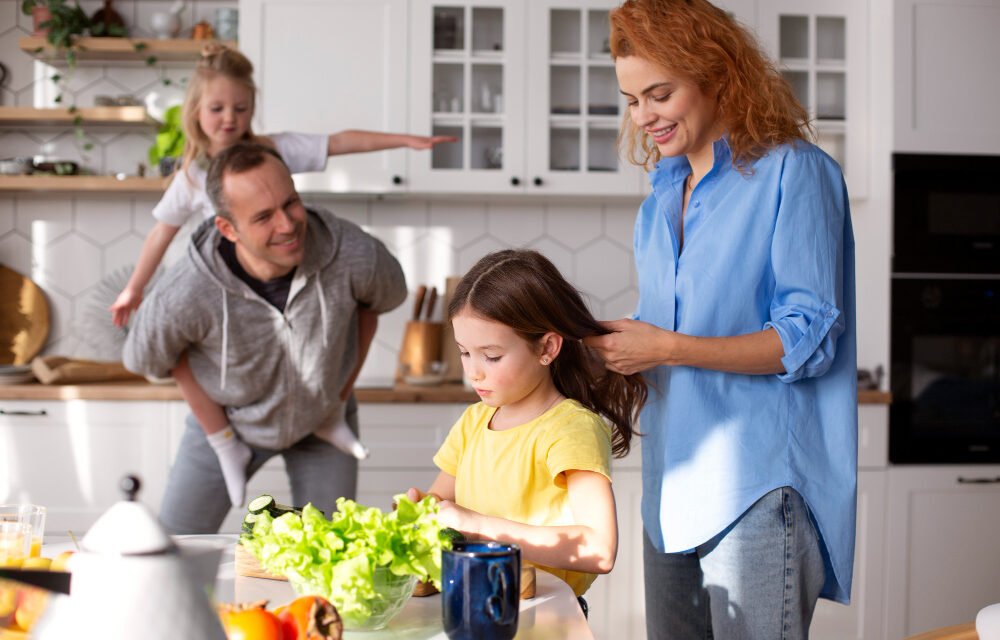
Parenting and Habit building play a crucial role in moulding a child’s behavior and fostering a sense of harmony within the family.
Habits provide a framework for daily activities, helping both kids and adults feel secure and emotionally balanced throughout the day.
That’s why it’s important for parents to admit how their actions, especially significantly impact the routine.
Adults can also reap the benefits of these principles. As the shared habits foster consistency, alleviate stress, and strengthen family bonds over time.
Parenting and Habit Building: Why It Starts at Home
Kids are like little sponges, soaking up everything they see from their parents.
They naturally pick up habits through daily observation, repetition, and agreeing interaction at home.
This is why it’s crucial for parents to model positive behavior, children are more likely to do what they see rather than what they hear.
Additionally, the good habits established early on can shape how kids manage responsibilities, routines, and their emotions later in life.
When parents lead by example, they set off a chain reaction that encourages the whole family to adopt their lifestyle choices.
The Psychology Behind Parenting and Habit Building
Habits are formed when the brain recognizes the cue, carries out routine, and receives a reward, which reinforces that behavior over time.
This is why using clear cues, like alarms or checklists, can help children link tasks with predictable outcome and positive reinforcement.
Adults can really gain from this approach as well. It helps sharpen focus cut down on decision fatigue, and encourages consistency in reaching personal goals.
So, patience and consistency are key, they help make habits stick and ensure that changes feel natural rather than forced.
Effective Strategies for Habit Building in Children
Use Routine and Structure
Creating continue morning and bedtime routines can really help kids feel secure, focused, and ready to tackle their daily tasks.
Additionally, having set time for meals, play, and study adds a nice rhythm to their day, so they know what to expect.
Make Habits Fun and Rewarding
When you introduce new habits through fun games, stickers, or even a little praise. Kids can get more excited about repeating those actions regularly.
Turning tasks into playful challenges keeps them motivate high and helps them associate positive feelings.
We are Role Model for Habit Building
Kids have knack for copying what adults do. That’s why it’s really crucial for parents to set to set a good example and demonstrate consistent habits in their everyday routines.
When children see their parents managing time well or enjoying a good book, they are more likely to adopt those habits themselves.
Read Also: Teach Gratitude and Kindness to Your Kids
Parenting and Habit Building: How Adults can Benefit Too
Parents can find more structure, energy, and mental clarity when they focus on building and maintaining positive habits.
Additionally, setting shared goals like going for daily walks or reading together can strengthen family bonds.
Creating the shared ritual not only improves communication but also helps manage stress.
It showing kids that adults are always learning and growing too.
So, habit building has become more than just a parenting tool it’s a fantastic self-development strategy for the whole family.
Tools and Techniques to Support Habit Formation
Using visual aids like chart or calendars can help kids track their progress and grasp the steps involved in forming new habits.
Additionally, habit tracker apps or journals can guide adults in staying consistent and seeing real growth in their personal routines.
Storytelling and role-play are also great ways for young children to understand abstract habits in a fun, engaging way.
Common Challenges in Parenting and Habit Building
- Kids of one push back against new routines, especially when they seem strange, uncomfortable, or just too hard to handle.
- To help them adjust, break those habits down into smaller, Bite sized steps that are easier for them to grasp.
- Instead of putting them under pressure, focus on offering study support and encouragement, especially during challenging transitions.
- Parents can hit bumps in the road as well, especially when stress or old habits get in the way of progress.
- Begin a new with one example habit and take the time to celebrate those little bits of freedom to build self-confidence.
Conclusion
Parenting and building habits are closely twist, influencing behaviors that can lead to success, health, and emotional well-being for everyone in the family.
Intentional habits create stability, foster independence, and help reduce daily stress for the whole family, especially during hectic times.
Since small habits can lead to significant results, it’s crucial to begin now with one clear action and shared family goal.
When families grow together through these habits, they strengthen their relationship and create more meaningful daily experiences