Parenting Smart: Routines that Support Infant Brain Growth
Research says that the first initial years are very important for kids’ brain development. Meanwhile, this time, the brain creates more than a million new neural connections every second. While this may sound overpowering, the good part is that everyday routines at home play a powerful role in forming your baby’s cognitive, emotional, and social development. Expensive toys and unnecessary exposure is not smart parenting. It’s all about love, consistency, and deliberate interaction.
Talk, Sing, and Read Every Day
Babies love to talk and language is the basics of learning. Talking to your baby whether during diaper changes, feeding, or bath time. Start with the rhythm of speech and introduce new vocabulary. Describe your actions, tell about objects around them, and respond to their whisper. Singing lullabies with action and rhymes that not only makes your baby comfortable but also supports memory and hearing development.
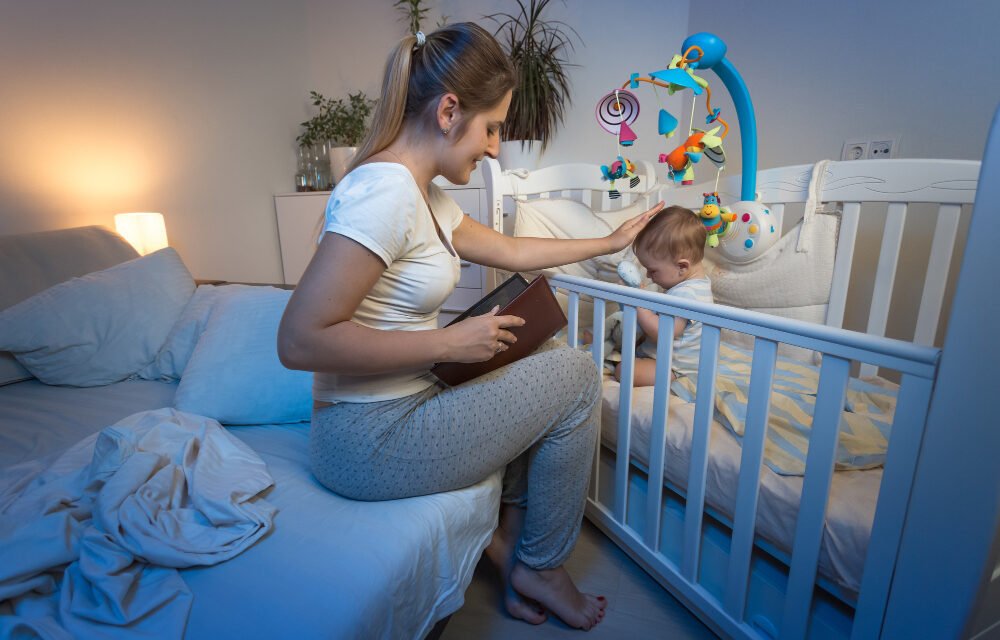
Introducing reading concepts on a daily basis, even with newborns. It helps build listening skills and imagination. Choose books with colorful pictures and rhythmic stories. The shared warmth and focused attention during reading also strengthens the emotional bond between parent and child.
Constant Practices Create a Safe Environment
To create a disciplined environment establishing daily routines like regular feeding, sleeping, and playtime gives infants a sense of security and predictability. A safe and secure environment decreases anxiety and helps babies feel comfort. It is essential for healthy brain development. When a baby knows what to look for, it builds confidence and trust that are the key components of emotional and cognitive growth.
Motivate for Exploration Through Play
Simple activities like tummy time, stacking blocks, or exploring soft textures stimulate motor and sensory skills. you can provide safe, age-appropriate toys and allow your baby to reach, grasp, shake, and mouth objects. These actions motivate fine motor skills and hand-eye coordination.
Take your baby outside for walks in nature. Point out birds, trees, or passing cars. The variety of sights, sounds, and smells provides valuable sensory input and encourages curiosity about the world.
Healthy Touch and Bonding Time
Holding, cuddling, and skin-to-skin contact offer more than comfort—they are vital to emotional and brain development. Physical touch activates areas of the brain responsible for emotional regulation and stress relief. Gentle massages, hugging, or simply rocking your baby in your arms strengthens your bond and supports their sense of security.
Limit Screens and Focus on Face Time
Infants learn best from real-life interaction. Too much screen time can delay language and social skills. Instead of placing your baby in front of a screen, make eye contact, smile, and mimic their facial expressions. This face-to-face engagement helps develop emotional intelligence and communication skills.
Final Thought
You don’t need to be a child development expert to support your baby’s brain growth. Through everyday routines—talking, playing, cuddling, and showing love—you are giving your child a strong foundation for lifelong learning. The most powerful tools are your time, attention, and affection. Parenting smart is really about parenting from the heart.
Also Read: How to Travel with Little Kids: Simple Tips for Parents