2026 is the year to destigmatize conversations about menstruation. Menstruation is completely normal, yet it has been hidden in silence and stigma for decades. Although schools are responsible for some of the period education at home for kids, these lessons often only cover the biological experience of having periods, neglecting to teach about the social, emotional, and practical aspects of menstruation. Here, parents play a crucial role in educating children about the process in their homes.
When parents discuss their experiences openly with their children, they normalize puberty, increase their children’s self-esteem, and educate children on taboos.
Why Period Education at home Matters in 2026
- Increased awareness around menstrual health: Global campaigns have emphasized menstrual hygiene awareness for teens.
- Misinformation circulating on social media: Kids often turn to the internet for guidance and depend on friends, who tend to repeat myths. Hence, proper menstruation education for children is crucial.
- Period poverty and stigma still exist: Millions of girls across the globe still have to endure period poverty, which means they do not have access to products, education, and dignity. Also, stigma is still prevalent in conservative communities.
- Gender equality conversations are more relevant: Boys learning about periods can normalize the discussion and the stigmas that might come with it. Hence, period education for boys and girls is vital for gender equality in 2026.
Why Parents Should Take the Lead
- Emotional comfort & trust: Children feel more comfortable asking their parents than their teachers.
- Schools present biological facts, but parents provide practical and emotional guidance, which is often missing at school.
- Accurate, age-appropriate information: Parents can adjust the talk based on their children’s maturity.
- Breaking generational stigma: By having open conversations about menstruation as a family, we can heal cultural taboos that have long existed.
Benefits of Teaching Period Education at Home
- Encourages body positivity and confidence.
- Helps children better cope in advance of puberty.
- Reduces myths and shame, promoting open conversations.
- Fosters empathy with peers and siblings.
- Encourages healthy habits, from hygiene to healthy eating and tracking their cycle.
When parents discuss menstruation openly, children view periods as a natural part of life.
How can parents teach period education at home effectively? Here are some practical tips.
- Early start: Start discussing puberty in basic terms as early as 7, 8, and 9 years old.
- Accurate Terminology: Using accurate terms such as “uterus,” “menstruation,” and “pads. This gives a scientific perspective and assures clarity.
- Try to normalize periods in everyday life: When shopping for supplies, casually mention cycle-tracking products.
- Talk about your experience: A parent’s experience is much easier to relate to than anyone else’s.
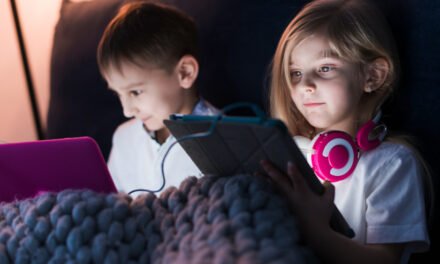
- Use technology: Books, the internet, and apps with teen-friendly tools can make learning relatable.
Common Mistakes Parents Should Avoid
- Limiting the conversations to “girls-only” discussions.
- Using a general euphemism like “that time of the month.
- Forgetting about emotional, in addition to physical, changes.
- Thinking of it as a one-time talk instead of an ongoing conversation.
FAQs – Kids May Ask
What is a period?
A period is a part of the menstrual cycle when blood from the uterus flows from the vagina. It is a monthly cycle.
Does it hurt?
Some women experience cramps. However, rest, heat, or medicine can be healing.
Why do only girls get periods?
Only girls have a uterus, which sheds its lining every month.
What products can the person use?
Pads, tampons, menstrual cups, period underwear.
What should I do if I get my period in school?
Always carry a pad, ask a teacher, or ask a friend for help. Schools usually offer support.
Can boys learn about periods, too?
Certainly! It promotes empathy and reduces stigma.
Will my period be regular from the start?
Periods may take years to regulate.
Practical Tips for Parents in 2025
- Get teen-friendly period trackers or apps.
- Recommend digital resources such as educational videos, podcasts, and interactive apps.
- Encourage open discussion about menstruation in the family, free of stigma.
- Create a “first period kit” containing pads, underwear, wipes, and a note of encouragement.
Conclusion
Home education is essential. Parents expand on school lessons, offering support for practical, emotional, and cultural needs.
Teaching menstruation at home prepares children for puberty and builds empathy, confidence, and healthy habits for life.
Start today—normalizing periods at home makes a lasting difference for your child.
FAQs About the Importance of Period Education at home
Why is period education important in 2026?
Period education matters due to lasting stigma, poverty, and the ongoing need for accurate information.
At what age should parents start the conversation about periods?
You can start the conversation at around 7-9 years old.
How can parents make the conversation about periods less awkward?
You can normalize it by using proper terminology, remaining calm, and talking about it like any other health topic.
Should boys learn about menstruation too?
Yes, this will help reduce stigma and build empathy.
What resources might help parents teach period education at home?
Books, age-appropriate videos, period tracker apps, and personal stories can all help with learning and connecting with the knowledge.