Postpartum Survival Guide: Simultaneously Caring for Baby and Mom
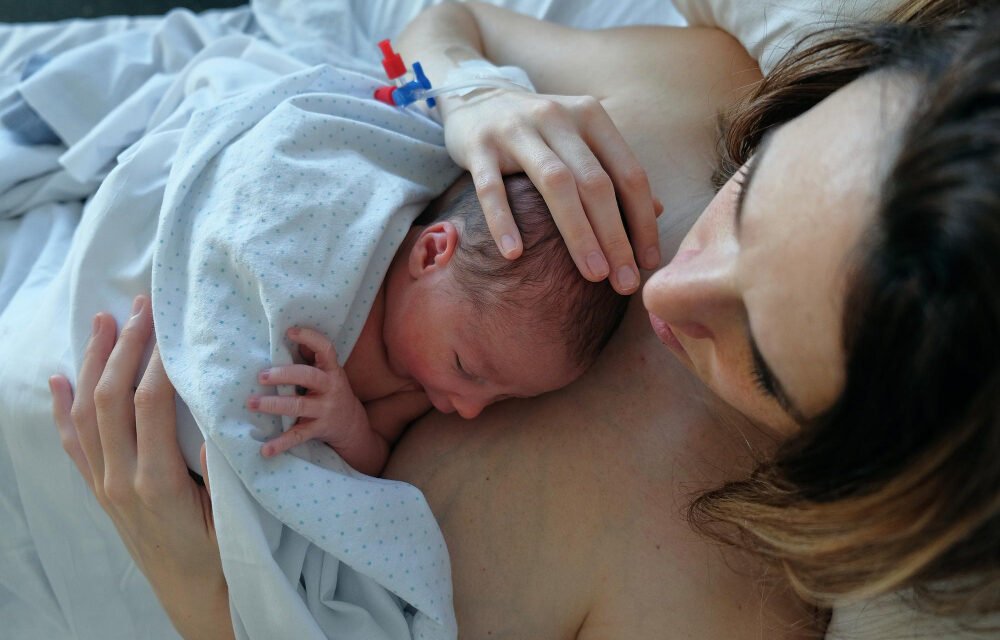
Postpartum or so-called “fourth trimester” is a period of transformation for the mother and the baby. It lasts for about six to twelve weeks after giving birth. And is characterized by dramatic physical, emotional, and social transitions. In order to properly navigate the period. Required is a well-rounded support network with emphasis on the well-being of the mother and the infant.
Physical Healing for Mother
The physical condition of the woman recovers very well after giving birth. Rest is essential; there needs to be a lot of sleep whenever it is possible, which can be sleeping at the same hours. The baby does and having help with the household. Nutrition is also very essential. A diet with a combination of protein, iron, and calcium helps to recover and promote milk production.Drinking plenty of water during the day is also vital, so hydration is a must. Mild exercise with the guidance of a medical provider can help regain one’s physical strength and level of energy. Mothers should also be careful about their physical state, visiting medical attention. If there is an unusual presentation like fever, excessive pain, or excessive blood loss.
Emotional and Mental Health
The postpartum period can be an emotional rollercoaster filled with depression and fear, as well as joy. The changing hormones, lack of sleep, and need to care for the newborn can all change the way one is feeling. It is essential that the new mother share and acknowledge her feelings. Support networks are essential, and those networks can be composed of partners, family, friends, or support groups. One can openly share their feelings and needs so one does not feel alone. If a mother is dealing with chronic depression, hopelessness, or thoughts of harming the baby or themselves, a therapist or psychiatrist must step in. Mental health is just as much a part of the human condition as physical health, and one needs help as a sign of one’s strength, not weakness.
Also Read: Pregnancy Care Tips: A Simple Week-by-Week Trimester Guide
Caring for the Newborn before Postpartum
The birth brings new demands as well as challenges. The creation of a feeding routine, whether breastfeeding or formula feeding, is a main priority. Seeking the advice of a lactation consultant or a pediatrician can be a trusted aid. The creation of a safe sleeping area for the baby is also essential, following recommendations for the prevention of sudden infant death syndrome (SIDS). Parents also must learn the baby’s cues for hunger, sleeping, and comfort. Routine practices such as the routines for bath and bedtime can reassure and secure the baby. Routine visits with a pediatrician are also essential for monitoring the growth and development of the baby and for the resolution of any health problem.
Build a strong support network
The most vital factor for a successful postpartum period is a strong support network. Partners are also essential to help with emotional and practical support. Friends and relatives can also be called for assistance with meals, errands, and child care. Procuring the services of a postpartum doula who can give non-medical care and advice is also a good idea. Participation in a new parents’ group will also make one feel a belonging and a platform for mothers to share experiences and learn from each other. Do not forget to ask for help, for it is not a demonstration of a person’s weakness, but of its strength.
Helpful Tips and Sources for Postpartum
- Meal Prep: Pre-cooked and fridge/freezer meals.
- Assign Household Work: Request assistance with household tasks.
- Accept Offers of Help: Accept assistance the instant you are offered it.
- Prioritize Self-Care: Create room for relaxing and enjoyable activities.
- See professionals: Seek the advice of medical professionals for issues.
- Make use of Community Support: Make use of community support groups and parenting classes.
The postpartum period is a period of many adjustments. With the focus laid upon the physical health of both mother and child, and the creation of a solid support network, the family can navigate this transition period with less tension and more harmony.