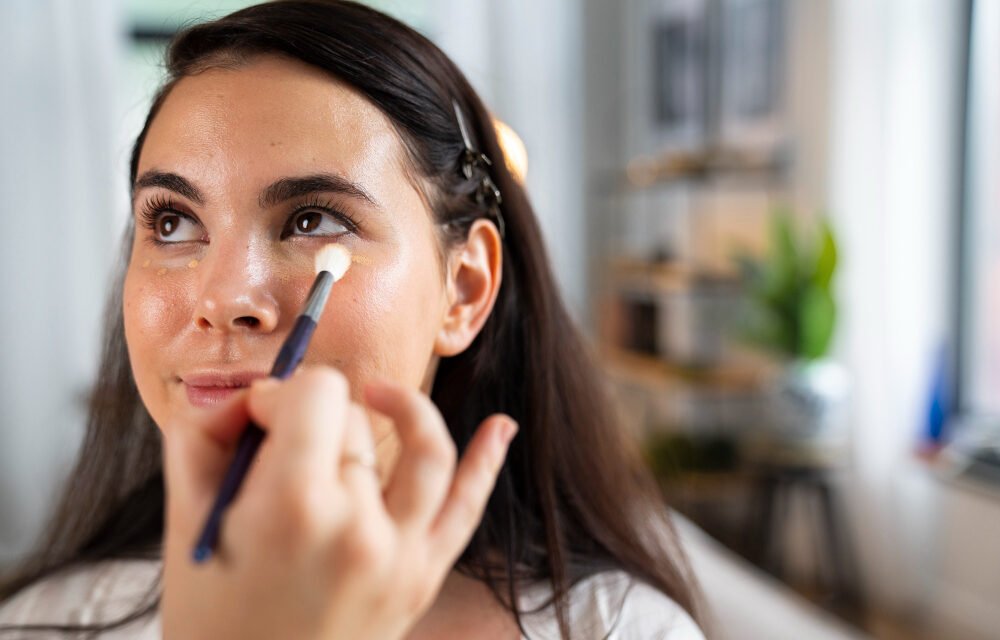
A flawless and smooth makeup look always starts with the correct base. And the trick to that base is primer. This stuff is like a magic sheet that prepares your skin for foundation. But with so many choices available, how can you possibly know what primer is best for you? This primer guide will tell you how to choose the best one for your skin type and tone.
Also Read: Sticky Skin Trouble? Try These 6 Tips for a Fresh Look
Why primer matters in your makeup routine
Primer is more than just an extra step in makeup. It blurs pores, controls shine, hydrates dry patches, and makes foundation last longer. If you have ever struggled with patchy or cakey makeup, using a primer can solve that. Think of it as your makeup base primer that ensures a flawless finish every time.
Primer for skin type – finding your perfect match
-
Best primer for oily skin
If your skin becomes oily in hours, try a mattifying primer. It regulates excess oil and reduces pores. Check for words such as oil-control or shine-free on the packaging.
-
Best primer for dry skin
Dry skin requires additional moisture. Select a hydrating primer containing substances such as hyaluronic acid or glycerin. It stops your foundation from seeping into dry patches.
-
Primer for combination skin
Combination skin might be tricky since you might have oily and dry patches at the same time. Try a variety of primer that dries out the T-zone and moisturizes the cheeks simultaneously.
-
Sensitive skin primer
In case of redness or irritation, opt for a fragrance-free primer formula with soothing properties such as aloe or chamomile. Non-comedogenic primer is advisable since it will not clog pores.
How to select primer shade according to your skin tone
Not all primers are transparent. Several colored versions correct skin issues. For instance, a green primer counteracts redness, peach improves pale skin, and lavender even cancels out yellow undertones. Getting the right shade guarantees your foundation appears even and natural. This primer guide step can totally change your make-up look.
Step-by-step guide: How to apply primer correctly
- Begin with a clean, moisturized face.
- Apply a pea-sized amount of primer.
- Use it on trouble spots such as the T-zone, cheeks, or around the eyes.
- Gently blend with your fingertips.
- Let it sit for one minute before putting on foundation.
This easy step extends the life of your makeup base primer and gives your makeup a smoother appearance.
Pro tips to extend the life of your primer
- Use the correct foundation with your primer. For instance, use a water-based foundation with a water-based primer.
- Don’t overdo it; too much product will cause your makeup to slide right off.
- Tune your primer to climate. A mattifying primer is best used in wet weather, and a moisturizing one for winter.
These tips from our primer guide will make your makeup last the whole day.
(FAQs)
Do I really need a primer for everyday makeup?
Not necessarily, but if you desire long-lasting, smooth make-up, then primer is a clever move.
Can one primer suit all skin types?
No. The greatest results are achieved by choosing a primer that matches your skin type and issues.
How much primer do I need to apply?
A pea amount is sufficient for the entire face. Less is better.
What is the difference between primer and moisturizer?
Moisturizer moisturizes your skin, while primer provides a smooth base for makeup. They complement each other perfectly.
Conclusion
The proper primer can turn your makeup routine around. Whether you have oily or dry or sensitive skin, there is an ideal formula for you. Always keep both your shade requirements as well as your skin type in mind before making a purchase. Now that you know exactly how to choose the perfect primer and apply it, thanks to this primer guide.
Also Read: Daily Skincare Mistakes to Avoid for Clear Skin