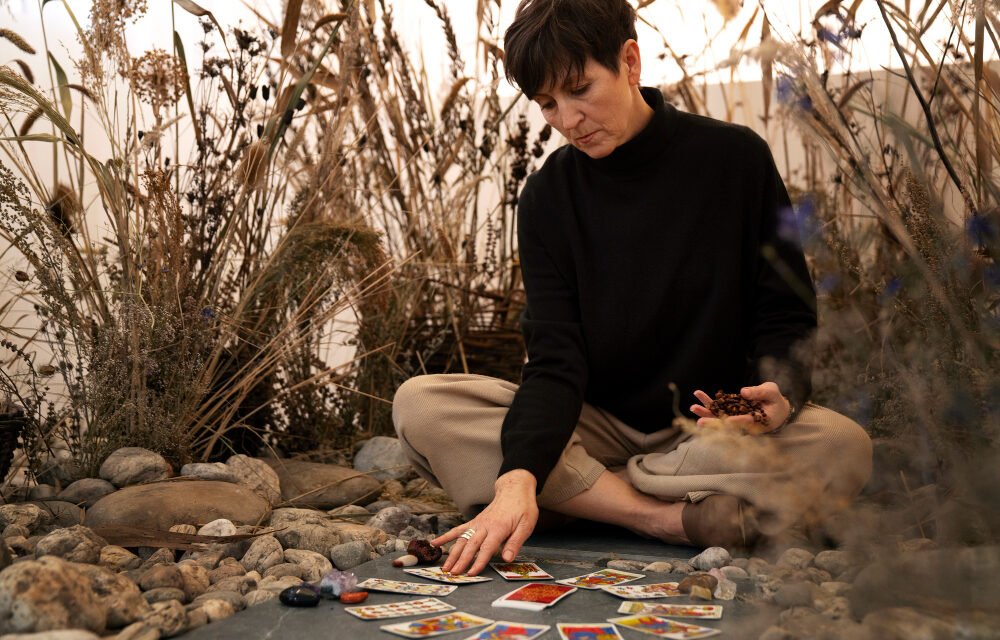
Shadow work is an intimate pilgrimage toward the undisguised self. At its heart lies the venture of unearthing and unifying what has long been banished to the periphery. Each piece cast aside—whether because of inherited norms or the jarring moments that life delivers—carries both the seeds of potential and the chains of unexpressed grief. Within this crucible of recovery, the tarot emerges not merely as cards but as an ancient language that converses with our bones and breathes with our intuition. By marrying the two fields—working with shadow and reading the cards—one witnesses self-riddance turn, instead, to self-recognition, self-repair, and the passionate metamorphosis that follows.
Also Read: Chakras and Their Meanings: Color, Element, and Purpose
Understanding the Shadow Work
The shadow self is anything that inhabits the basement of the psyche: the rage we dared not utter, the traumas that mold and rot long after their day has set, and the “flaws” pinned to the mirror as failures. None carries built-in guilt; what burdens them, repeatedly, is our continued dismissal. When the repressed pile higher, the psyche eventually revolts with sabotage, wounds, and later, the hushed despair of the authentic voice pleading from the depths. The call to shadow work returns that petition. By midwife of lidded cards and beating heart, we lift the layers, we dot the timelines, and we name what has tasted dust for too long. No longer ossified evidence of our sin, each embraces the invitation to reunion.
Tarot as a Mirror
Tarot functions like a quiet mirror, reflecting the soul’s unsung terrain and illuminating the hidden crevices of the psyche where light seldom falls. Every card is a doorway into the collective human story—a present image that is at once familiar, strange, and unapologetically honest. When we lay these cards on the table, we catch glimpses of the shadow self, of forgotten wounds, of patterns so ingrained that we mistake them for destiny. The cards signal where we do not want to look: a neglected grief, an unexamined story, a belief that caps our growth. Naming these quiet truths is the threshold we step through to excavation, release, and the uncomfortable but necessary chore of becoming larger than our wounds.
The Process of Shadow Work with Tarot
The journey of shadow work alongside the cards follows a few generous, co-creative guidelines:
- Choose or craft spreads that privilege the hidden and the unmasked. A card for the emotion you refuse to name, for the belief that paralyzes, for the tender sore inside that wants to heal must be there. The spread must be a map, not a shortcut.
- Pose questions that refuse easy answers and demand the heart be the one to answer. What frightened child still lives inside that ache? What underlying story do you continue to write? What gesture of kindness reinstates you as the keeper of your own legend? Let the questions be unbearably subtle so the tender truth can find you.
- Let each card’s story reach you personally. Hold the card to your chest and listen for its pulse within your own. What are the snake, the sword, and the cauldron of this image saying to your dinner table tonight? What tear, what ache, what unknown response stirs within you? The work is not then; it is now. Trust the image to tell you today what the yesterday you still need to surrender.
- Journaling and reflection: set aside a quiet moment to write after your reading—let your journal hold the hush that follows a revelation. Name the feelings that surfaced, the quiet signals that began to pattern. Jot down the one or two concrete steps that feel resolute enough to carry into tomorrow.
Emotional Release Techniques
Shadow work with tarot invites buried feelings to rise—your task then is to do the following to meet them.
- Emotional Expression: decide to feel what is already knocking. Cry, yell, laugh, or thrum your body across the floor exactly as the card balance recommends.
- Creative exhalation: paint the encountered symbol, drum to its rhythm, and poem its line until the weight shifts.
- Therapeutic Practices: glue your tarot nights to next-morning meditation, mindful stretches, or gentle sessions with a guide.
- Self-kindness: suppose the discards you name in the separation begin their return as an exile.
Benefits of Shadow Work with Tarot
Using tarot as a partner in shadow work shapes the journey in wonderful ways:
- Enhanced Self-Insight: Each spread invites you to catch subconscious beliefs before they vanish back into daily noise.
- Sore-Spot Care: Pull the card that reveals grief you thought you tucked away; the image lollypops you a safe space to gently blow the dust off.
- Future You: Every flipped card shines a limiting belief’s cracked mask; the whispered shadow pops to the surface so you can write a new story together.
- Brace-to-Truth: You discern the ring-shaped script of guilt or perfectionism and write a personal declaration that the authentic self can finally believe.
- Total Dialogue: When you correctly value the lurking voices in your head, you automatically invite the true you and others to the chorus, and your friendships finally keep in tempo.
Conclusion
Letting tarot and shadow work operate as co-therapists invites a quiet miracle. Every card serves as a gentle tour guide into a part of you that waited decades to be honestly named. You breathe with repressed parts, feeling the squeeze of that grief before you exhale its message—now useful. Doors that previously curled shut with shame swing open: limiting beliefs turn into signposts, with fresh routes replacing stale shame. The kindness you finally extend to your former self automatically ripples outward. The deeper you shut the ex-shamed self the more holes appear in the mask. Having reluctantly done deep work, you surface a more integrated you and mark a milestone in authenticity.
Also Read: Tarot for Absolute Beginners: How to Read Your First Spread