
Hair fall is not just a beauty issue; it’s a bigger issue than people understand. It’s a signal that the body and mind are changing and need something different. In today’s scenario, it’s a very common concern in all age groups. Losing some hair daily is normal, but excessive hair loss can be stressful and contribute to a loss of confidence. Excessive hair loss is a signal that it is time to change daily habits, lifestyle choices, and hair care routines. With small and consistent changes, hair fall will significantly reduce over time.
You don’t need complicated products to fight this. Instead, adopt these simple haircare habits to naturally and holistically restore your hair’s health.
How stress causes hair fall
Constant psychological stress causes your body to release excess cortisol, a stress hormone. This disrupts your hair’s growth cycle, pushing more hair into the shedding phase, called telogen effluvium. You will notice hair thinning or clumps falling out when combing or washing. You can reverse this by adopting these 8 simple habits for internal and external care.
Understand: Why hair falls.
Many factors contribute to hair fall, including poor nutrition, stress, hormonal imbalance, chemical treatments, improper scalp care, and pollution. Many other factors also contribute to hair fall, including seasonal changes, illness, pregnancy, and genetics.
The hair growth cycle follows a step-by-step process: growth, rest, and shedding. Disturbance in this cycle means excessive hair fall. A simple hair care routine helps restore balance and nourish hair from root to tip.
Tips for Simple Hair Care Habits
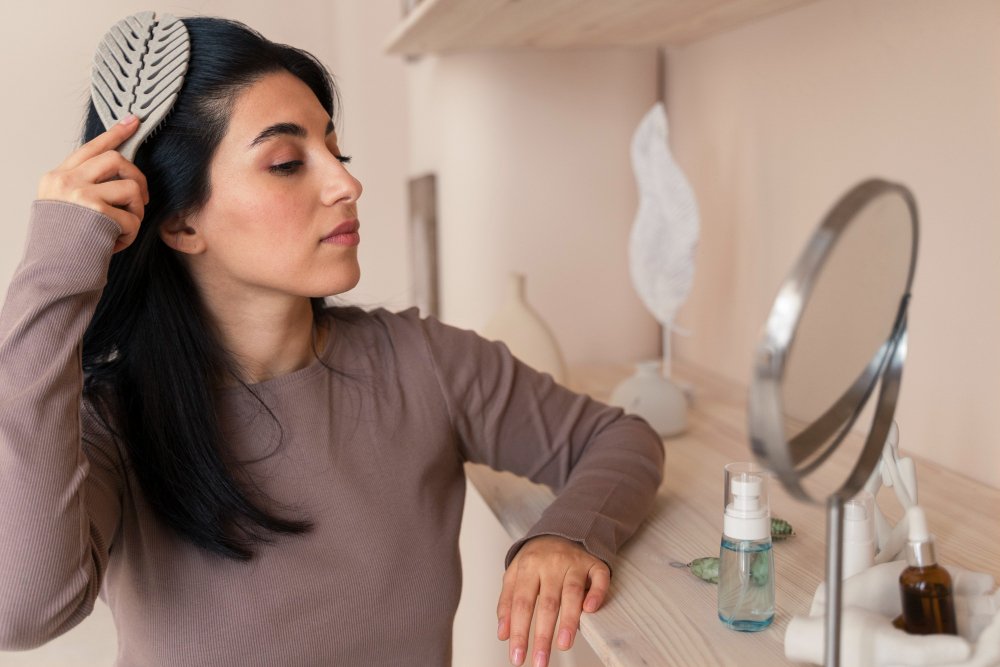
Gentle Hair Wash Routine
Washing hair too early or too rarely can lead to hair fall. Washing too often can strip the scalp of its natural oil, while infrequent washing can lead to dirt, infections, and clogged follicles.
Wash only 2 or 3 times a week. Use lukewarm water instead of too hot. always wash with mild, sulfate-free shampoos, and do not use so much conditioner that weakens the hair root. These simple washing habits promote healthy hair growth.
Regular scalp massage
Scalp massage is the simplest and most powerful habit for reducing hair fall. It enhances blood circulation, boosts hair roots, and calms the mind. Massage gently with fingertips. Natural oils are more effective for massage, such as coconut oil. You can try to massage without oil at least 2-3 times a week for 5 to 10 minutes.
Nourish Hair with Oil in the Right Way

The right oiling strengthens the scalp, but improper oiling can also lead to dirt and infection. Balanced oiling reduces dryness and hair breakage. Best practices are: oiling the hair 1-2 times a week, oiling the hair only for half an hour to 2 hours, and avoiding oil massage overnight if the scalp contains dandruff or an oily scalp.
Conditioning correctly for hair care habits
Hair strands protect from good conditioning. Conditioner works on dryness and damage, reduces hair fall, and gives shine. Only follow simple tips, and these tips improve hair texture. Conditioning only mid-lengths and ends; do not apply conditioner to the scalp; and apply only for 2-3 minutes and then rinse.
Avoid Harsh & Tight Hair styling.
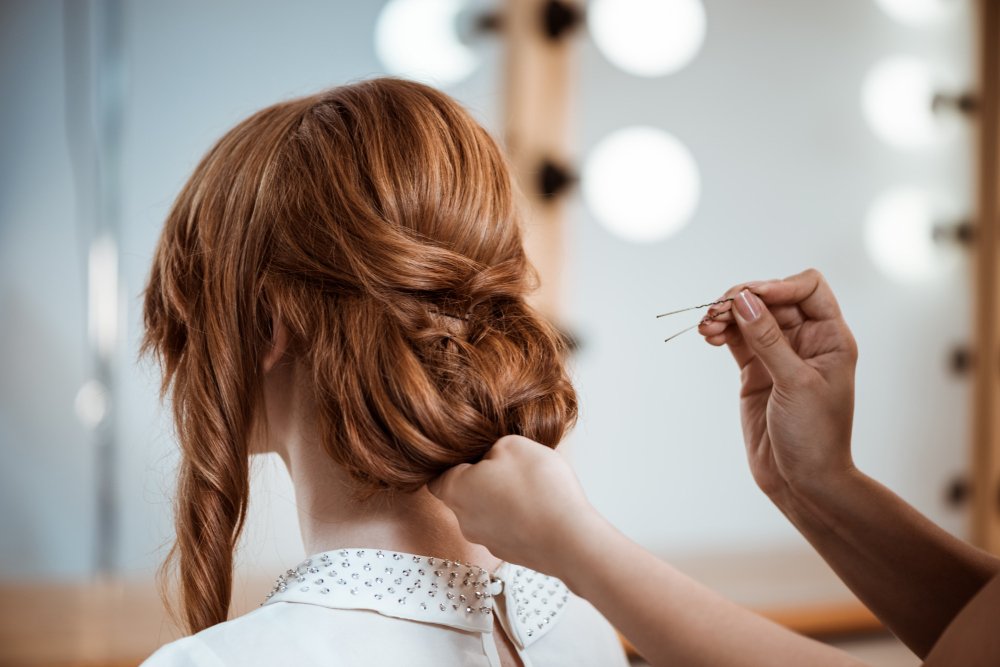
Try to avoid tight ponytails, braids, and buns. Heating styling has a worse impact. It gives stress to the hair roots and causes traction alopecia. A better alternative is to use loose ponytails, buns, and braids, limit heat styling, and always use a heat protectant.
Care for Wet Hair
There is a higher risk of breakage in wet hair. Wet hair is very fragile. So, do not comb wet hair aggressively, use a wide-tooth comb, and do not rub. Try to pat dry with a soft towel.
Right Hair accessories
Hair can break from poor-quality metal clips, tight rubber bands, or hair ties that are worn out. Gentle hair accessories save hair strands over time. Use fabrics, scrunchies, Wooden combs, and seamless hair ties.
Balanced Diet

Diet plays an important role in hair health. Hair falls due to a lack of protein, iron, zinc, and vitamins. A nutritious diet supports hair growth and nourishes hair roots. Water intake should be at least 3-4 litres per day. The diet should be full of protein, green leafy vegetables, fruits, seeds, and whole grains.
Avoid Stress and Sleep Well
Stress triggers hormones, creating an imbalance that disrupts hair growth cycles and leads to hair fall. Stress control boosts scalp health and hair strength. Some healthy habits can help control stress, such as yoga or meditation, and quality sleep of 7-8 hours or more. Try to avoid excessive screen time before bed.
Protect Hair from Climate Change
Excessive sun exposure, pollution, and dust weaken the hair. Protection from these exposures prevents gradual hair thinning. Some protective measures can be followed to save hair from environmental damage. Cover hair when outside the home, especially during travel time. Rinse hair after exposure to dust or sweat. Use a good quality or herbal shampoo.
Trim Hair Regularly

Split ends are a very common problem. Trimming does not increase growth, but it stops split ends from travelling upward and causing breakage. After trimming the hair ends, make it look thicker, healthier, and stronger. Try to trim every 8-12 weeks.
Say no to Chemical Treatment.
Colouring, Rebonding, and perming destroy the hair structure. No chemical treatments are used to save long-term hair health. So sometimes it is necessary to choose expert or professional treatments.
Be consistent and Patient
Hair care results take time. Every person needs customised hair care tailored to their needs. So unrealistic expectations lead to disappointment. Always remember hair growth is gradual. Consistency is necessary. Healthy habits show results in 3-4 months.
Summary of simple hair care habits
Hair loss from stress is real, but you can do something about it. These 8 habits are powerful and proven ways to take control of your hair health. Fix your diet. Improve your sleep.
Start today with one or two simple habits; stick with them. You’ll notice a difference in your hair and your mind.
FAQs related to Simple Hair Care Habits
1. How much time will it take to see results after changing these simple hair care habits?
Visible reduction in hair fall usually takes 6–12 weeks with consistent care, as hair follows a natural growth cycle.
2. Is daily hair washing bad for hair fall?
Daily washing may increase dryness and breakage for most people. Washing 2–3 times a week with a mild shampoo is generally ideal.
3. Can hair fall be reversed naturally?
In many cases, hair fall caused by stress, poor diet, or improper care can be reduced and stopped with healthy habits.
4. Are natural remedies good or chemical products in hair care habits?
Natural remedies are gentler and suitable for long-term use, but effectiveness varies by individual hair type and concern.
5. Is hair fall normal during seasonal changes?
Yes, mild seasonal hair fall is normal and usually temporary.
Also Read: The Black Water Secret to Gorgeous Hair