
A good night’s sleep is imperative for your physical and mental health. Yet, it’s not the quantity of sleep—it’s the quality of sleep. Your sleeping position is vital to your health. Indeed, Sleeping Position Matters more than most people know. From arthritic joint pain to digestion to heart health, the quality of your sleep can support or undermine your well-being.
Let’s see how Sleeping Position Matters and what you can do to improve sleep and improve health.
Also Read: Say Goodbye to Bad Breath with Simple Daily Habits
Why sleeping position matters for your health
First of all, your sleeping posture influences the positioning of your spine, the relaxation of your muscles, and even the efficiency of your internal organs. For instance, bad posture may limit breathing, cause pressure on some muscles, or result in chronic pain.
As sleep specialist Dr. Raj Mehta says, “The sleeping position people choose can either help their body heal or contribute to chronic issues like acid reflux, lower back pain, and sleep apnea.” Obviously, Sleeping Position Matters in terms of long-term physical balance.
Typical sleeping positions and how they impact us
Back sleeping: is it always best?
Back sleeping is usually the preferred position by doctors as it encourages natural spinal alignment and takes pressure off joints. But it’s not suitable for everyone. For example, it can exacerbate snoring and elevate the risk of sleep apnea in some people.
Side sleeping: popular but problematic?
The majority of individuals side-sleep. This is a great position for minimizing acid reflux and is a safe position during pregnancy. However, it’s not ideal—it can lead to shoulder pain and can create facial wrinkles due to sustained pressure on one side of the face.
Stomach sleeping: the worst position?
Resting on the stomach causes extreme pressure to the internal organs and spine. It also leads to breathing complications since your neck is twisted for several hours. For this reason, most specialists highly advise against this posture.
Best Sleeping position for specific health concerns
Your sleeping position contributes significantly to your health. The correct posture can alleviate pain, facilitate breathing, and improve circulation.
Pregnancy
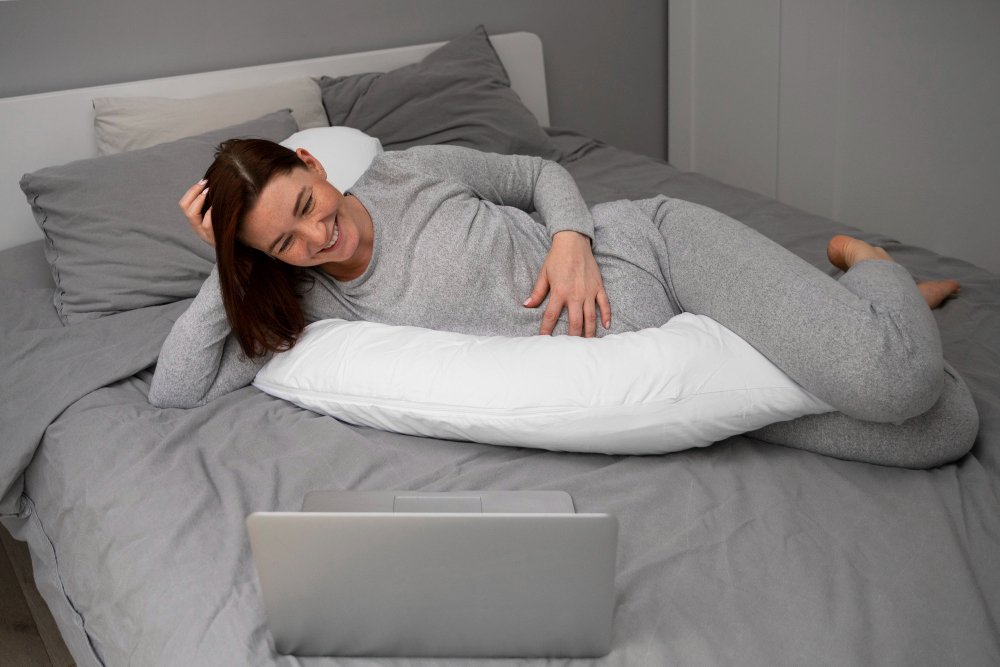
When pregnant, sleep on your left side. This enhances blood flow to the baby and lessens pressure on organs. Place a pillow between your knees and under your tummy for additional support.
Snoring/Sleep Apnea
For sleep apnea or snoring, don’t sleep on your back. Sleep on your side to maintain airways open. Use an anti-snore pillow to slightly raise your head or use a body pillow to sustain the position.
Shoulder or neck pain
For back or neck pain, sleep on your back with a pillow supporting the base of your neck. Side sleepers, place a firm pillow between the neck and shoulder. Don’t sleep on your stomach, which twists your neck abnormally.
Sleeping position and back pain
If you struggle with back pain, sleeping on your back with a pillow under your knees or on your side with a pillow between your legs can ease discomfort. In contrast, stomach sleeping can worsen the condition.
Sleeping position matters in managing acid reflux
People who experience acid reflux need to sleep on their left side. Research indicates that this helps alleviate symptoms, while sleeping on the right side can exacerbate them. Once more, Sleeping Position Matters when it concerns your digestive health.
Heart health and how you sleep
Your sleeping posture can also affect blood flow. Sleeping on your left side may improve circulation and reduce pressure on the heart, making it a preferred position for those with heart conditions.
Sleeping position matters for mental health too
Sleep quality has a direct influence on your mental well-being. Poor posture can cause broken sleep, making you feel fatigued, irritable, and anxious. As posture influences breathing and comfort, it can have an effect on mood, stress, and even depression.
How to improve your sleeping posture
Choose right pillow and mattress
Begin with selecting the proper pillow and mattress. Keep your head, neck, and spine in alignment. Then, use pillows for support, particularly between or under the knees to ease pressure.
Avoiding poor postures like sleeping on your arm or without pillow
Finally, prevent bad postures such as sleeping on your arm or without a pillow. These create strain on your neck and spine. With minor adjustments, you can wake up feeling refreshed and without pain.
Expert advice on developing healthy sleep habits
Begin by using body pillows to support your desired posture. Select a mattress that corresponds with your body type and sleeping style. Sleep training methods, such as gradual side-sleep adaptation, can aid in making new positions feel more comfortable.
When to consult a doctor or sleep specialist
If you wake up in agony, snore like a chainsaw, or feel fatigued even after getting enough sleep, your posture may be the culprit. Have a sleep specialist assess your sleep ergonomics—because Sleeping Position Matters more than you realize.
Conclusion
In short, Sleeping Position Matters for your body and mind. Improper posture can affect sleep quality, pain, and overall health. So, take a minute to analyze your sleeping habits and think about tweaking small things. As Dr. Mehta suggests, “Listen to your body. A better sleeping position today can mean a healthier tomorrow.
Also Read: Self-Care for Personal Health: 7 Daily Stress-Relief Habits