Matcha is everywhere now. You can see it in cafes, supermarkets, and even in smoothies. People love it because it’s renowned for supplying energy, enhancing focus, and offering antioxidants. But here’s something that few will share with you—too much matcha tea may lower fertility and reduce pregnancy rates. While it has some great benefits, consuming too much matcha tea can be more of a curse than a blessing, especially if you are intending to have a baby. So, what is the reality about matcha tea and its lower fertility rate? Let us make it simple for you.
What makes matcha a popular health drink
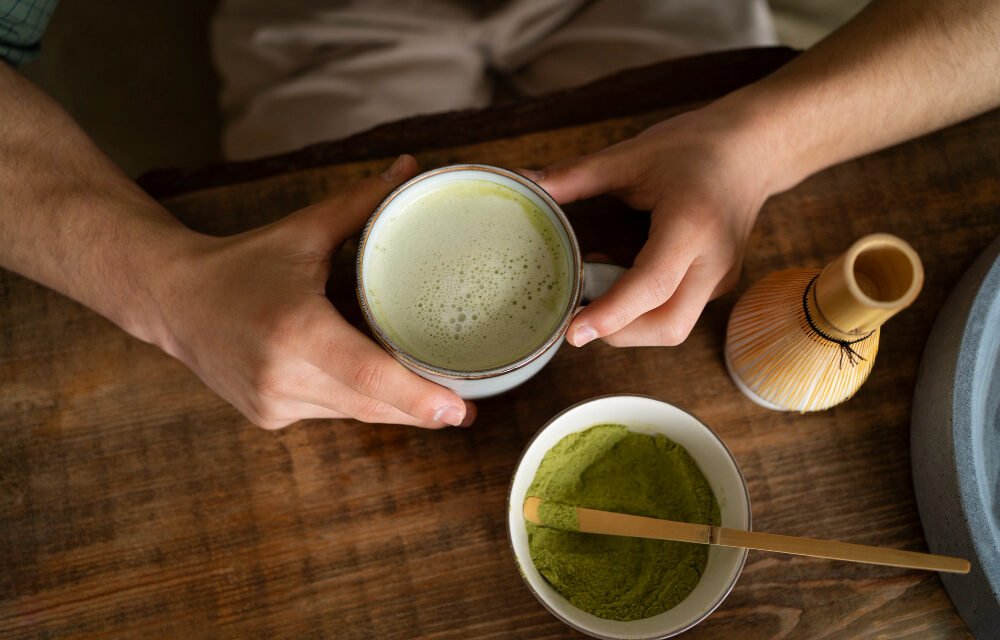
Matcha is powdered green tea that has been used in Japanese culture for centuries. With matcha, you actually consume the whole leaf, which provides additional nutrients. Matcha contains caffeine, L-theanine (a calming amino acid), and EGCG (a powerful antioxidant). The combination of all three makes matcha ideal for energy and concentration. That’s why so many use it in their lifestyle.
But while it’s natural, matcha is still a stimulant. This comes into play when we’re dealing with hormones and pregnancy.
How much matcha tea affects fertility
Okay, so here’s the deal. Matcha has caffeine—it has about 70 mg per cup. Consume a few cups per day, and it adds up quickly. Too much caffeine will interfere with your hormones. Specifically, it can raise cortisol (the stress hormone), which can affect ovulation.
Matcha also contains EGCG, which sometimes interferes with how your body absorbs iron. Iron is very important during conception. Low iron can delay or even prevent ovulation.
Also, too much caffeine can reduce blood flow to reproductive organs. And that’s not what you want when you are conceiving.
Signs you might be drinking too much matcha
It is easy to overlook the signs, but your body usually gives you a warning sign. You find yourself fidgety, having trouble sleeping, or your menstrual cycle becomes irregular. You also find yourself tired during the day, even after resting. These are all signs that your hormone levels are not balanced.
If you’re trying to conceive and notice these issues, consider cutting back. Too much matcha affects fertility and lowers pregnancy chances by slowly creating an unhealthy hormone environment.
How matcha can lower pregnancy chances
Overconsumption of matcha not only complicates conception—it may also affect early pregnancy. Overconsumption of caffeine has been shown to reduce the possibility of embryo implantation. This means that even if fertilization is successful, the egg will fail to attach well to the uterus.
Also, caffeine can affect hormones such as progesterone and estrogen. These play a significant role in preparing your body for pregnancy. Hence, hormonal imbalance can delay or prevent pregnancy for no reason at all.
How much matcha is safe for fertility health?
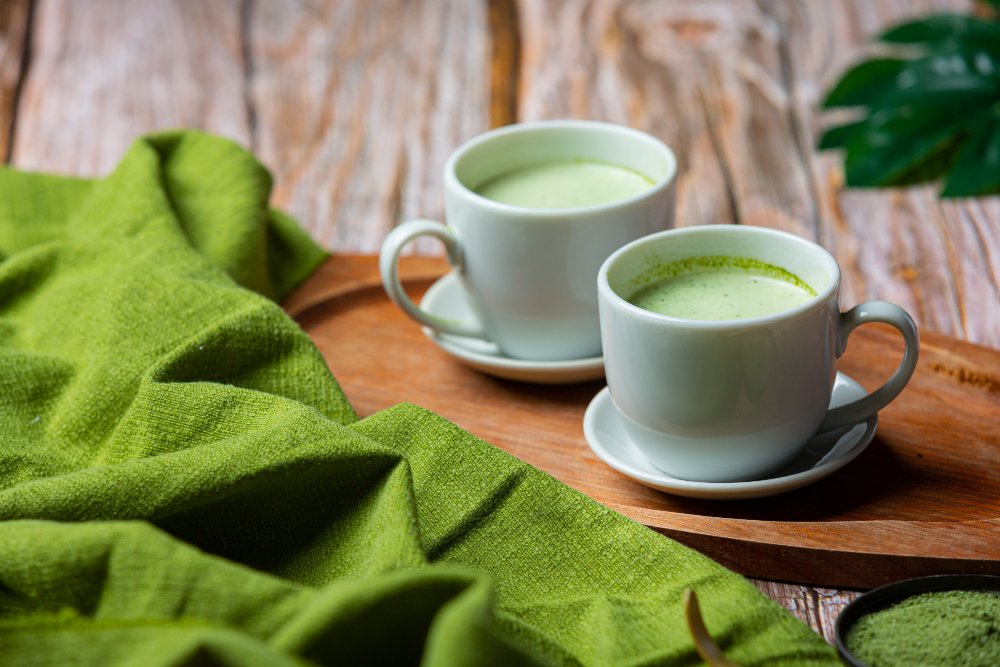
You don’t have to quit matcha totally. In fact, once a day is usually fine. Just don’t overconsume it. If you’re having 3 or 4 cups a day or mixing matcha powders with smoothies and desserts too often, you may need to give yourself a break.
And avoid matcha supplements or “energy” blends with extremely high dosages. They can deliver more EGCG and caffeine than your body needs.
Healthy alternatives to matcha when planning to have a baby
Luckily, there are enough gentle alternatives that benefit your health without harming your fertility. Herbal teas like chamomile, peppermint, or rooibos are caffeine-free and soothing. Turmeric milk, lemon water, or hot honey water in the morning are also possibilities.
These drinks support digestion, calm you, and boost energy—without messing with your hormones.
FAQs
-
Can matcha cause infertility in women?
Not really, Matcha is not going to render you infertile on its own. But too much matcha, especially if you consume it daily, can affect hormone levels and ovulation. That is why moderation is important.
-
Is matcha tea healthier for hormone balance than coffee?
Yes, Matcha delivers caffeine slowly, while coffee gives you an instant boost. But both are bad for fertility if you overconsume.
-
Should I stop consuming matcha when trying to get pregnant?
Not necessarily. No, you don’t have to drop it completely. Just drink one cup daily and avoid matcha supplements or energy beverages.
Conclusion: Enjoy Matcha Tea in Moderation
Much like any other popular beverage, matcha may come with some benefits; however, it does not come without risk – especially for those looking to conceive. Remember, excess matcha and caffeine may affect fertility and the likelihood of becoming pregnant, so, as a general rule, it is best to consume matcha in moderation. Having said this, balance remains important, and only you can know how much is enough when it comes to matcha. If you feel you need to make a change, switch to a gentle caffeine-free beverage. Small changes can result in a big impact on your fertility journey.