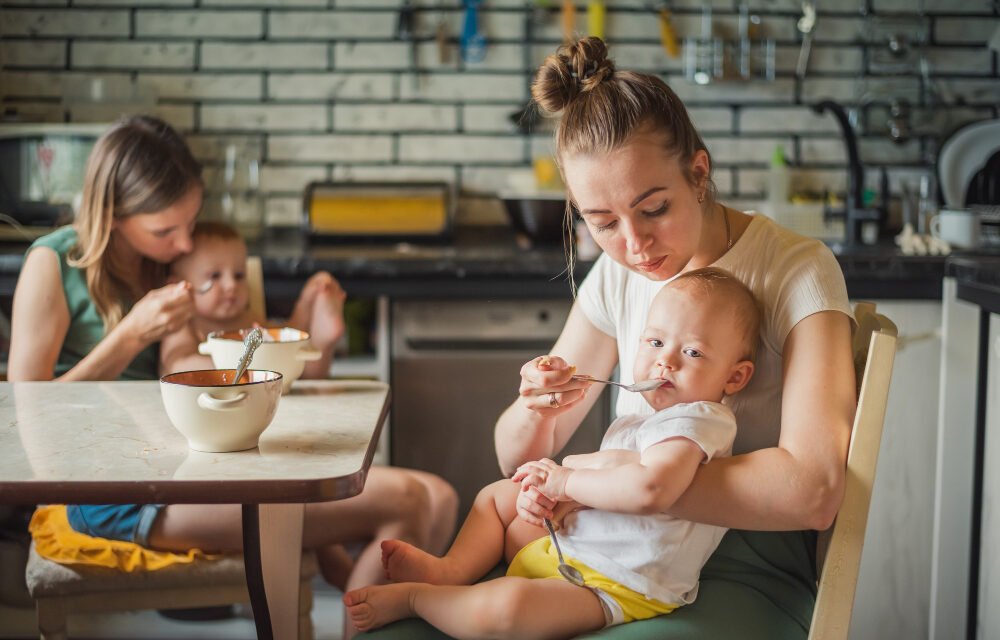
Tips for starting the solid foods
First Foods for Baby
Introducing solid foods is a milestone in your baby’s growth and development. The transition from breastfeeding to solids foods should be moderate and based on your baby’s preparedness. So for every parents here is the step-by-step guide that will help to make this transition smoothly and existing while make sure your little one gets the nutrition they need. Here is the guide for transition from breastfeeding to solids foods:-
Step 1: Recognizing Signs of Readiness (4-6 Months)
Before switch from breastfeeding to solid foods, look for these signs that your baby is ready or not: Baby can sit up with support and hold their head steady. Baby should shows interest in food (watches you eat, reaches for food). Opens mouth when food is offered. Has lost the tongue-thrust reflex.
Tip: Most babies are ready for solids around 6 months, but consult your pediatrician before starting.
Step 2: Start with Single-Ingredient Purees (6-7 Months)
Begin with simple, single-ingredient foods that are easy to digest, such as: Mashed or pureed fruits (banana, apples, pears), Cooked and pureed vegetables (carrots, sweet potatoes, peas), Iron-fortified single-grain baby cereals (mixed with breast milk), Offer 1-2 teaspoons once a day and gradually increase, Introduce one new food at a time, waiting 3-5 days before trying another to watch for allergies, Avoid salt, sugar, honey, and cow’s milk until after 1 year. Use a small, soft-tipped spoon and start with a smooth consistency.
Step 3: Gradually Introduce Variety (7-8 Months)
Once your baby gets used to purees, introduce more textures and food groups: Mashed or finely chopped soft foods (avocado, cooked carrots, lentils), Protein sources (well-cooked eggs, chicken, fish, tofu), Full-fat dairy (yogurt, cheese), Continue offering breast milk or formula alongside solid foods, Encourage self-feeding with small, soft finger foods, Let your baby explore food with their hands—it’s messy but helps develop motor skills!
Also Read: Myths that Relate to Breast Feeding
Step 4: Introduce More Textures Self-Feeding (8-10 Months)
At this stage, your baby is ready for: Soft finger foods (banana slices, scrambled eggs, pasta), Mixed textures (soft-cooked rice, small pieces of cooked veggies), More protein options (shredded chicken, beans, cottage cheese), Offer meals 2-3 times a day in addition to breast milk, Encourage self-feeding with a spoon, Supervise mealtimes to prevent choking and introduce a sippy cup for water.
Step 5: Move Towards Family Meals (10-12 Months)
As your baby approaches their first birthday, they can eat most family foods (with modifications):
- Softly cooked vegetables, whole grains, and lean proteins
- Small pieces of fruit and whole-grain bread
- Avoid choking hazards (nuts, popcorn, whole grapes)
- Breastfeeding can continue along with solid foods as per your baby’s needs
- Encourage independent eating while ensuring a balanced diet
Tip: Make mealtimes fun and stress-free by eating together as a family.
Remember: Every baby is different—go at their pace and consult your pediatrician if you have concerns.