Develop Problem Solving Skills in Kid
Activities to enhancing the critical thinking
Problem-solving is a crucial life skill that helps children think logically, help in decision making, and handle obstacles independently. Developing critical thinking in kids to encourage them to solve problems through daily activities builds confidence and flexible. Some interactive and practical ways to nurture Critical thinking in kids are following:
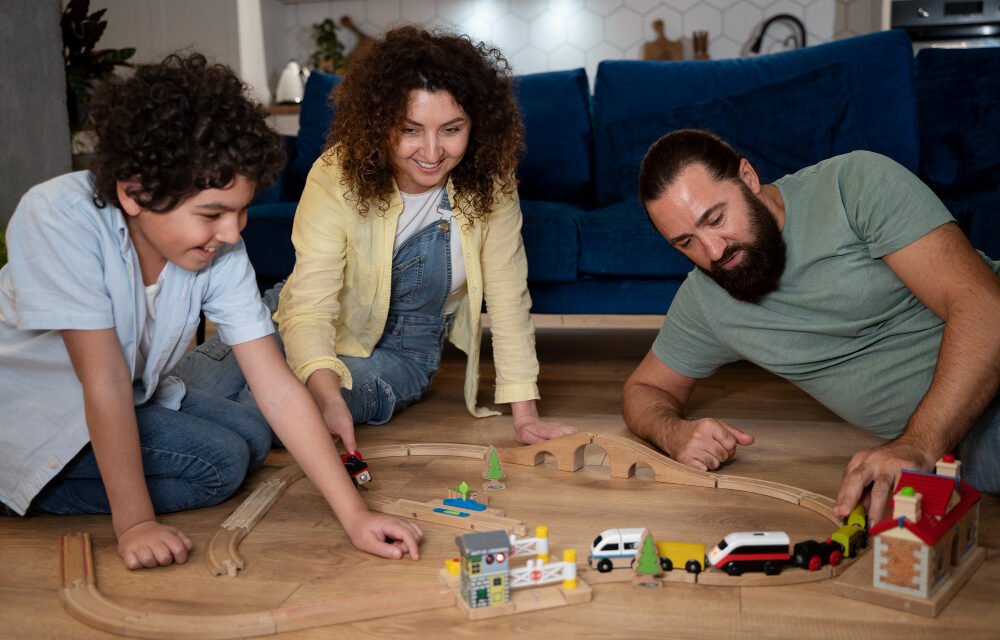
Encourage Critical Thinking through Play
Playtime is a great way to learn how to explore situations and find solutions creatively. Puzzles Brain Teasers like Jigsaw puzzles, Rubik’s cubes, Sudoku, and logic games challenge to kids problem-solving abilities.
Strategy Games such as Board games like Chess, Checkers, and Monopoly teach how to plan strategically and decision-making. Escape Rooms Treasure Hunts supports think logically to find a solution of any problem.
Solve every day challenges
Our daily life is a vessel of adventures and opportunities to exercise problem- solving in a natural way. Cooking Challenges is one of the interesting challenge where kids explore about various ingredients, their usage and figure out how to adjust a recipe if an ingredient is missing. Fixing Broken Toys encourage kids to think about how to repair or reuse them. Time Management is most important and crucial challenge for kids. It is prepare the kids for future. Ask them, “How can we get ready faster in the morning?” Let them brainstorm solutions.
Develop Decision-Making with Simple Choices
Every Parents should be letting kids make their own decisions to enhances their ability to analyse or evaluate options and take responsibility. Shopping – Give them a budget and let them choose between two similar products. Dressing Themselves – Let them decide between two outfits based on the weather. Planning a Weekend Activity – Allow them to suggest options and discuss pros cons.
Teach Conflict Resolution by Role-Playing
Kids often struggle with handling disagreements. Teach them how to resolve conflicts calmly. Pretend Play – Act out a situation where one child takes another’s toy. Ask, “How can we solve this so both are happy?” Siblings Disputes – Instead of stepping in immediately, ask them to come up with a fair solution.
b Encourage kids to suggest ways to share a toy or game.
Tip: Teach the (STA) Stop, Think, and Act method—stop reacting, think of options, and choose the best action.
Final Thoughts
Problem-solving isn’t just about finding answers—it’s about learning to think, analyze, and adapt. By integrating problem-solving activities into daily life, kids develop confidence, independence, and resilience.