Jewels of India: A Reflection of Culture and Ritual of Jewelry
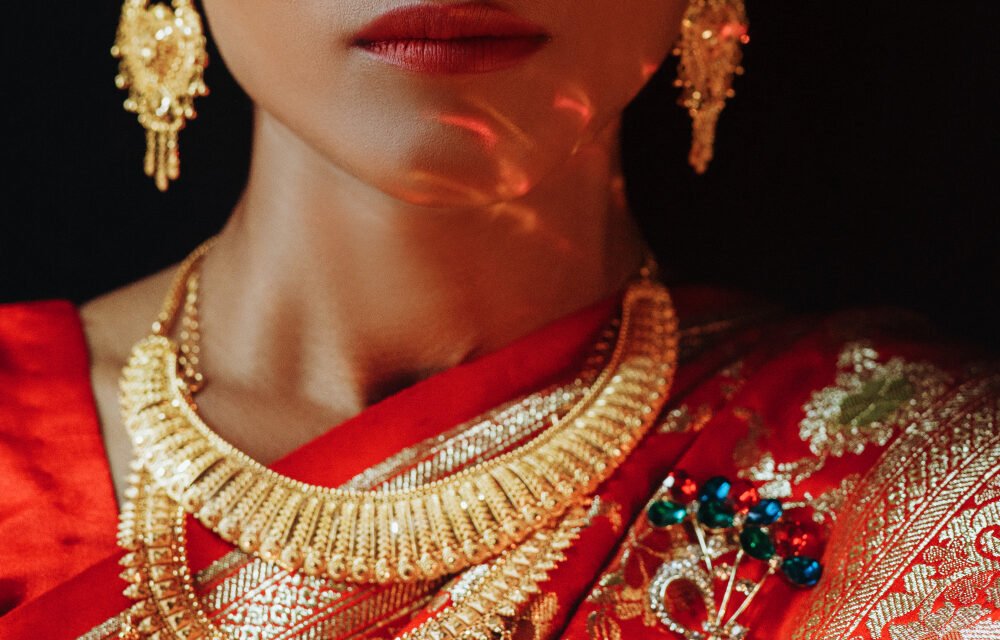
India’s brilliant cultural tapestry is seen in its jewelry. For thousands of years Indian jewelry has been more than just decoration it’s a statement of identity, religion, and heritage. It is a story which represents the region, social class, and customs of the wearer.
Historical Development and Origins
Indian jewelry’s cultural tapestry is also in all that which is worn. For thousands of years Indian jewelers have been master craftsmen which their trade uses great variety of materials and techniques.
Materials and Techniques
Gold has always been the preferred material which they work with which is also a symbol of the sun. Silver also is a more affordable option which at the same time has great value. It is used in tribal jewelry and also in very detailed filigree jewelry. Precious gems like diamonds, rubies, emeralds and sapphires also have very high value each with their own symbolic meaning. Traditional methods which we see today including Kundan in which gems are set in gold in a specific way. And Meenakari which is metal enameled, are still very much practiced in present time which is a reflection of the very old Indian craft tradition. Also, we see methods like filigree, repoussé, pearl and beading work which although different still add to the beauty and diversity of Indian jewelry.
Regional Variations and Significance
Indian jewellery may be very diverse in design but at the same time is not a homogeneous product. As it very much is a part of each region’s culture which in turn gives it a very unique identity. Temple jewelry which is inspired by the gods and temples. In the past it was very common to see God and goddess elements in the fine work of enamel in jewelry. North Indian jewelry which includes that of Rajasthan is known for its bold design and use of precious stones. In the East filigree work and the use of pearls is more the thing.
Also, the symbolization in jewelry varies. It is an element in most cultures’ wedding ceremonies, and we see certain pieces. Like the Mangal Sutra which married women wear as a symbol of their marriage. Also used in religious ceremonies and festivals it is said to bestow blessings on the wearer also to protect from evil. Also, certain pieces of jewelry are identified with a specific god, or they tell of the social standing or caste of the person.
Jewelry in Rituals and Ceremonies
Indian jewelry also plays a large role in our rituals and ceremonies. The bridal gown comes accompanied with a variety of decorations which are separate. But collectively they hold blessings and profound meaning. Further, these accessories include put on the arms, headpieces (maang tikka), nose jewelry (nath), earrings, necklaces, armlet (bajuband), bangles and anklet. Each of these accessories symbolizes the ‘life’ of the bride and the new stage she is entering. As it is a sacred custom too. God is adorned with elaborate jewelry which goes to show how they too are decorated by devoted. Worshippers and reminded through giving that they are being adored.
Many jewels are thought to offer protection, and some are even worn as a means of protection from the evil eye and former to bring good luck.
Present Trends and Future of Jewelry
There is no doubt that demand for conventional form will never fade. But new surge of Indian ornaments is in the process impulse by need of something new. There are new shapes, forms and techniques waiting to reflect the works of the designers, along with upholding the Indian cultural heritage. There is an increase in new style fusion designs that blend contemporary sensibilities with traditional ones. The evolving trend of wearing handcrafted jewelry along with eco-friendly practices indicates a healthy prospective future for Indian jewelry. Additionally, technology is booming; with international advertising through the internet and social media becoming ever so important. If the cultural backbone is well-preserved, Indian jewelry will always continue to fascinate and captivate, inflowing its inheritance for many more years to come.
Also Read: Fashion Trends for 2025: What’s In and What’s Out