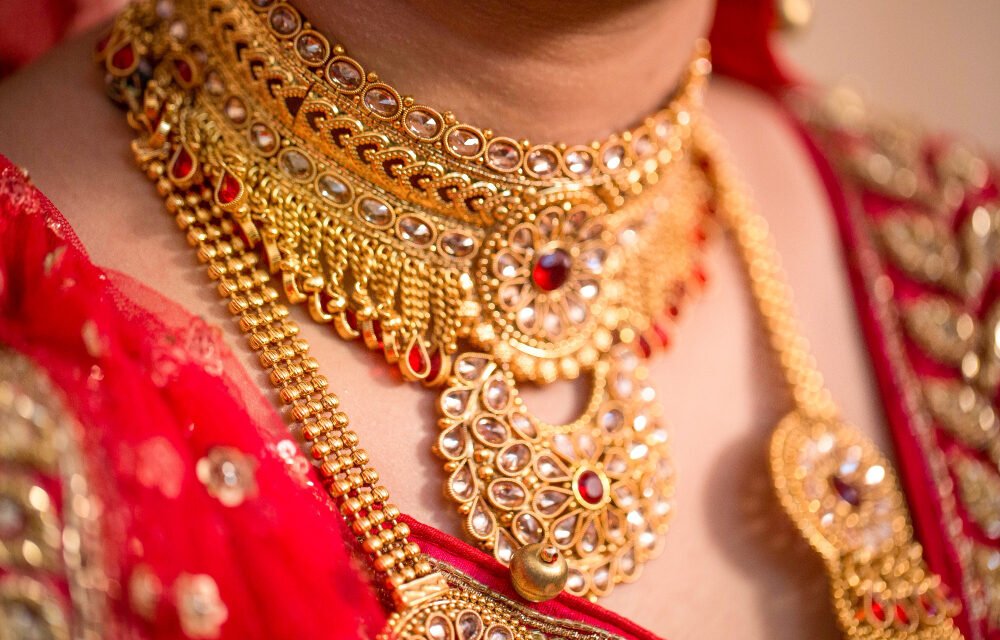
Sustainable and ethical Indian jewellery is transforming the way Indians view tradition and luxury. While jewellery has always been deeply valued in India, these treasures are more than ornaments; wedding jewellery with elaborate gold necklaces, the simple silver anklets worn in celebration during festive times in villages, etc.. However, underneath all the glamour and glitz lies an industry that suffers multiple criticisms, ranging from poor practices that contaminate the environment, labour exploitation, and unsustainable practices, to other issues. Luckily, that narrative is starting to shift.
The rise of ethical and sustainable jewellery has been a subtle yet impactful shift in India in recent years. This shift is changing the way jewellery is designed, used, and valued in India. A conscientious group of consumers, designers, and craftspeople leads the shift.
Changing Consumer Consciousness
Ten years ago, many Indian consumers rarely asked the question of where their jewels came from. It was good enough for them if it shone and held resale value. But consumers today are much more conscientious. Especially Gen Z and millennials! Concerns about whether the gold or gemstones were ethically sourced, the carbon footprint of the jewellery, and the working conditions of the artisans who have created it.
Much of this awareness is made possible through social media. We now have a more tech-savvy, inquiry-based audience watching brands. And boom – the emergence of influencers who promote sustainability and slow fashion has made the situation explode.
The demand for sustainable and ethical Indian jewellery is not just a trend- it’s a shift in mindset. Artisans, designers and consumers alike are embracing eco-friendly, fair-trade practices in jewellery-making. The movement towards sustainable and ethical Indian jewellery is rooted in consumer consciousness and tradition.
What Makes Jewellery Truly Sustainable and Ethical in India?
Sustainable jewellery aims to minimise the negative environmental impact of the production process. It includes techniques such as utilising lab-grown diamonds, recycled metals, or ethically sourced stones. Ethical jewellery ensures that every person involved, from the miner to the artisan, is guaranteed fair treatment, payment, and safety in their workplace.
More often than not, Indian brands are now committed to transparency in their sourcing. Brands have gone beyond fair trade, working in collaboration with goldsmiths in rural areas or tribal artisans to create unique one-of-a-kind pieces that also support local communities and safeguard traditional techniques.
Also Read: “Jewels of India: How Indian Jewelry Reflects Culture and Ritual”
The Role of Indian Craftspeople
India has one of the largest traditions of jewellery making in the world. The craftspeople of places like Jaipur, Hyderabad, and Kolkata are skilled and often come from generations of jewellery making. In the past, these artisans received little pay and recognition.
Now, sustainable jewellery makers are putting the artisans back into the process. Many brands are now embracing sustainable and ethical Indian jewellery practices by collaborating with traditional craftsmen and adopting transparent supply chains. They are selling jewellery, but they are also conserving an entire cultural history.
Recycled and Upcycled Treasures
The trend of recycled jewellery is a captivating side of this trend. Several designers are encouraging clients to stop buying new items altogether and to recycle their existing heirlooms. For example, an antique pendant is refurbished into a dazzling new pair of earrings, and old gold bangles are reshaped to create modern-style rings. Not only does it reduce waste, but it also gives a new life to jewellery that would likely gather dust in a locker.
Likewise, companies created new designs by upcycling leftover stones, broken jewellery and scrap metal. This closed-loop model, which reduces waste and resource use, supports the sustainability goals around the world.
Lab-created Diamonds: Revolutionary
Diamonds are forever, but we can’t ignore the ethical issues with mining practices. The diamond industry has some pretty huge red flags in the traditional industry, from human rights abuses to environmental destruction.
Lab-created diamonds are chemically identical to mined diamonds, except for their source. India has a long way to go before it fully embraces this ethical alternative, but consumers are slowly evolving. Companies like Limelight Lab Grown Diamonds are leading the way, providing stunning collections that are environmentally friendly and free of conflict.
Barriers to Overcome
Despite progress, there are challenges. India has a vast, mostly unorganised jewellery market. Traceability is most difficult in the informal sectors, where much of the work is done. Continuous effort will be required to scale up the sustainable materials, monitor ethical practice, and educate consumers.
Another barrier is cost. Ethical jewellery often comes at a premium because of its sustainable materials and ethically sourced labour practices. It’s not easy to convince a market that has been entrenched in value and return-on-investment to change course for sustainable ethical practices.
However, change is taking place. Demand for responsible luxury is predicted to increase as environmental issues and consumer recognition grow.
A Kinder, Greener Sparkle
Ethical and sustainable jewellery is a return to values, not a trend. Indian culture has always been conscious of the hand that creates, and has always respected the natural world. By remaining true to these values, the new generation of Indian jewellers is not just making ornamentation; they are starting a movement based on accountability, ethics, and purpose.
The industry is changing slowly, as more consumers are choosing intentional luxury over frivolous spending. There is also a lovely irony in this evolution: Indian jewellery has reclaimed its ethics and is looking to the future in sustainability. Buying sustainable and ethical jewellery means valuing heritage and the planet.
Conclusion
While the journey toward ethical and sustainable Indian jewellery is still maturing, it has a strong foundation that is built on awareness, tradition, and an increasing sense of responsibility. This form of good business provides a welcome alternative to customers who are looking to create a beauty around them that is aligned with their values. With each deliberately designed piece, the industry gets one step closer to a moment when luxury is defined by timeless traditions and intentional choices rather than exploitation and degradation of the environment. The sparkle of Indian jewellery is taking on meaning, and that is a legacy worth wearing.