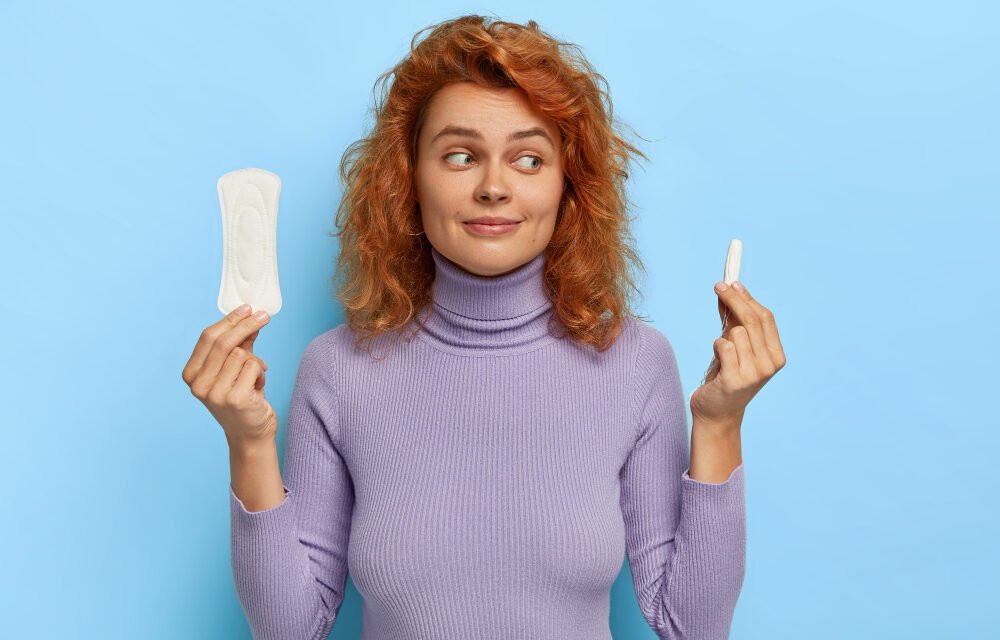
Menstrual hygiene has long been shrouded in taboos, but knowledge increases every day. Yet despite this progress, menstrual hygiene still remains unclear to many, causing people to choose fear over facts. Since half of all people menstruate, the subject of menstrual hygiene is worth discussing frankly and openly everywhere. In this manual, I dismantle fixed myths, offer evidence-based facts, and illustrate how tiny, regular habits guard health. UNESCO states that insufficient accurate information—not resources—is the largest obstacle in most areas, so knowledge really is power. The more quickly we substitute rumors for facts about menstrual hygiene, the better off everyone will be.
Also Read: From Head to Toe: The Ultimate Coconut Oil Guide for Beauty and Wellness
Myth 1: You Must Avoid Bathing During Your Period
Some families believe that washing or even getting in contact with water makes the bleeding worse. But science says otherwise. Warm baths relax cramps, relax muscles, and ease stress.
Proper washing also prevents odor and infection, so menstrual hygiene is easier. So shower daily; just replace your pad or tampon afterwards to keep everything clean.
Myth 2: Exercise Makes Cramps Worse
Most teens avoid sports because they worry cramps will get worse. However, studies show that gentle aerobics, yoga, and stretching increase blood flow and reduce discomfort. In addition, body movement alleviates bloating and boosts mood.
Adding activity to your schedule goes a long way in menstrual hygiene by reducing infection risk associated with long periods of pad wear. If competition is daunting, try calm movements such as tai chi or swimming; both exercises are period-friendly throughout the year.
Myth 3: Tampons Cause Loss of Virginity
A number of cultures identify an intact hymen with virginity and say tampons “rupture” it. The truth is, the hymen is a pliable membrane that can stretch during cycling, dancing, or even walking. A tampon—particularly a thin, introductory size—does not impact virginity, which is social, not medical. Selecting the product most suitable for your lifestyle enhances menstrual hygiene and self-determination.
Myth 4: Period Blood Is Dirty
Others call menstrual blood dirty. Period blood is made up of the same things as regular blood, with some uterine lining and mucus—not toxins. Referring to it as dirty shames bodies and limits honest conversation.
Washing reusable cups or disposing of pads in a trash can keeps spaces clean and maintains menstrual hygiene without embarrassment.
Myth 5: All Disposable Products Are Unsafe
Scary posts online claim that pads or tampons release toxic chemicals. Actually, trusted brands adhere to rigorous safety protocols. If you are still worried, choose organic cotton products or reusable cups. Crucially, replace absorbents every four to six hours; timely replacements are the foundation of menstrual hygiene.
Reusable silicone cups, when sterilized between cycles, may last years, saving you money and minimizing waste. Furthermore, governments in various nations subsidize sanitary items, demonstrating scientific agreement on their safety if used according to instructions.
Moving Forward: Creating Healthy Habits
In addition to myth-busting, create practices that make menstruation comfortable and predictable. Use an app to track cycles, take an emergency kit with you, and wash hands before and after product changes. Place reusable pads or cups in air-permeable pouches and wash them with mild soap.
By sleeping well, drinking water, and consuming iron‑rich foods, you support menstrual hygiene and overall health. Try keeping a little notebook to write down mood fluctuations and cravings; that kind of information assists physicians in customizing recommendations and noticing trends that apps may overlook.
Conclusion: Let Facts Flow Freely
Myth-busting gives you the power to respect your body. When you distinguish superstition from science, menstrual hygiene becomes a simple routine, not a monthly ordeal. Spread these facts around among friends and family; the ripple effect will tear down stigma conversation by conversation. Armed with evidence, you can navigate each cycle confidently, comfortably, and proudly.
Also Read: Best Tips for Healthy and Stronger Nails