Reliable blood pressure: 10 tips for guaranteed readings
A precise reading of accurate blood pressure is crucial in ascertaining your heart health. Inaccurate readings can lead to misdiagnosis, excessive medication, or not responding to danger signs. Fortunately, it’s easy to take steps to ensure each reading is accurate and consistent. This blog explains ten useful tips through which you can track your blood pressure with accuracy and reliability.
Also Read: Fibroids & Diet: Best Foods and What to Skip for Hormones
Why taking accurate blood pressure readings matters
Before the tips, let’s understand why taking an accurate blood pressure reading is essential. Blood pressure can have no symptoms whatsoever, but it can silently damage your heart, brain, and kidneys. Therefore, relying on correct readings is the secret to early detection and control. Let’s now learn how to take those precise numbers every time.
Sit quietly for at least five minutes before accurate blood pressure measurement
Begin by always sitting silently for a minimum of five minutes before taking your blood pressure. Do not consume caffeine, smoke, or exercise for at least 30 minutes prior. All of these make your numbers spike and nullify your true blood pressure readings.
Have the right equipment before accurate blood pressure measurements
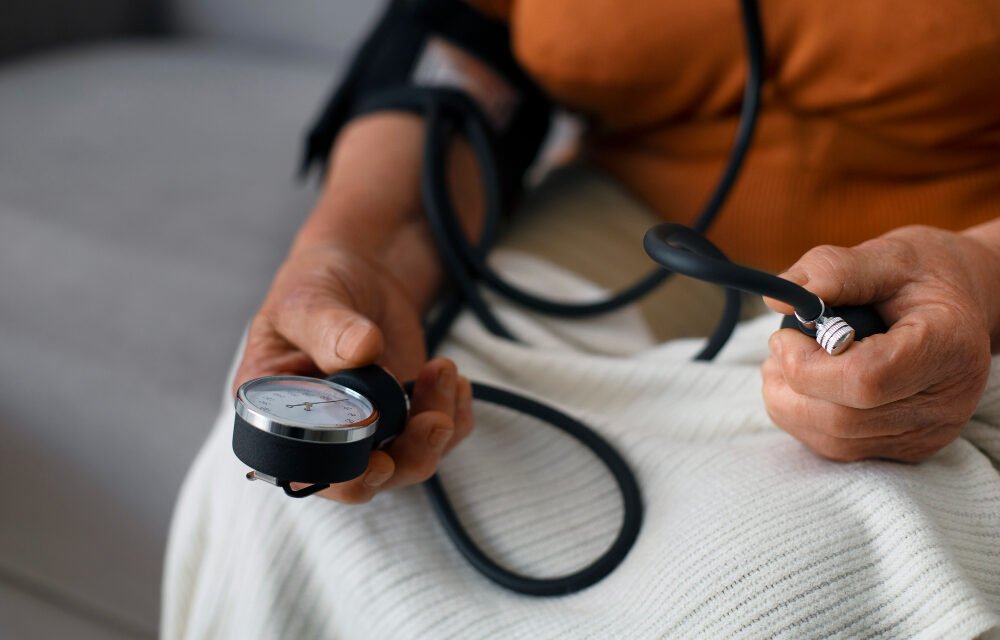
No less critical, always keep a calibrated and tested blood pressure device on hand. Digital or manual, the unit must be placed comfortably on your arm—too big or too small cuff will result in inaccurate readings.
Sit in the right position
Sit up straight with your back in a resting position and your feet flat on the floor to achieve an accurate reading of your blood pressure. Have your arm resting at heart level. Crossing your legs or hanging your feet will artificially raise your pressure.
Do not talk during the taking of the reading
Speaking or walking while doing the process can influence your result. So remain calm and quiet to be accurate. Any small distraction can change your correct blood pressure reading.
Record multiple readings
It is always better to measure twice or thrice at once, with one minute interval between two or three. Then mark the average. This balances the abnormalities and indicates your actual state more often.
Read every day at the same time
Consistency is everything. Attempt to read your blood pressure every day at the same time—ideally in the morning before medication. This serves to create a more accurate picture of your true blood pressure rhythm.
Monitor your readings
Additionally, keep a record of your blood pressure levels at all times. There are numerous apps and diaries that make it easy to plot your progress. The record is greatly helpful for doctor visits.
Don’t worry about one reading in isolation
One high or low reading isn’t always significant. Therefore, consider trends over a few days instead of acting on a lone number.
Don’t overdo sleeves
To get the most accurate measurement, wear the cuff on your uncovered arm. A reading taken through sleeves, even a thin one, will disrupt an accurate blood pressure reading.
Get your doctor to check periodically
Lastly, always bring your readings before a health professional. They will advise you on how to read them and determine whether anything should be done with them.
Final thoughts on accurate blood pressure monitoring
Simply put, the taking of an accurate blood pressure is a question of technique, consistency, and detail. That is all. By following these ten simple steps, you can take charge of your health and get ahead of risk. Accuracy today saves lives tomorrow.
Also Read: Say Goodbye to Blotting with These Effective Home Remedies