From salt to sugar: the hidden dangers of common white foods
Many people associate white foods with purity and safety, but refined white foods can be far from harmless. Relatively speaking, foods such as white rice, sugar, salt, bread, and even milk are staples in our kitchens. However, the truth about these white foods is concerning—especially when consumed regularly and in excess. These so-called “white” foods, particularly when consumed excessively, can be hazardous to our health. The replacement of salt with sugar in day-to-day diets has ignited a quiet pandemic of lifestyle disorders—heart ailments, obesity, and type 2 diabetes. In this blog, you’ll learn how and why white foods are toxic and how to substitute them with better options.
Also Read: Unhealthy Indian Snacks: Jalebi, Samosa Harm Heart Health
Why white foods become less nutritious
White foods are mostly processed or refined foods, i.e., they’ve lost their natural nutrients. These include:
- White rice: low in fiber, magnesium, and vitamin B.
- White bread and refined flour: missing whole grains and dietary fiber.
- White pasta: full of empty calories with minimal nutritional value.
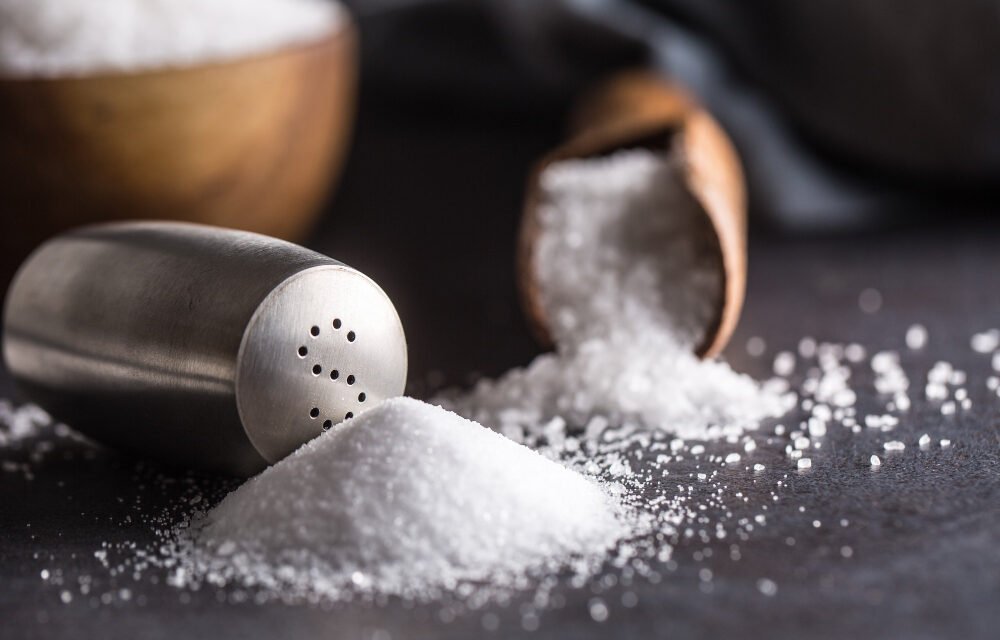
- Salt: too often overused and concealed in numerous packaged foods.
- Sugar: added to everything from cereals to sauces, elevating blood sugar.
Once in your system, these foods trigger rapid effects—spiking blood glucose, blood pressure, and cholesterol. Gradually, these consequences destroy your heart, kidneys, and liver.
Salt to sugar: understanding the toxic pairing
Both sugar and salt are needed in small amounts, but these diets today deliver them in abundance. Salt, when it is used excessively, hardens blood vessels and makes people more likely to develop hypertension. It also causes retention of water and bloating. On the other hand, sugar—particularly processed sugar like high-fructose corn syrup—induces insulin resistance, belly fat, and craving.
From salt to sugar, all white foods are metabolic disruptors. For instance, most processed and packaged foods have both of them: instant noodles, chips, canned soups, bakery products, and even flavored yogurts. Regularly consuming these puts the body into a state of chronic inflammation, a cause of most diseases.
Salt to sugar: white carbs impersonate sugar in your body
Here’s the catch: even white foods that aren’t technically sugar act like it. Refined carbohydrates like white bread, white rice, or cornflakes quickly turn into glucose in the bloodstream. Consequently, they trigger a sugar rush and a subsequent crash, leaving you hungry all over again—usually causing you to overeat.
Replacing salt with sugar, you subject your body to a never-ending rollercoaster of insulin highs and lows. Not only does this cause fatigue and mood swings but also puts you at risk of developing insulin resistance and prediabetes.

The long-term effect of eating white foods
Long-term consumption of poisonous white foods results in:
- Obesity: due to calorie overload and poor satiety
- Heart disease: as a result of high blood pressure, cholesterol, and inflammation
- Type 2 diabetes: because of elevated insulin resistance
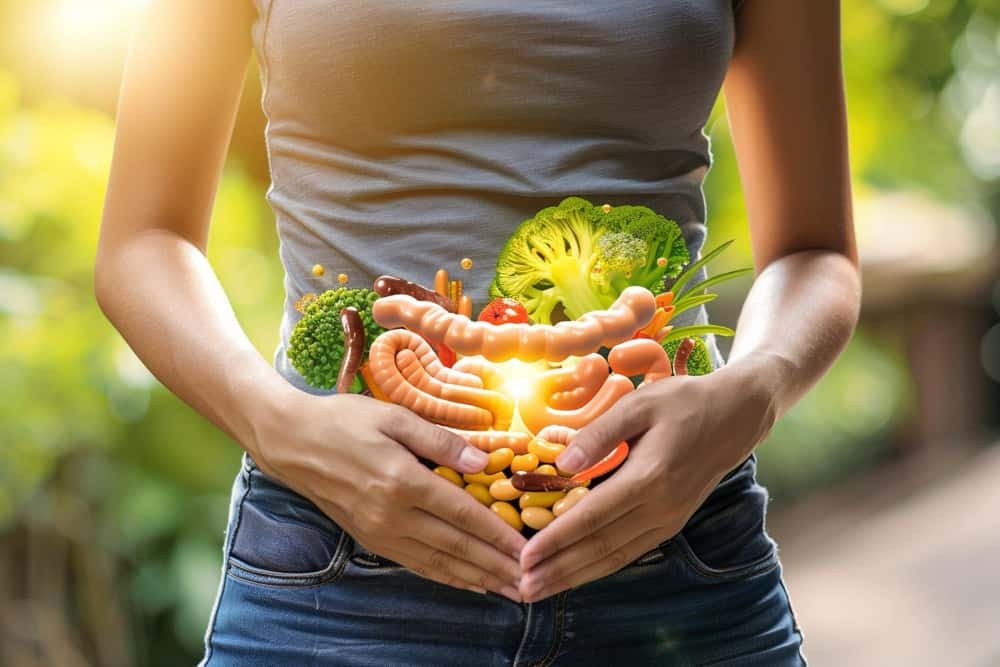
- Poor gut health: since white foods are fiber-free, they throw your digestive equilibrium off
- Premature aging: courtesy of oxidative stress and faulty cellular repair
Even white milk, while commonly thought of as a healthy food, can have added hormones or too much sugar in flavored milks. Moderation and choice are the words.
Alternatives to white foods
You don’t have to give up flavor to detox your diet. Substitute these alternatives:
- White rice → brown rice, red rice, quinoa, or millets
- White bread/flour → whole wheat, multigrain, almond, or chickpea flour
- White pasta → whole-grain or lentil-based pasta
- Sugar → natural sweeteners such as honey (moderately), dates, or jaggery
- Salt → pink Himalayan salt or rock salt (in small amounts)
Don’t forget to stay hydrated, exercise, and eat whole foods with fiber and nutrients. Gradually swapping out unhealthy foods will reset your taste and promote long-term health.
Final thoughts: rethink your white plate
In conclusion, white foods can appear innocent enough, but numerous are not so innocent. Salt to Sugar is an eye-opening read that shows how processed foods can creep into your dishes and quietly impact your well-being. Do not be afraid of food; get smart. Know the labels. Prepare from scratch. Substitute toxic foods with nutrient-dense foods. All of these little changes can revolutionize your energy level, your weight, your mood, and your health.
Also Read: Fast Weight Loss: This Superfood Controls Hunger