Understanding Gardening with Kids
Gardening with kids? That’s more than a hobby. It’s an entry point into real-world lessons—about nature, patience, and responsibility. These aren’t abstract concepts; they’re rooted in dirt and sunlight. Kids don’t just see food magically appear on shelves. They watch seeds become carrots right under their noses.
Start Small
A raised bed works. A few pots lined up on the porch are enough. Even a corner of the backyard can become a micro-ecosystem. The key is to avoid going too big. Less overwhelm. More focus. Pick a spot with sun and healthy soil. If the ground won’t cooperate, buckets or beds filled with good potting mix work just fine.
Choose Kid-Friendly Plants
Encourage kids to grow what excites them. Quick wins matter—fast-growing plants keep their attention engaged. Visible progress helps. Try these:
Herbs: Basil, mint, and chives.
Flowers: Sunflowers, marigolds, and zinnias.
Invite children to participate. Seek their input on what to plant. Ownership starts with making choices.
Plan and Prepare for Gardening with Kids
Flip through seed catalogs. Scroll online. Share the decision-making. Make a garden map. Let them use pencils and paper—draw where each plant will go. This helps them see the garden before it grows. Prep the ground side by side. Pull weeds. Toss rocks. Break up the soil. You’re not just supervising—you’re collaborating.
Plant Together
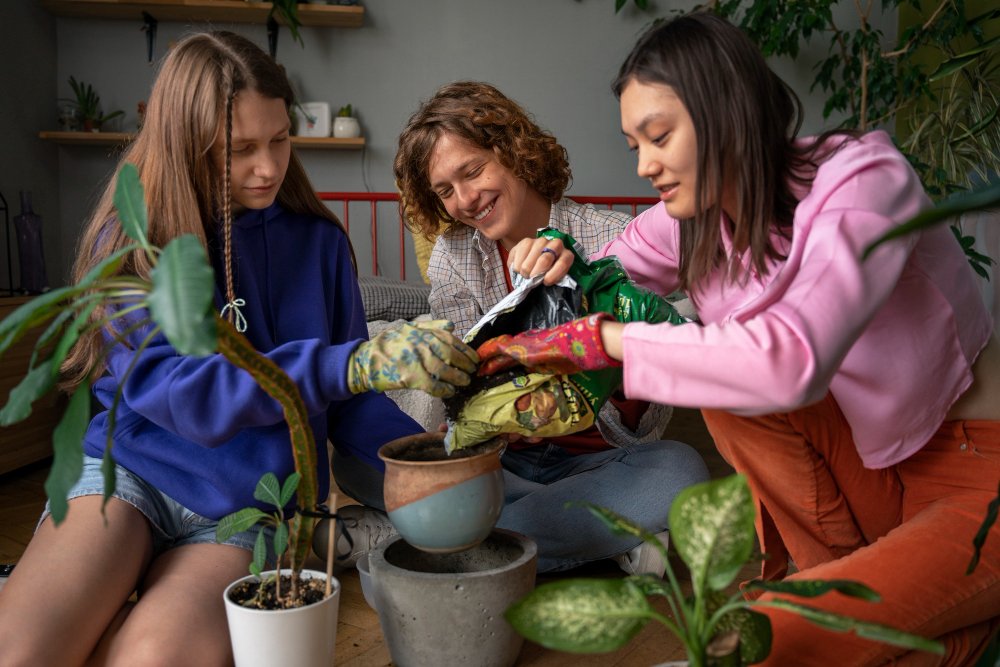
Show them how planting works. Demonstrate proper depth. Space the seeds and seedlings out. Give them tools sized for their hands. Trowels, Small shovels, watering cans. The process should be tactile. Let them dig and plant. Mess is allowed. Mess is good.
Water and Care for Gardening with Kids
Explain to them how to care for the garden. Watering. Weeding. Watching for pests. Set up a simple schedule so everyone takes turns. Show them what weeds look like—they’ll learn to spot and pull them, gently. Talk about why sunlight matters. Notice bugs and talk about which insects help or hurt.
Observe and Learn
Maintain curiosity. Ask them to check on the plants regularly. Start a journal—drawings, notes, new things they notice. This step turns routine into reflection. Plants have a proper life cycle, just like humans and any other species. Seeds, shoots, leaves, flowers, fruit. It’s a story that repeats, season after season. Bees, butterflies, and even birds work as pollinators, and with their help, many plants can make fruit or seeds. Soil also matters. Healthy soil is alive, packed with worms and microbes. It’s the foundation for everything that grows and develops. Gardening gives you a chance to show kids how science and nature intersect. Dirt under your nails becomes a lesson about ecosystems.
Make It Fun
Keep things lively. Put on your favorite playlist. Move to the beat while pulling weeds. Share stories—tell how sunflowers always turn toward the sun, or why some bugs help the garden. Mix in a garden scavenger hunt. Make plant markers with bright colors. Give the kids responsibility and build things together. Scarecrows, birdhouses—simple projects make memories.
Harvest and Enjoy
Harvest time is a learning process. Many tasks show them the true color of nature, such as how to pick tomatoes without bruising them, and let them taste a carrot fresh from the earth. Celebrate every basket of vegetables. Cook together. Try a new recipe with what you’ve grown. Use the flowers for arrangements—bring beauty indoors, let kids experiment with design.
Teach Responsibility for Gardening with Kids
In the garden, kids pick up more than vegetables. They see what happens with regular care. Watering, checking for pests, and watching for tiny changes. Plants take time. Patience becomes part of the process. There are failures, too. A lesson in resilience and sustainability. It all connects back to the environment—the health of living things and how they depend on each other.
Gardening with kids is more than growing plants—it nurtures curiosity, brings people together, and creates lasting memories. Each day outside plants seeds of knowledge, discovery, and wonder, turning simple acts into shared stories rooted in the soil. Gardening with kids encourages meaningful growth for everyone involved.
FAQs
1: Why is gardening good for children?
Gardening teaches kids core lessons: patience, responsibility, and problem-solving. It also enhances physical activity and sensory development while developing emotional well-being.
2: At what age can kids start gardening?
Children can begin at 2–3 years old by watering plants and planting seeds. build responsibility as they grow. Choosing suitable plants is an important next step.
3: What are the best plants to grow with kids?
Easy-to-grow plants like tomatoes, sunflowers, mint, spinach, radishes, and marigolds are ideal for kids. These plants allow children to learn about plant life cycles, observe quick growth, and experience responsibility, all while enjoying the satisfaction of visible results that support their developmental growth.
4: How does gardening help in child development?
Gardening nurtures life skills—teamwork, patience, curiosity, and environmental care—that are essential to child development.
5: How can parents make gardening fun and safe for kids?
Parents can engage children with colorful tools and games, plus teach safe habits and supervise with kid-friendly tools.