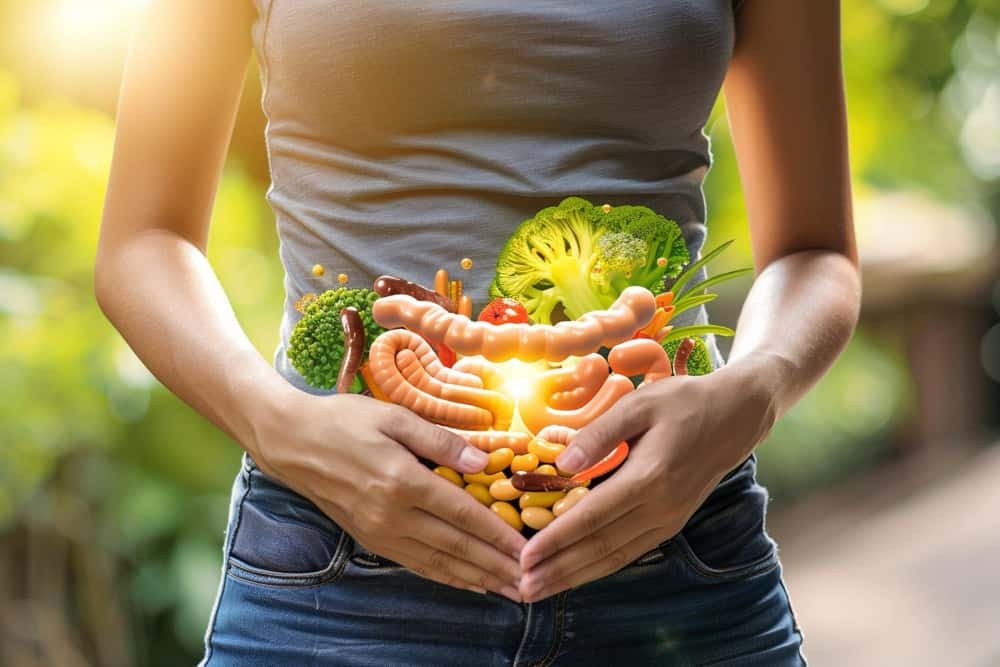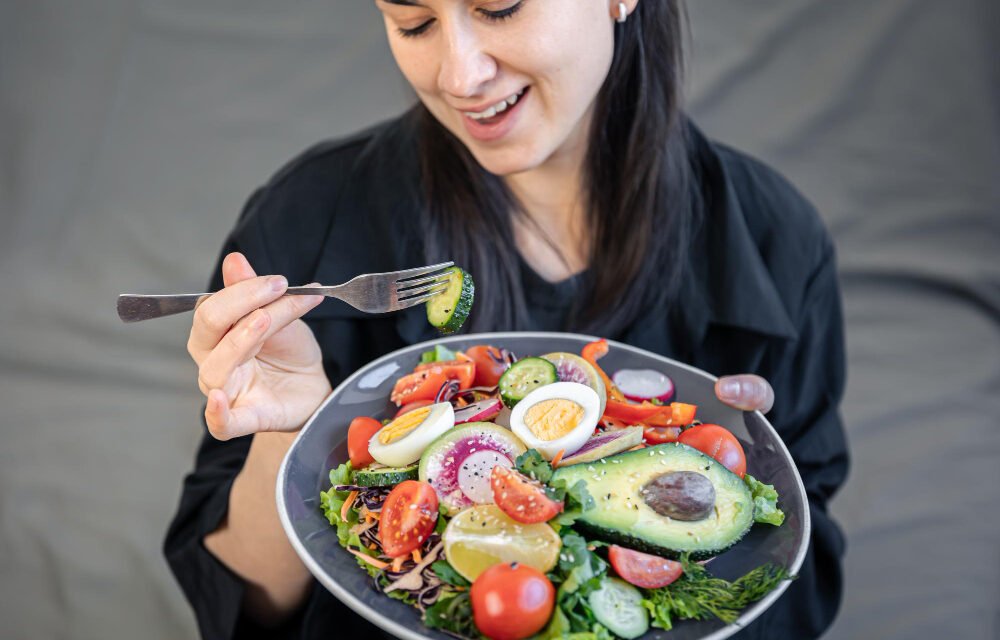
The raw food diet, which focuses on eating uncooked and unprocessed foods, has gained a lot of attention. Supporters talk about the positive aspects of the diet, while others are concerned about practicality versus nutritional benefits. This review covers the key aspects of the raw food diet and its supposed benefits and disadvantages. Along with the factors to consider for those who want to adapt this lifestyle.
Also Read: Vegan Diet: Plant Powered Lifestyle
What is the Raw Food Diet
The raw food diet believes in eating food in its most natural, uncooked, and unprocessed forms. This consists of the consumption of uncooked vegetables, fruits, nuts, sprouts, and grains. There are also enthusiasts of this raw diet who consume animal products like raw fish and unpasteurized dairy products as well as raw eggs. This philosophy maintains that cooking food destroys valuable enzymes and nutrients, hence undermining the food’s health-giving properties.
Health Benefits of a Raw Food Diet
Supporters of raw food diets have come up with a number of benefits that come with eating raw food. The benefits of eating raw foods include:
- Cooking can reduce water-soluble vitamins like vitamin C and some B vitamins, while raw foods often retain more of these nutrients. While most complexes of vitamins, along with minerals, and antioxidants, densely populate most raw foods. They are obliterated in the cooking process.
- Advocates of raw food suggest that some raw foods contain specific enzymes. And these enzymes assist in the digestion of the food and lighten the burden on the digestive system.
- Raw food diets are generally low in calories and high in fiber, which can promote fullness and help with weight management, and thus, are very satiating which are great in controlling effective weight.
- Absence of processed food and energetic quality of the diet explains the attributed feeling of increased vitality.
- Research demonstrates that fruit and vegetable consumption in moderation aids in reducing the risk of developing chronic diseases. Like cardiovascular disease, diabetes, and some types of cancer and be part of balanced diet.
Potential Drawbacks and Considerations

Healthy raw meals can support a natural lifestyle
Like any other nutrition regimen, it comes with drawbacks such as the following.
- Lacking Essential Nutrients: Raw food diets may lack essential nutrients such as vitamin B12, calcium, iron, vitamin D, omega-3 fatty acids, and even iron. Particularly vitamin B12, is easiest to find in animal-based products which makes the average raw vegan diet lacking for sufficient quantities of this vitamin.
- Digestive Issues: Some people enjoy improved digestion, while others experience digestive difficulties. Like bloating, gas, and diarrhea, particularly when adopting a high fiber diet.
- Hygiene: Eating raw animal products can be a widespread carrier of foodborne pathogens like Salmonella and E. coli. Washing and preparing these foods can help minimize these food hygiene risks.
- Gaps in Observational and Practical Evidence: A major concern of this diet is the limited choices when eating in a group. Or the problems caused when attending a party or a sit-down meal, where this diet is unlikely to be understood. The time needed to prepare each item is a huge restriction.
- Financial Consequences: Veronica and of course, the financial aspect is huge. The financial implication for sourcing high grade unprocessed organic foods is significant which makes the diet simply unachievable for a portion of people.
Also Read: Healthy Living: Quit Sugar & Salt for a Month – What Happens?
Organizing a Raw Vegan Diet: Key Considerations
If you’re considering a raw vegan diet, here are some key tips to keep in mind:
- Eat for optimum health: The suggestions are to create your diet from a variety of unprocessed fruits, vegetables, nuts, and raw seeds to obtain the needed nutrients.
- Consider taking supplements: It may be beneficial to take vitamin b12, vitamin D and possibly other supplements to prevent deficiencies.
- Practice food safety: Any food that is to be consumed should be cleaned and processed as thoroughly as possible to lower the chances of contracting foodborne illness.
- See a dietician: It is important to find a diet that meets your specific life circumstances which is why a dietitian or a health professional can analyze your situation in detail.
- Eased or gradual transition: Cutting to a raw food diet can be done in stages to ease the body into the new way of eating and minimize possible digestive discomfort.
- Self-monitoring: It is important to analyze what impact, if any, the new diet is having on your body so that any needed adjustments may be made.
Conclusion
The disadvantages of a raw food diet can be just as compatible as the advantages. It can lead to higher intake of some nutrients, but it can also lead to an unhealthy weight range. There is the need for cautious planning to avoid foodborne illness and a deficiency in nutrients. Proper food safety is critical, as is working with a trained health professional. This diet should only be done with an informed understanding of the impact is has on the individual – the possible gains and the potential losses.
Also Read: The 30-30-30 Method: Viral Weight Loss Hack