Gallstones Postpartum Period: Hormonal Triggers and Dietary Factors
Introduction
Gallstones, which are solid deposits of gastric juice in the gallbladder, can become problematic during the
postpartum period. Even though it often remains silent during pregnancy, hormonal shifts and dietary changes after
childbirth may trigger symptoms or complications in new mothers. To understand the causes and risk elements of
gallstones postpartum period can help with early identification and prevention.
Biological Changes
Harmonal fluctuation become high during pregnancy time. Estrogen and progestron levels become high that affect
the gallbladder in multiple ways. These harmones like estrogen uplift cholesterol levels in bile, while progesterone
slows down the emptying of the gallbladder. Simultaneously, these changes amplify the risk of gallstone formation
during pregnancy. Moreover, symptoms often appear after childbirth, when hormonal levels start to normalize and
the body undergoes physical and metabolic readjustment.
In the postpartum period, sudden hormonal changes can cause previously asymptomatic gallstones to become
problematic, leading to symptoms such as:
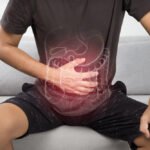
• Sharp abdominal pain (especially in the upper right abdomen)
• Nausea or vomiting
• Indigestion and bloating
• Pain after eating fatty meals
After Delivery Diet Factors
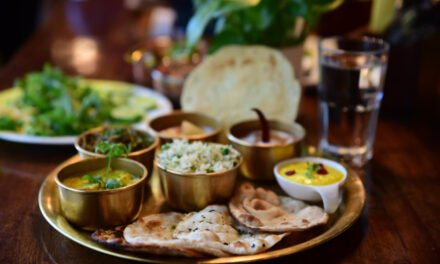
After delivery new moms faced pain, stress and time constraint issues. They adopt irregular and high fat eating.
Irregular diet plays a significant role in gallstone development and symptom flare-ups. Diets rich in saturated fats,
fried foods, and refined carbohydrates can increase the likelihood of cholesterol-based stones.
Quick weight loss is common after childbirth and it also raises the risk. It leads to the liver secreting more cholesterol
into bile. So skipping meals or fasting can reduce gallbladder contractions, allowing bile to stagnate and stones to
form or worsen.
Prevention and Management
To reduce the risk of gallstone complications after delivery:
• Eat small, balanced meals regularly
• Choose high-fiber, low-fat foods
• Stay hydrated, especially while breastfeeding
• Avoid rapid weight loss through crash dieting
If gallstones cause persistent pain or digestive issues then medical evaluation is essential. Ultrasound is the most
common diagnostic tool. In severe cases, surgical removal of the gallbladder (cholecystectomy) may be
recommended.
Conclusion
Gallstones in the postpartum period can be a hidden complication triggered by hormonal shifts and poor dietary
habits. By maintaining a healthy diet and staying aware of warning signs, new mothers can protect their gallbladder
health and ensure a smoother recovery after childbirth.
Also Read: Preventing Jaundice from the Womb: Glowing Beginnings