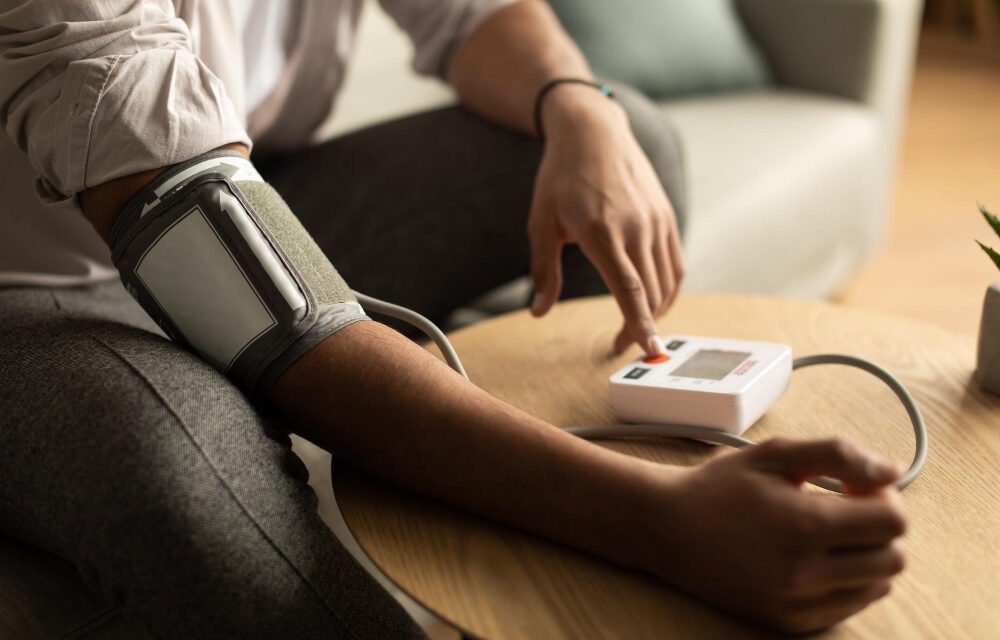
High blood pressure, or hypertension, is commonly referred to as the “silent killer.” Most individuals do not notice any change in their blood pressure as it rises, but it can sneakily harm the heart, brain, and kidneys. That is why it’s so dangerous. But there are a few high blood pressure symptoms that appear as warning signs before trouble. If you recognize what they are, you can take action before it becomes serious.
In this blog, we will discuss what high blood pressure is, five early signs you shouldn’t overlook, and how to avoid future health consequences.
What is high blood pressure, and why is it dangerous?
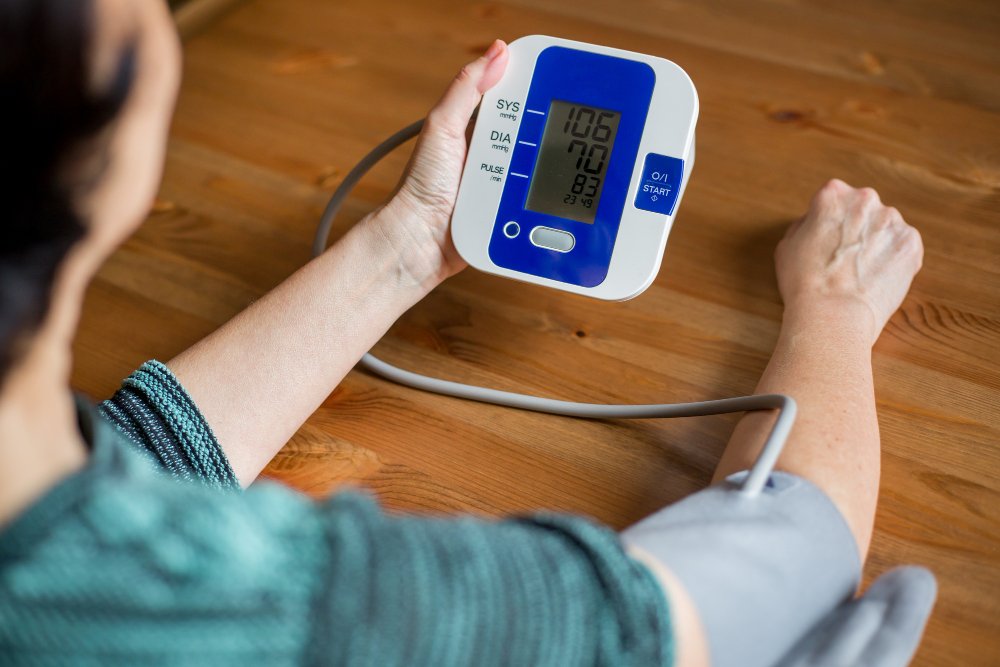
Blood pressure is the force of the blood against your artery walls. A healthy reading is approximately 120/80 mmHg. When it consistently goes above that, you could have hypertension.
The doctors refer to it as a “silent killer” because the majority of individuals feel okay even when the numbers are high. In the long run, however, high blood pressure not treated boosts the chances of heart attack, stroke, kidney issues, and vision loss. That is why catching early signs can save your health.
Five early warning signs of high blood pressure that you shouldn’t overlook
Although hypertension is usually symptomless, some individuals do experience warning signs. Let’s examine the five most typical ones.
- Frequent headaches
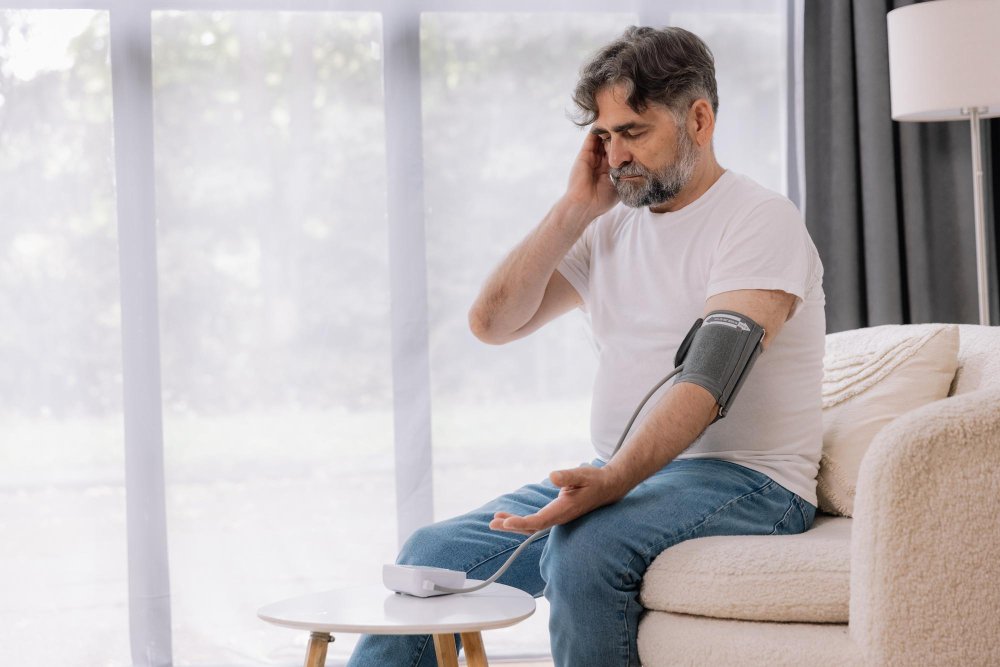
A constant headache is very common among patients with high blood pressure. If you wake up frequently with a thumping headache, your blood pressure may be to blame. While not every headache indicates hypertension, sudden or severe headaches—particularly in the morning—may indicate high blood pressure.
Hypertension increases the pressure in blood vessels. When these vessels become shrunken, the head feels heavy, dull, and throbbing. Tension, not good quality sleep, excessive salt intake, dehydration, and anxiety shape this problem worse. Simple habits we can adopt in our daily lives can reduce this problem, such as walking, reducing salt intake, regular monitoring, staying hydrated, and practicing relaxation techniques like meditation.
- Dizziness or lightheadedness
Dizziness or lightheadedness might seem harmless at first, but it can occur when high blood pressure reduces blood flow to the brain.
In this case, the brain is not able to receive a supply of oxygen-rich blood, so the person feels dizzy. Dehydration, Stress, Anxiety, and a hike in blood pressure may be the reason for dizziness. Another reason may be orthostatic hypotension, which occurs when standing too quickly from a sitting or lying position. Managing Blood Pressure to reduce dizziness is most important. Staying well hydrated, avoiding sudden posture changes, and managing stress. Dizziness from high blood pressure is a warning signal, and timely observation can stop serious complications.
If this occurs frequently, it’s a good idea to check your numbers.
- Blurred vision or eye strain
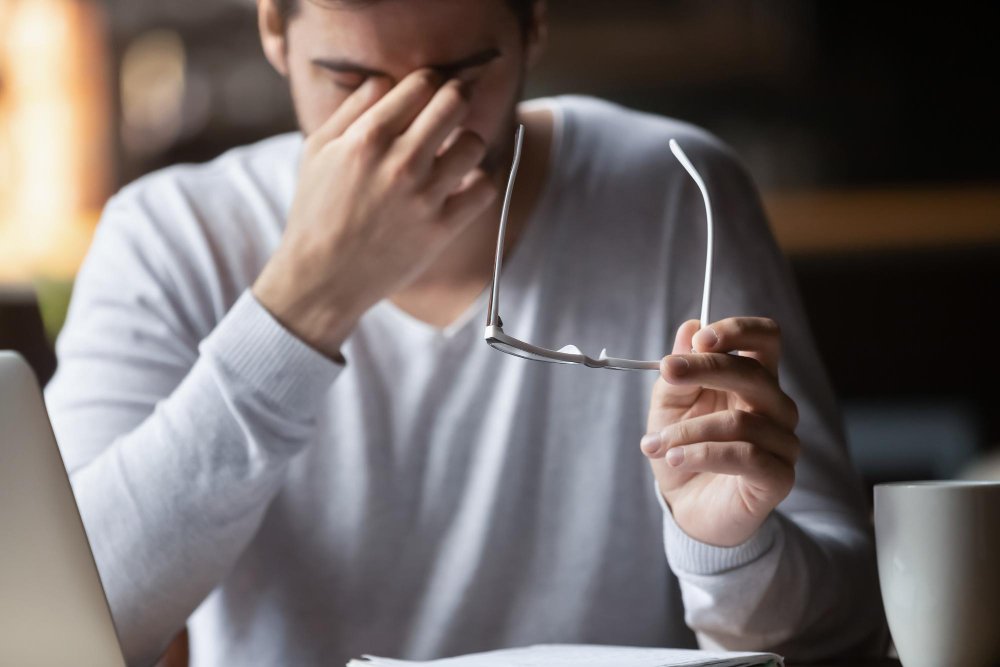
Your eyes contain small blood vessels that can be damaged when pressure remains elevated. This harm can lead to blurred vision, eye strain, or even floaters. When blood pressure is constantly high, it directly affects eyesight. High blood pressure damages the delicate blood vessels in the eyes, mainly those that supply the retina. This condition, known as hypertension retinopathy, can lead to permanent vision problems.
Regular eye checkups are important, as eye damage from high blood pressure often develops silently. Managing blood pressure is also important.
- Shortness of breath or chest pain
Since the heart must pump more blood, you can become winded during mild exercise. Others get chest pressure or pain. Although these are not always indicative of hypertension, they should never be dismissed.
Shortness of breath or chest pain are conditions that occur with high blood pressure. In high blood pressure, the heart’s workload becomes excessive, and it works harder to pump blood through narrowed or stiff blood vessels. This chest condition is called angina. Sometimes this pressure creates tightness or heaviness in the chest and can spread to the shoulders, arms, neck, or jaw.
- Nosebleeds
Not the most common sign, but sudden, recurring ones do occur when blood pressure increases. If you notice them happening more frequently, take your BP immediately.
High blood pressure increases the pressure inside blood vessels, including the delicate capillaries in the nose. These small vessels can be delicate and may break easily, causing unexpected nosebleeds.
Dry weather, especially in summer, uncontrolled nose blowing, stress, or straining can further activate bleeding in individuals with hypertension.
Other subtle symptoms to monitor
In addition to these five, some individuals experience exhaustion, an irregular pulse, or difficulty sleeping. These are not always directly associated with hypertension, but in combination with other symptoms, they can indicate increasing blood pressure levels.
Consult with a physician
Do not ignore High Blood Pressure, and don’t wait for symptoms to worsen. If you experience recurring headaches, changes in vision, or chest discomfort, consult a doctor right away. Schedule regular check-ups to monitor your blood pressure and act early.
How to prevent and control high blood pressure

The best part is that lifestyle modifications can reduce your risk. Here’s how you can control hypertension naturally:
Healthy Diet and Nutrition
One of the most effective steps is reducing salt (sodium) intake. Potassium-rich foods such as bananas, spinach, oranges, and sweet potatoes help reduce the effects of sodium.
Regular Physical Exercise
Regular physical activity maintains heart health and helps pump blood more efficiently. Even 30 minutes of brisk walking most days will do.
Reduce stress → Try yoga, meditation, or deep breathing.
Avoid smoking and drinking alcohol in moderation → Both increase blood pressure over time.
Monitor your BP regularly → Home monitors are simple to use and remind you to stay on track.
FAQs on high blood pressure signs
Can high blood pressure lead to headaches every day?
Frequent headaches are not always a sign, but an early warning is possible.
What are the earliest signs of hypertension?
Vision difficulties, dizziness, and headaches are usually the earliest signs.
Can you tell when your blood pressure is high?
Can you tell when your blood pressure is high?
The majority of people can’t, which is why it’s called the silent killer. Regular monitoring is the safest approach.
How do I monitor my blood pressure at home?
Utilize a digital BP monitor. Sit quietly, position the cuff properly on your arm, and take two measurements a few minutes apart for precision.
Conclusion
High blood pressure is deceptive since it usually presents with no distinct symptoms. Nevertheless, the early warning signs of high blood pressure symptoms, such as headaches, dizziness, and blurred vision, must never be dismissed. By noticing such cues and maintaining healthy lifestyle habits, you can safeguard your heart and live longer and healthier.